Veriff Fraud Index 2025
A global survey of consumer experiences of online fraud and attitudes to security










Ira Bondar-Mucci, Fraud Platform Lead, Veriff
Introduction
Online fraud is a growing threat to consumers around the globe, with AI and deepfakes deepening the danger. Against this backdrop, users increasingly expect online providers to deliver cutting-edge security and protect them and their data.
Those are the key themes of our second annual global Fraud Index survey, which consulted 2,000 individuals from the US, UK and Brazil, three crucial markets in the digital economy. The survey focused on respondents who had suffered at least some online fraud in the past five years, providing unique insights into the nature of the threat from individuals who interact with all forms of digital platforms, from payments and crypto exchanges to video games and dating platforms.
While the specific results differed across the nations, there is a clear conclusion – consumers everywhere face a growing threat. Indeed, almost all have encountered some sort of fraud in the past 12 months alone.
The results echo the findings of our latest Fraud Report, which was built earlier this year on analysis of our in-house data and found a 21% year-on-year increase in online fraud since 2024. In combination with the data in this latest survey, it’s clear that consumers must navigate an increasingly threatening landscape.
And that threat is evolving, with a growing danger from AI and deepfakes, something that most respondents have encountered at least once in the last 12 months.
The danger is clear – but so are the solutions. Consumers are increasingly willing to use advanced identity verification (IDV) and biometric technology, particularly in areas like financial services and ecommerce. They see the benefits of cutting-edge solutions – and demand that providers protect them from the danger.
Read on to gain new insights into the state of online fraud today and to learn how consumers expect organizations to protect them in financial services, ecommerce, social media and beyond.
Want to discover how Veriff can help you combat online fraud?
Key takeaways from the data
Part 1
Fraud is on the rise in online communities
The growing global threat from AI
Brazil’s challenges – and opportunities
Consumers see the benefit of protective measures
More than 95% of respondents saw some sort of fraudulent or suspicious activity over the past year, with over 17% seeing it occur at least five times over the 12 months to July 2025. And it has a real impact – three-quarters of respondents have suffered at least some financial impact from these attacks.
There is clearly a growing threat from AI and deepfakes, with 78.65% of respondents targeted by the technology on at least one occasion in the last 12 months. Worse, more than a quarter have seen such attacks on at least three occasions.
Brazilian consumers seem to face a particularly challenging landscape. More than a quarter of Brazilian respondents encountered fraudulent activity on at least five occasions over the past year, while almost 40% of consumers in the country have lost $250 or more to online fraud in the period. On the flip side, consumers there are more confident in their ability to recognise online fraud and are keen to embrace facial recognition technology.
Crucially, users are happy to embrace tech solutions that boost their security. More than two-thirds are willing to use identity verification and biometric technology. This also grows in importance depending on the sector in question: for example, more than 97% of respondents believe such security measures are important in financial services.


Users demand robust protection from providers
One thing is clear: consumers across the globe expect online providers to protect them. Three-quarters consider a company’s record on fraud prevention before they sign up. They also see a key role for websites, platforms and apps in keeping children safe online, second only to parents and guardians.

Do you know the true cost of fraud on your business?
The data deepdive
Part 2
In this section we examine the data in more detail - pulling out the numbers that matter, identifying the trends that build on last year’s findings, and analyzing the geographical variations.

While using online services, how often have you encountered fraudulent or suspicious activity in the last 12 months?
Question 1
The data is clear – the vast majority of respondents have recently encountered online fraud. Just 4.5% managed to avoid such crime in the past 12 months, meaning more than 95% have come across such criminality. More than half of respondents said they had seen such activity on one or two occasions, while a significant minority (17.55%) saw it occur five times in the past year or even more frequently.
The problem was consistent across the nations surveyed, with less than 5% avoiding such fraudulent or suspicious activity in Brazil, the UK and the US in the past 12 months. However, there appear to be particular challenges in Brazil, with more than a quarter of respondents (26.28%) seeing such activity on at least five occasions over the year, compared to 15.74% in the US and 10.64% in the UK.
“No matter where you are in the world, online fraud is a growing threat. This is a significant development because this number is an increase on last year and shows that the problem of online fraud is getting worse. It is imperative businesses act now to prevent the spread of this epidemic.”
Ira Bondar-Mucci, Fraud Platform Lead, Veriff
While using online services, how often have you encountered fraudulent or suspicious activity in the last 12 months?
Hover over the graphs (Q1 to Q18) for exact numbers
Amount in %
How scared are you of AI/deepfake-generated fraud?
Question 2
AI and deepfakes are now major causes for concern when it comes to online fraud. Only a tiny minority of respondents globally (3.65%) said they weren’t scared at all by the crime, with the rest scared to at least some degree.
Perhaps most strikingly, nearly half (46.05%) are either very scared or extremely scared by the dangerous potential of such technology. The results were largely consistent across the individual nations, with only small minorities in each country expressing a lack of fear.
“Consumers are right to be scared. Our research over the last three years shows that the sophistication of AI and deepfake fraud is increasing and businesses are simply not doing enough to protect users.”
Ira Bondar-Mucci, Fraud Platform Lead, Veriff
Amount in %
Not scared at all
Slightly scared
Moderately scared
Very scared
Extremely scared
How scared are you of AI/deepfake generated fraud?
How confident are you in your ability to recognize AI/deepfake-generated fraud?
Question 3
While AI is clearly recognized as a growing threat, most people believe they can detect the danger to at least some degree. In fact, just 10.6% of respondents globally say they aren’t at all confident in their ability to recognize this type of fraud, with over half (a combined 62.8%) saying they are at least moderately confident, rising to extremely confident.
The precise level of confidence varies depending on the country in question. In Brazil, for instance, almost a third (31.68%) are either very or extremely confident, compared with 17.84% in the UK and 20.69% in the US.
This may reflect a growing awareness of sophisticated online fraud in Brazil in areas like ecommerce, which has been a focus of national attention in recent months.
Whatever the precise national drivers, it’s clear that people around the world are now increasingly confident in their ability to detect such dangers. It’s possible that this confidence may be misplaced in some cases, but on a wider scale it seems likelier that it reflects a growing willingness to get to grips with an increasingly sophisticated danger.
How confident are you in your ability to recognize AI/deepfake-generated fraud?
% of people
The power of AI and collaboration in the fight against fraud
To what extent have you personally experienced or been targeted by AI/deepfake-generated fraud?
Question 4
Once again, the reality of AI/deepfake-generated fraud is very clear. Only a small minority (17.65%) haven’t experienced or been targeted by such fraud. Just under 10% say they aren’t sure.
This means that almost three-quarters of users have been touched by this type of fraud in one way or another. The largest proportion (29.15%) have been targeted without falling victim; another 22.3% have been more directly impacted, having personally experienced or fallen victim to the threat.
Interestingly, more than a fifth said they know someone who’s been affected. This means that even if we don’t feel the direct impact, many of us have observed the consequences of the crime as it affects our friends, family, and colleagues.
There were some notable national figures. Again, Brazil appears to be dealing with a significant challenge: most respondents (a combined 60.21%) have either fallen victim to an attack or been targeted by one without falling victim. This contrasts with 48.13% in the UK and 46.03% in the US.
The US, however, may face a larger challenge than is apparent at first glance: about 18% of respondents there aren’t sure if they’ve faced such an attack, a far higher proportion than in the UK (8.4%) or Brazil (just 3.15%).
That last stat is significant. AI fraud is becoming increasingly sophisticated and, despite people believing that they have the ability to detect it, my suspicion is that many people overestimate their abilities and that deepfake fraud is even more effective than many believe.”
Ira Bondar-Mucci, Fraud Platform Lead, Veriff


To what extent have you personally experienced or been targeted by AI/deepfake-generated fraud?
% of people
View this report on a desktop or tablet to see the complete graph.
How customer verification works to help a crypto pioneer fight fraud and stay compliant.
In the past 12 months, how many times do you think you have been targeted by deepfake/or AI-generated fraud?
Question 5
The AI/deepfake danger is clearly on the rise. More than three-quarters of respondents (78.65%) have been targeted by deepfake or AI-generated fraud at least once.
For more than half of respondents, this only occurred on one or two occasions. Worryingly, more than a quarter (27.1%) had seen it at least three times.
Again, Brazil is grappling with a serious problem, with a combined 31.23% targeted by AI/deepfake-generated fraud on at least three occasions, compared with 22.19% in the UK. However, the US is also a hotspot for such crime: at 27.89% it isn’t far behind Brazil when it comes to respondents who experienced at least three attacks.
At the upper level – respondents who were targeted on five or more occasions – the US was an outlier, with 12.59% of respondents saying they had faced this level of attack. That compares with 10% globally, 7.5% in the UK and 9.91% in Brazil. It may reflect the penetration and sophistication of such tools in the US, demanding robust security measures from online platforms.
More than three-quarters of respondents have been targeted by deepfake or AI-generated fraud at least once.
In the past 12 months, how many times do you think you have been targeted by deepfake/or AI-generated fraud?
Amount in %
If you have experienced fraud, what has been the financial cost to you?
Question 6
About three-quarters of respondents (74.25%) suffered at least some financial cost when they fell victim to fraud. Overall, 63% had lost up to $1,000: this is a significant sum on its own but could represent a deeper problem when combined with the growing frequency of attacks.
And for some, it’s much worse. In fact, about 8% of respondents overall lost up to $5,000, with 3.2% seeing an even greater financial hit. If more than 10% of the global population is regularly losing thousands of dollars to fraudsters, the negative financial ramifications are obvious.
The situation is particularly problematic in Brazil, where almost 40% of respondents have lost at least $251 from such attacks, with a striking 5.26% losing more than $5,000. But Brazil is far from alone – indeed, almost a third of UK respondents lost at least $251 to such crimes, compared with more than 27% in the US.
This all points to a worsening picture: in our surveys of the UK and US for our Fraud Index 2024, we found that just a quarter of UK respondents confirmed that they had suffered at least some financial loss, and a third in the US. It’s now about 66% in the US and almost three quarters in the UK.
Fraudsters aren’t just becoming more sophisticated – they’re getting better at separating consumers from their money. These numbers represent a big increase on last year and demonstrate that fraud is a very lucrative business.”
Ira Bondar-Mucci, Fraud Platform Lead, Veriff
If you have experienced fraud, what has been the financial cost to you?
Amount in %
Do you think a company should reimburse you for money lost to online fraud?
Question 7
No great surprises here: the vast majority (78.8%) of respondents expect the company involved to reimburse them if they lose out financially to fraudsters online. This figure is remarkably consistent across national boundaries, with respondents in the US, UK and Brazil backing the need for such reimbursement in similar proportions.
Indeed, this has remained consistent from 2024, when 77.44% of respondents to our Fraud Index Part 2 who had lost money to fraud said they expected a company to reimburse them.
The bottom line is clear: customers demand security and will hold a business responsible if it fails to protect them from online fraud.
“It’s vital that online platforms address customer security, not just for legal and financial considerations, but to protect their reputations – and their revenues – in the long-term. Legislators share consumer views on this subject. For example, the UK passed legislation in 2024 that forced payment service providers to reimburse customers who lose money to Authorised Push Payment fraud. This is a significant step because it is now more vital than ever for businesses to invest in preventative measures. It’s a case of paying now up front to prevent fraud or paying significantly more later on to reimburse customers who fall victim to it.”
Ira Bondar-Mucci, Fraud Platform Lead, Veriff
Do you think a company should reimburse you for money lost to online fraud?
Amount in %
Yes
No
Not sure
Want to learn more about the full cost of fraud to your business?
Do you consider a company’s record on fraud prevention when choosing to sign up to their service?
Question 8
Again, the survey shows that customers take their security seriously when they consider using an online service. Three-quarters of respondents globally said they consider a company’s record on fraud prevention before signing up.
There are some noteworthy differences depending on the country in question. It’s very high in Brazil (87.09%), which is perhaps unsurprising: the survey has consistently shown elevated concerns in the South American country around challenges with online security.
But Brazil is far from alone. Even in the country with the lowest level of response here – the UK – more than two-thirds of respondents said they considered a company’s record in this crucial area.
Demand for a robust record on fraud prevention is nothing new – in fact, about 75% of respondents to our Fraud Index in 2024 gave a similar response.
“Such demands are likely to grow in the coming years. That means businesses must take fraud prevention seriously or risk negative consequences in the future."
Ira Bondar-Mucci, Fraud Platform Lead, Veriff

More than two-thirds of respondents said they considered a company’s record on fraud prevention before signing up to service or platform.
Do you consider a company’s record on fraud prevention when choosing to sign up to their service?
% of people
Imagine you are signing up to a new online service. Would you mind going through a longer sign-up process that involved showing an ID and taking a selfie, if it meant your data and account would be more protected against fraud?
Question 9
Customers are willing to embrace security measures that will boost their security. More than two-thirds overall say they are willing to use identity verification technology, with just a fifth (21.4%) answering ‘no’.
The results are consistent across the countries surveyed and build on an existing trend that we identified in 2024’s data. In the first part of our Fraud Index 2024, 64.1% indicated their agreement, along with about 61% in part 2.
“Again, the message is clear: customers realize the need for enhanced security and are willing to take the steps required to achieve it. The fact this number has changed so dramatically in the last 12 months illustrates the growing acceptance of identity verification measures among the general public, and a recognition that these measures ensure their interaction with platforms will be safer and more secure.”
Ira Bondar-Mucci, Fraud Platform Lead, Veriff
Imagine you are signing up to a new online service. Would you mind going through a longer sign-up process that involved showing an ID and taking a selfie, if it meant your data and account would be more protected against fraud?
% of people
When you’re signing up for a new financial service provider, how important is it that they have security measures in place, like asking you to verify your identity by showing an ID and taking a selfie?
Question 10
Financial services are naturally a key target for fraudsters, given the value of transactions involved. Customers are aware of the potential vulnerability and demand that companies in the sector have the highest security measures in place, notably through cutting-edge identity verification technology.
More than 97% of respondents believe such security measures are important in financial services. Most respondents globally – a striking 72.9% – say this type of technology is either very or extremely important in financial services, something that remained largely consistent across the nations.
In Brazil, more than 82% of respondents said it was either very or extremely important, again underlining the importance that consumers in the country place on the highest security levels.
The global result echoed our findings in the previous year, with about 73% of respondents to the Fraud Index 2024 also emphasizing the importance of adopting this technology in financial services.
“While all businesses online must ensure robust security, there are some where the highest levels of protection are non-negotiable, with financial services at the front of the line.”
Ira Bondar-Mucci, Fraud Platform Lead, Veriff
When you’re signing up for a new financial service provider, how important is it that they have security measures in place, like asking you to verify your identity by showing an ID and taking a selfie?
Amount in %
Helping a neobank go from conception to launch in under a year
Question 11
When you’re signing up for a new ecommerce or marketplace platform, how important is it that they have security measures in place, like asking you to verify your identity by showing an ID and taking a selfie?
Like financial services, ecommerce and marketplace businesses deal with large amounts of money across their daily operations. As such, customers demand the highest levels of security to defeat online fraud.
This is clearly shown in the data, with more than 96% of respondents saying security measures like identity verification are important here. Indeed, 68.7% of respondents say robust IDV security measures are either very or extremely important in the sector.
This was consistent across the nations surveyed and was particularly prominent in Brazil, perhaps due to the challenges the country has experienced with online fraud which we have identified throughout the survey: almost 80% of respondents in the country said such technology was either very or extremely important in ecommerce or marketplace platforms.
When you’re signing up for a new ecommerce or marketplace platform, how important is it that they have security measures in place, like asking you to verify your identity by showing an ID and taking a selfie?
Amount in %
Not important
Somewhat important
Moderately important
Very important
Extremely important
Helping a marketplace banish chargeback fraud
Question 12
When you’re signing up for a social media, video gaming or dating site, how important is it that they have security measures in place, like asking you to verify your identity by showing an ID and taking a selfie?
Many of us spend increasing amounts of time online in every corner of our lives, notably in social media, dating and gaming. It’s little surprise, then, that customers demand robust IDV security measures to protect their data and financial transactions.
More than 90% of respondents at a global level said that such security measures were at least somewhat important. If we break this down further, it shows that 28.2% believe this security is very important, while almost a third say it is extremely important.
The figures are largely consistent across the nations surveyed. Again, Brazilian consumers are highly aware of the need for robust security, with almost 40% saying the measures are extremely important. Any social media, gaming or data organization seeking to do business in the vital South American economic giant needs to pay careful attention.
When you’re signing up for a social media, video gaming or dating site, how important is it that they have security measures in place, like asking you to verify your identity by showing an ID and taking a selfie?
% of people

Chicks Gold is a platform for selling in-game currencies, items, accounts, power leveling, and questing services, promising a fair price, safe products, speedy delivery, and friendly customer service.
“Our goal is to ensure our customers’ safety. We must comply with KYC [know your customer] regulations to combat and prevent fraud. A trusted identity verification provider, like Veriff, allows us to offer our clients the best services in a safe environment,” said Austin Shave, CFO at Chicks Gold.
Chicks Gold uses Veriff’s identity verification solution to verify its customers’ identities. With this partnership, Veriff adds an extra layer of security to the Chicks Gold e-commerce platform worldwide. Chicks Gold customers are asked to verify their identity while setting up their account, with a successful verification leading to platform access.
Working in partnership with Veriff has helped us provide the security our customers need. As a result, our processes have improved 100%, and our customers are safer and happier. While Chicks Gold provides digital assets worldwide, Veriff secures the process and aligns with our KYC goals."
Austin Shave, CFO at Chicks Gold.
Question 13
Do you feel facial recognition software provides easier and safer access to online accounts than passwords or knowledge-based questions (such as asking for the name of the school, mother’s maiden name, etc)?
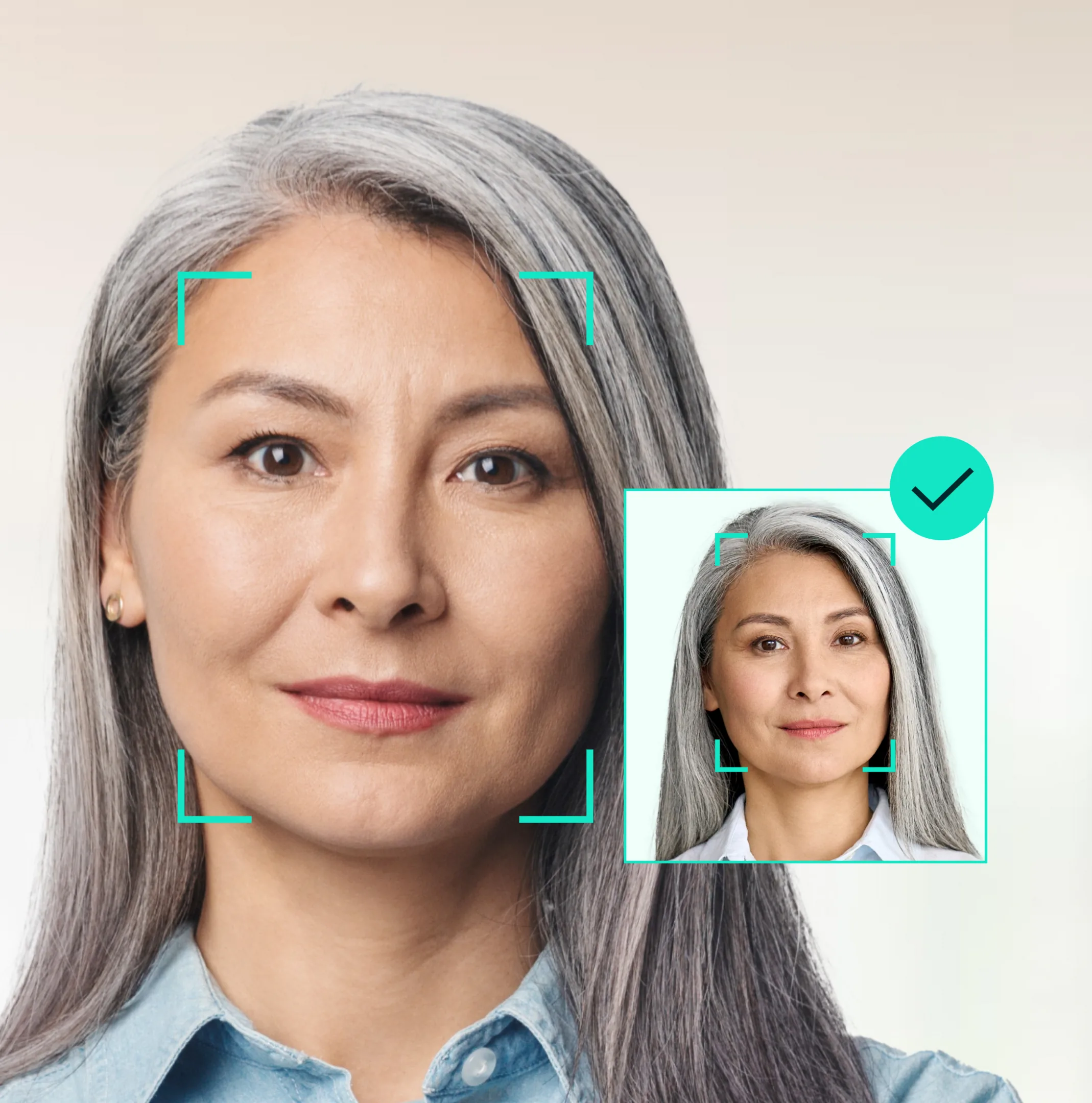
The benefits of modern facial biometric technology are clear to consumers around the world. Almost 70% of respondents agree that facial recognition software is both easier and safer than traditional approaches like passwords or knowledge-based questions.
The results are similarly convincing at the national level, with Brazil once again an outlier (with more than 80% agreeing).
And it’s a longstanding theme. In 2024, both our Fraud Index surveys found that 60-65% of respondents agreed with the statement. This demonstrates a growing need for online businesses to embrace biometrics and other forms of cutting-edge IDV, to boost security and to ensure customer satisfaction.
Do you feel facial recognition software provides easier and safer access to online accounts than passwords or knowledge-based questions (such as asking for the name of the school, mother’s maiden name, etc)?
% of people
Who is responsible for keeping children safe online? (answers ranked in order of most responsible)
Question 14
Perhaps unsurprisingly, respondents overwhelmingly view online safety for children as chiefly the responsibility of parents or guardians. At a global level, 67.4% of respondents placed this as their first choice.
However, there is also a heavy responsibility for the website, platform or app being used, which was selected as the number two choice by about half of respondents. It is notable that this placed it ahead of government or law enforcement, which came in third place – users expect online businesses to protect them from fraudsters, even ahead of the police.
This is a change from 2024: in our Fraud Index, the government ranked ahead of the website, platform or app being used.
“One thing is certain: consumer habits and expectations are changing and people are growing more demanding when it comes to online security from the services they use every day,” said Bondar.
Biometrics or IDV providers came in fourth, with almost half of respondents placing it in this position. Interestingly, it was in third position for Brazilian respondents, placing it ahead of government or law enforcement. With the survey highlighting a challenging online fraud environment in Brazil, it is noteworthy that these customers appear to recognize the growing role and importance of biometrics and IDV.
One thing is certain: consumer habits and expectations are changing and people are growing more demanding when it comes to online security from the services they use every day.”
Ira Bondar-Mucci, Fraud Platform Lead, Veriff
Who is responsible for keeping children safe online? (answers ranked in order of most responsible)
% of people
How comfortable are you using facial recognition technology to access accounts with online businesses?
Question 15
Consumers are increasingly comfortable with facial recognition technology when it comes to accessing their online services. This year’s survey found that a combined 73.6% are comfortable with the technology, a significant increase on 2024’s data, when the figure was 60.5%.
Significantly, more than half of respondents (51.35%) said they were either moderately comfortable or extremely comfortable. This clearly demonstrates a growing willingness to embrace the technology.
The results were similar across the nations. Again, there are signs that Brazilian consumers are particularly keen to embrace cutting-edge IDV technology, with almost 80% of consumers there expressing comfort with facial recognition tools.
“This growing acceptance of and comfort with facial biometric technology is really interesting. It shows that this technology has entered the mainstream and that one of the main hurdles to its adoption - that of consumer reluctance to engage with the technology - is rapidly disappearing.”
Ira Bondar-Mucci, Fraud Platform Lead, Veriff
How comfortable are you using facial recognition technology to access accounts with online businesses?
Amount in %
Want to see Veriff in action?
Try for free today.
Question 16
How comfortable, if at all, would you be using your identity document and a selfie to confirm your identity when signing up to an online service?
The trend is once again clear: consumers are increasingly willing to embrace cutting-edge security technology to stay safe online.
In our Fraud Index 2024, just over half (51.6%) of respondents said they would be comfortable using an ID document and a selfie to confirm their identity online. This had grown to 61.74% by our second 2024 survey.
Today, the figure stands at more than 75%. What’s more, over half of global respondents place their comfort at the highest levels (moderately or extremely comfortable).
The results were largely consistent across the three nations, underscoring the growing demand among consumers for companies to deliver cutting-edge security technology.
How comfortable, if at all, would you be using your identity document and a selfie to confirm your identity when signing up to an online service?
Amount in %
Extremely uncomfortable
Moderately uncomfortable
Somewhat uncomfortable
Somewhat comfortable
Moderately comfortable
Extremely comfortable
Question 17
Do you think financial services companies and ecommerce platforms are doing enough to protect their users from fraud?
We’ve already seen the importance that consumers place on fraud protection from financial services and ecommerce platforms. Unfortunately, many think these platforms just aren’t doing enough.
Overall, 42.55% of respondents say they don’t think the platforms are sufficiently securing users against fraud, slightly ahead of the 41.7% who are happy with the protection on offer. With 15.75% saying they don’t know either way, the results suggest that firms in these key elements of the digital economy have a lot of work to do.
There are noticeable differences across the nations. US and UK consumers seem to be particularly unhappy, with only about a third of users in each country saying they are happy with the security levels on offer.
Interestingly, Brazilian users are comparatively happy, with most consumers (55.71%) saying they think the platforms are doing enough to protect them from fraud. As we’ve seen, this year’s survey suggests that online fraud is a growing problem across Brazil, so it may be that firms there have already recognized the need to bolster security and are acting accordingly.
Do you think financial services companies and ecommerce platforms are doing enough to protect their users from fraud?
% of people
Are you more likely to trust someone on a dating app or social media platform if you know their identity has been verified by the platform?
Question 18
Consumers are increasingly aware of the threat of online fraud in social media and dating apps. They know the dangers of fraudsters deploying fake identities to commit financial crime – or worse.
Unsurprisingly, these users recognize the importance of robust verification. The vast majority of respondents (71.35%) said they would be more likely to trust someone on a dating app or social media platform if they knew that person’s identity had been verified by the platform.
This is particularly true in Brazil, where almost 80% of respondents agreed, compared with about 70% in the UK. While US consumers agreed, the proportion was somewhat lower, on 64.47%. This may reflect a higher level of caution in the world’s largest market and a need for companies to demonstrate their security levels to an even greater degree.
Increasingly, we are seeing users demand the higher level fraud protections, those historically associated with financial services, in all other online interactions. This reflects an increased understanding among consumers that trusted transactions are required across dating platforms, video gaming platforms, online communities, and social media sites - just as they are in the financial world.”
Ira Bondar-Mucci, Fraud Platform Lead, Veriff
Are you more likely to trust someone on a dating app or social media platform if you know their identity has been verified by the platform?
Amount in %
Yes
No
Not sure
Talk to one of our fraud experts today to discover how you can protect your business.
What the future holds
Part 3
How Veriff can help you fight the AI threat
Technology to identify manipulated images

Biometric analysis of photographs and videos
The ability to identify patterns across verifications and customers
Examination of key device attributes
Veriff’s software development kits are secure and robust by nature because we can control their interactions, making it difficult for fraudsters to digitally inject media into the stream. In effect, we build a hard wrapper around our system, ensuring that content that’s captured or uploaded is valid. We also offer a multi-dimensional approach to tackling the problems faced by financial services organizations:
Veriff’s platform is built on sophisticated models that constantly evolve, providing a multi-layered approach that combines threat-mitigation tools. We treat the absence of data as a risk factor itself and provide a robust and comprehensive check of identity documents."
Ira Bondar-Mucci, Fraud Platform Lead, Veriff
The fraud prevention ecosystem
Veriff is building the infrastructure for trust online. We are doing this by helping digital organizations to do the following three things:
Fight ever-more sophisticated fraud
Achieve growth on a global scale
To do these three things, businesses must ask three key questions of their customers:
Is this person real at the moment of signing up for an account?
Is this person trusted - are they a potential fraud risk or are they a high-value customer?
Is this still the same real and trusted person logging in throughout the lifetime of that account?
The customer identity solution built to answer the key questions facing businesses
Human thought behind the machine learning
Preparing you for the rise of deepfakes
Veriff uses machine learning to detect patterns or anomalies that identify fraud, including those created with deepfakes. This could involve detecting inconsistencies in facial features, skin texture, or lighting conditions. But even with advanced AI, some deepfakes might be sophisticated enough to fool automated systems. Having trained human professionals review flagged cases can provide an extra layer of security.
By combining these techniques with ongoing research and development, we aim to stay one step ahead of emerging fraud techniques and safeguard our systems and users against potential threats.
Veriff is uniquely placed because we have the ability to provide positive answers to the challenges facing global businesses
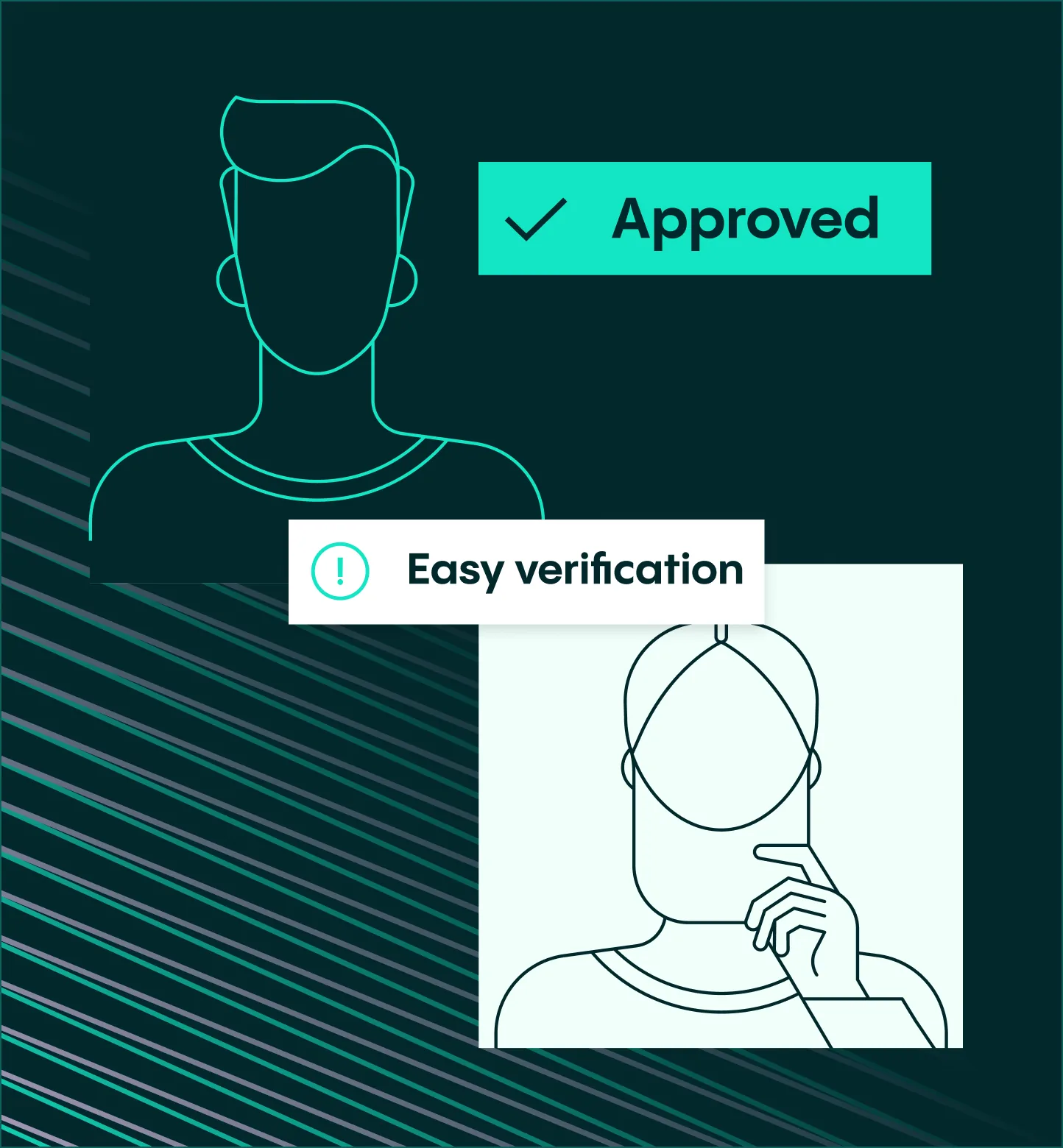
Our IDV solution verifies users at the point of sign-up to your systems, confirming they are genuine. Our cross-linking and risk scores create a powerful network effect from across our customer base that enables you to determine whether a customer is to be trusted. And our Biometric Authentication solution enables you to ensure the returning user is still the genuine owner of the account throughout that account’s lifespan.
We have been seeing deepfakes for a couple of years already in our customers’ sessions. With the recent generative AI boom, we can see more and more of these kinds of sessions coming in, where the images have been generated with AI. We take a multi-layered approach to combating deepfakes and AI-generated media.
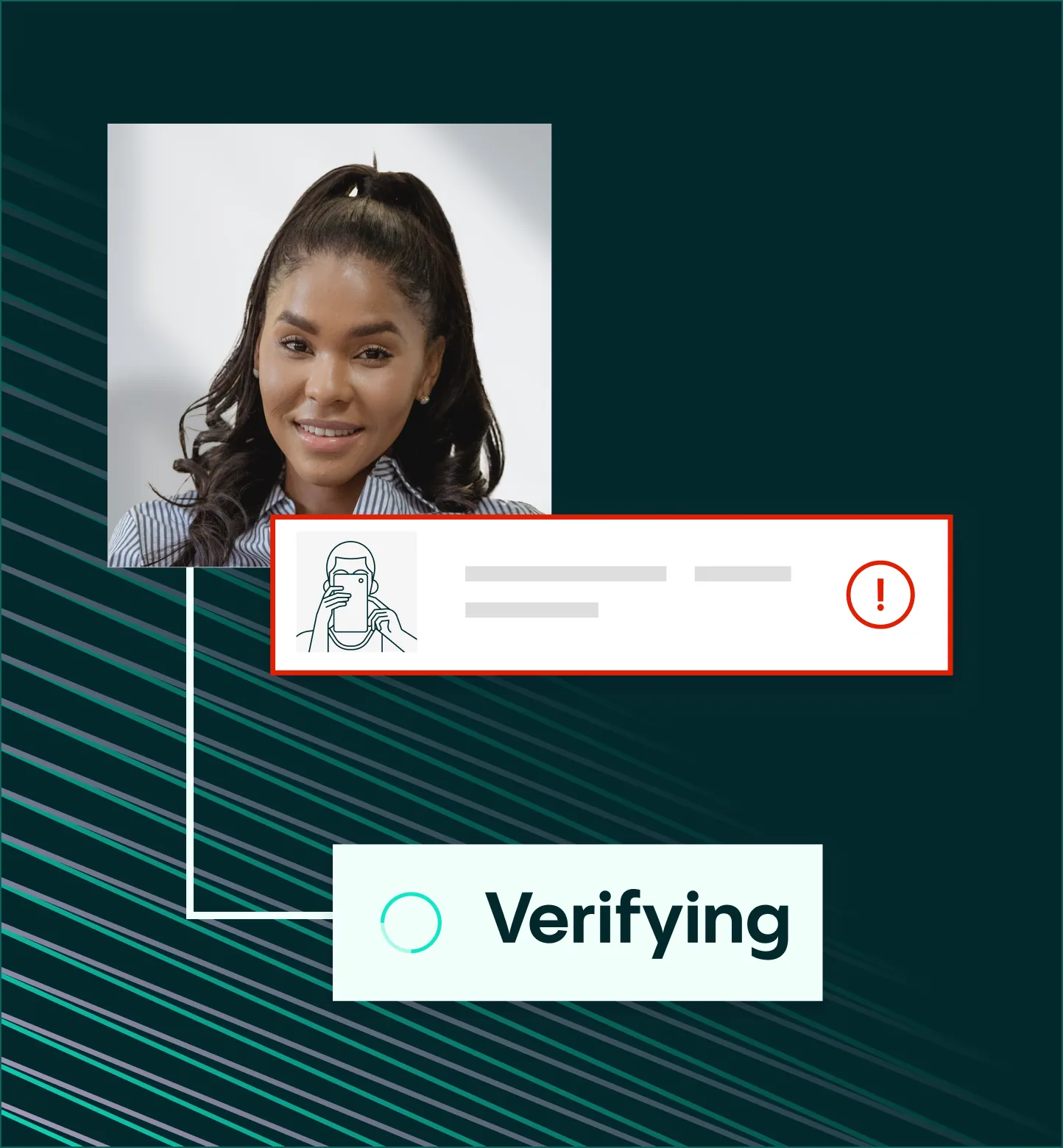
One key strategy is implementing face liveness checks to validate the authenticity of human presence. This involves using algorithms to detect subtle facial movements and responses, ensuring that the individual interacting with our systems is indeed real.
In addition, we employ a variety of checks to validate the legitimacy of documents. This includes leveraging machine learning algorithms to analyze document features and detect anomalies or signs of manipulation, as well as our proprietary document specimen database populated by document experts.
How we do it ⬇️
Our core Document and Identity Verification solution uses advanced AI and is supported by fraud mitigation tools. We deploy machine learning-powered checks, advanced fraud network mitigation strategies, and a team of in-house counter-fraud experts to help protect organizations.
Meanwhile, our Fraud Protect solution helps to identify patterns and deliver actionable insight built on industry expertise, enabling users to approve greater numbers of genuine users and eliminate more fraud. Its elements are:

Which searches for signs of physical or digital data or structural manipulation.
This prevents individuals suspected of fraud from attempting to access your business.
Offers biometric analysis of the user’s selfie image for signs of physical or digital manipulation.
Which collects and analyzes multiple signals from the user’s device and network to identify potential risk.
CrossLinks and RiskScore techniques are something we utilize across our portfolio to build a comprehensive picture of fraud-related danger, including the risks from deepfakes (see below for more detail).
Analyzing the biometric characteristics from a submitted selfie image to ensure that the subject is real and physically present during the verification, as well as checking for signs of manipulation.
DocCheck:
FaceBlock:
FaceCheck:
DeviceCheck:
CrossLinks and RiskScore:
FaceCheck Liveness:
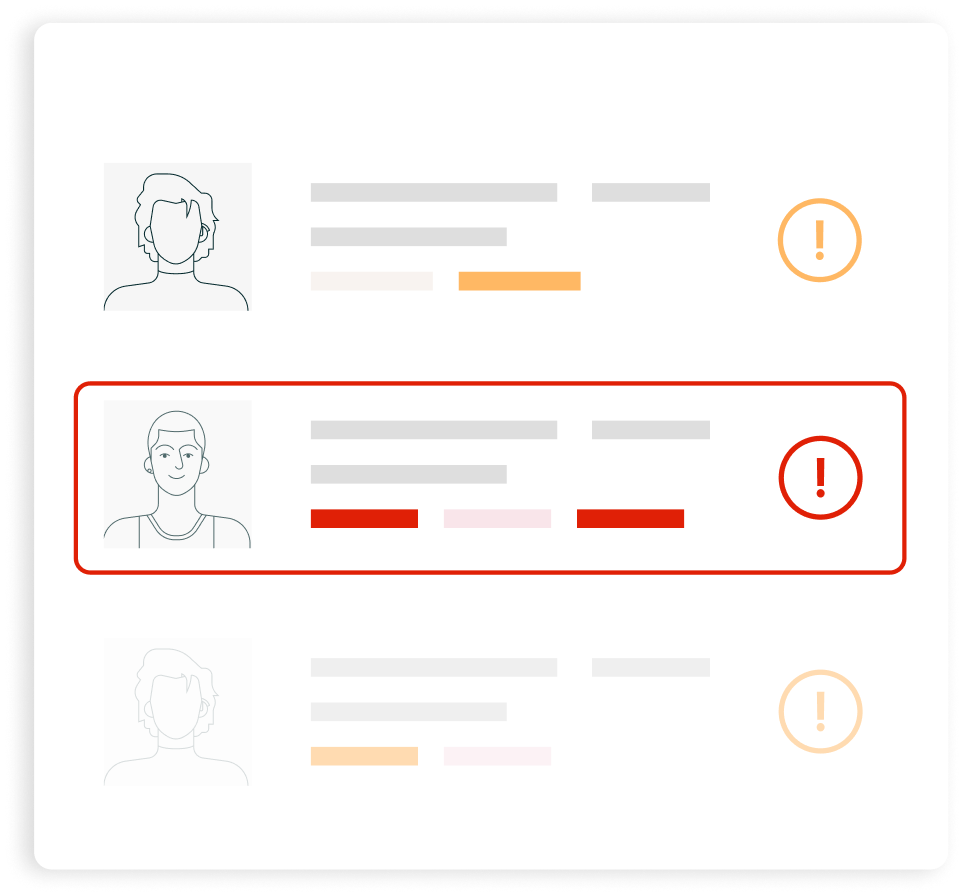

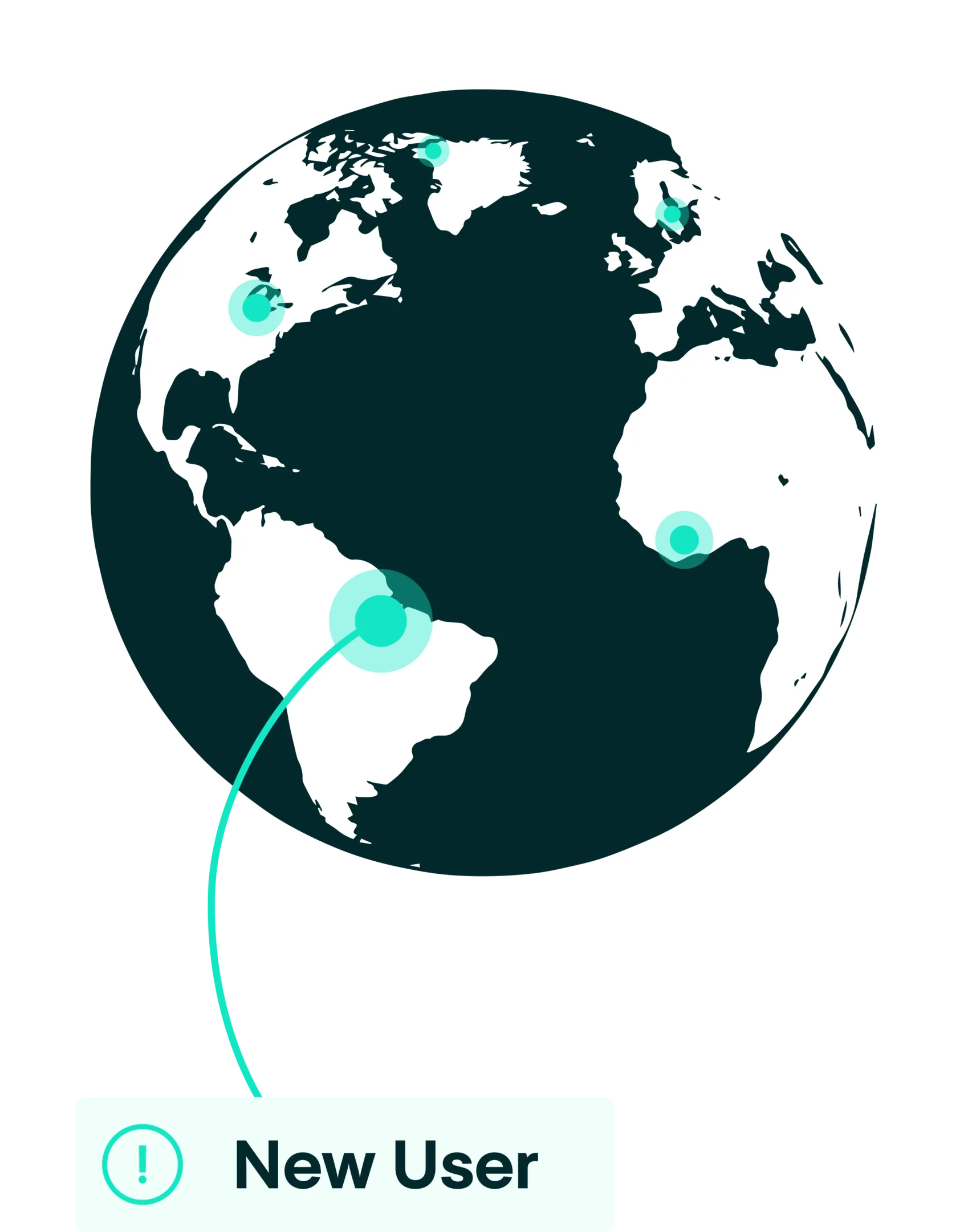
We have the ability to crosslink multiple pieces of information to derive new insights and fraudulent patterns that are not detectable when analyzing a single session in isolation - meaning we can group together verifications with similar data points, helping us to identify fraudsters who might use multiple fake identities on different occasions across our network.
This capability has deepened and expanded. We have long been capable of identifying a document that shows up on multiple occasions with the same customer, or the same biometrics, IP address, or device characteristics.
With Industry CrossLinks, we can look cross-customer, within the same industry vertical - for example, looking to see if the same fraudster has been working across our financial services customers - and the fact we work globally means we can spot evolving trends that a customer working on their own would never be aware of. All of this can happen without any personally identifiable information being shared across customers.
This is effective because fraudsters will always try to reuse their tools and tactics across multiple organizations. Even as they turn to machine learning, AI, and deepfakes, they will reuse credentials, templates, and faces. Our Industry CrossLinks capability stops them in their tracks.
CrossLinks in action:
learn more
We have plenty of resources available for you to learn more about fraud, and how to protect your business.
Visit our dedicated Fraud Education Center here

Learn more about the threat of AI and deepfakes here
Discover the cost of fraud with our interactive RoI calculator here
Explore our fraud-prevention solutions here

Veriff is a global identity platform helping businesses build trust online. Our AI-native technology combines automation and human expertise to quickly and accurately verify users worldwide with minimal friction.
Our trust infrastructure helps businesses stay compliant, prevent fraud, protect users, and scale globally, enabling a safer, more transparent internet for everyone.

Speak to one of our fraud experts today to discover how we can create customizable fraud protection for your business.