This will help you understand the value of investing in the right provider – and potential cost savings. If you need help calculating this - try Veriff’s RoI Calculator here
IDV Buyer's Guide
Everything you need to know to select the right identity verification platform for your business.






Contents
This IDV Buyer's Guide provides you with a step-by-step process to find the right customer identity verification (IDV) platform for your business. Let's get started.
Stage 1
Navigating a complex market
Not all IDV platforms are built equally: Understand the complex IDV market and how different providers meet different needs.
Stage 2
Zoning in on your specific needs
The questions you should ask yourself to help you identify exactly what you need from a verification partner.
Stage 3
Exploring providers’ credentials
The questions you should ask potential identity verification partners – to confirm their capabilities and credentials meet your needs.
Stage 4
Digging deep into the specifics
The questions you should ask to probe further into your potential provider’s more granular capabilities.
Stage 5
AI-powered identity verification – the Veriff difference
How you can build trusted user interactions, elevate user experience, fight fraud, and take your growth to the next level.
Stage 6
How and why you should test your solution
The only way to know if a solution works for you is to test it in your workflow. Veriff allows you to do that. Here’s how it works.
Stage 1: Navigating a complex market
Finding the right IDV solution for your business’s ever-evolving needs.
You’ll know that customer identity verification (IDV) is crucial for all businesses operating online and with remote customers today. The right platform can help you build trust with customers, while also helping prevent fraud and meet complex compliance demands, such as those around evolving anti-money laundering (AML) and know your customer (KYC) requirements.
But how do you find the perfect IDV provider for your company – one that will be able to meet your ever-evolving needs of tomorrow as well as your immediate needs of today?
In a complex and rapidly changing marketplace, it is important to select the right solution for you. This guide will help you understand how to evaluate your specific IDV needs and grasp the nuances between IDV providers.
Navigating a complex market
Why IDV matters
Of course, the basics are important – and the right IDV solution will always deliver on those.
At the most basic level, any IDV solution will ensure customers are who they say they are – and play a crucial role in foreseeing and preventing fraud, ensuring compliance with regulations, and supporting AML efforts.
These concerns will differ depending on the size of your company and the industry you work in, of course, but the right IDV solution will help you optimize and tailor your service for your customer base, with all that means for customer loyality and the future growth of your company.
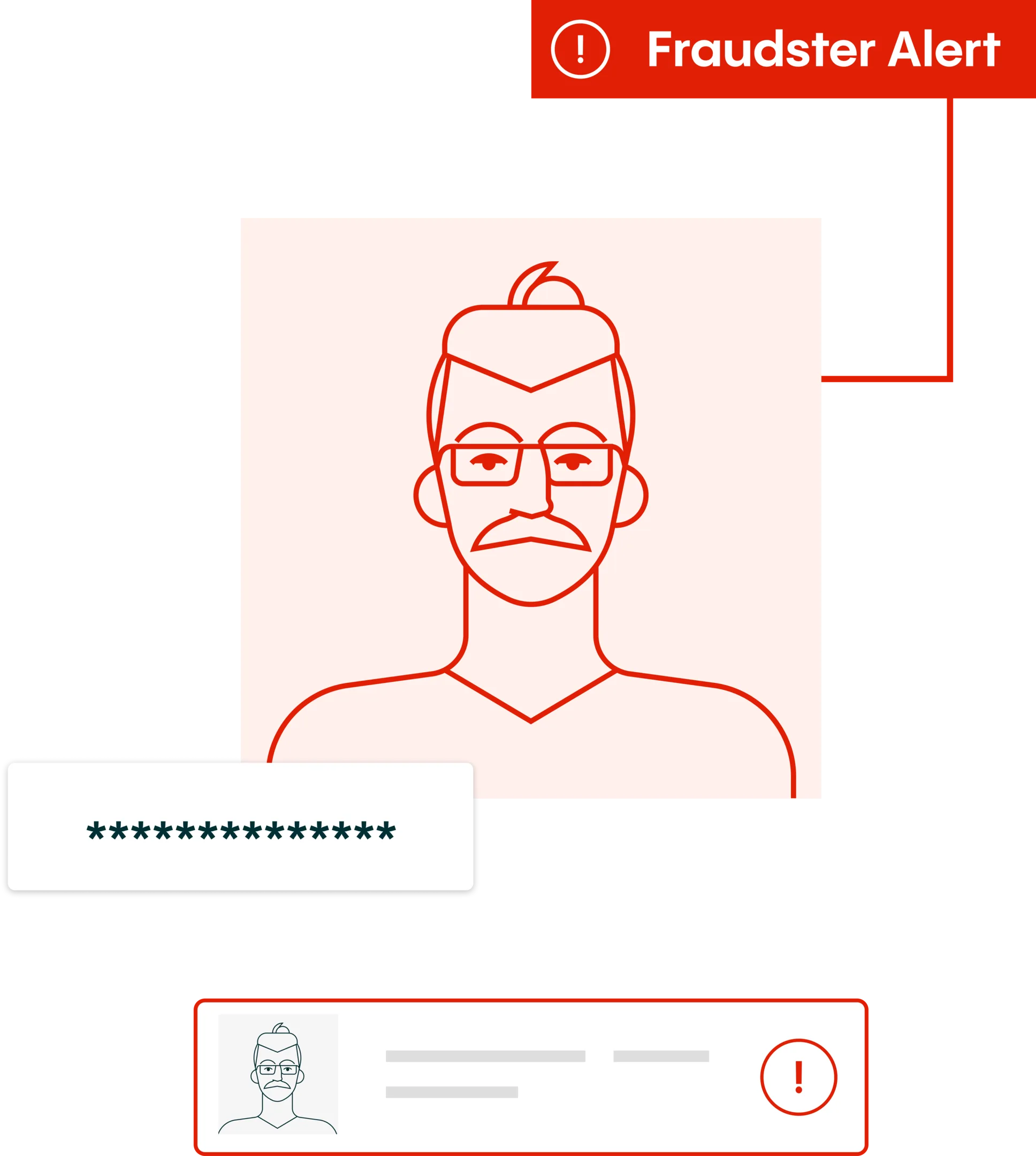
According to the Veriff’s Identity Fraud Report 2025, global fraud increased by more than 20% year-on-year. And, while global fraud is on the rise, the risk changes across different industries and categories.
In financial services, there was growth in fraudulent transactions across the board, but some industries were hit worse than others. For example, payments saw a massive 54% increase in fraudulent activity, while e-commerce saw a 40% increase.
That’s why selecting a provider that meets your specific needs is vital.
Navigating a complex market
Frictionless Fraud Prevention
But picking the right IDV provider is complex, with different companies offering different things.
There are many different types of IDV providers, offering different levels of service from their solutions at wildly varying costs.
The key before choosing is to first establish what’s important for your company, then ask if each IDV provider truly meets those aims.
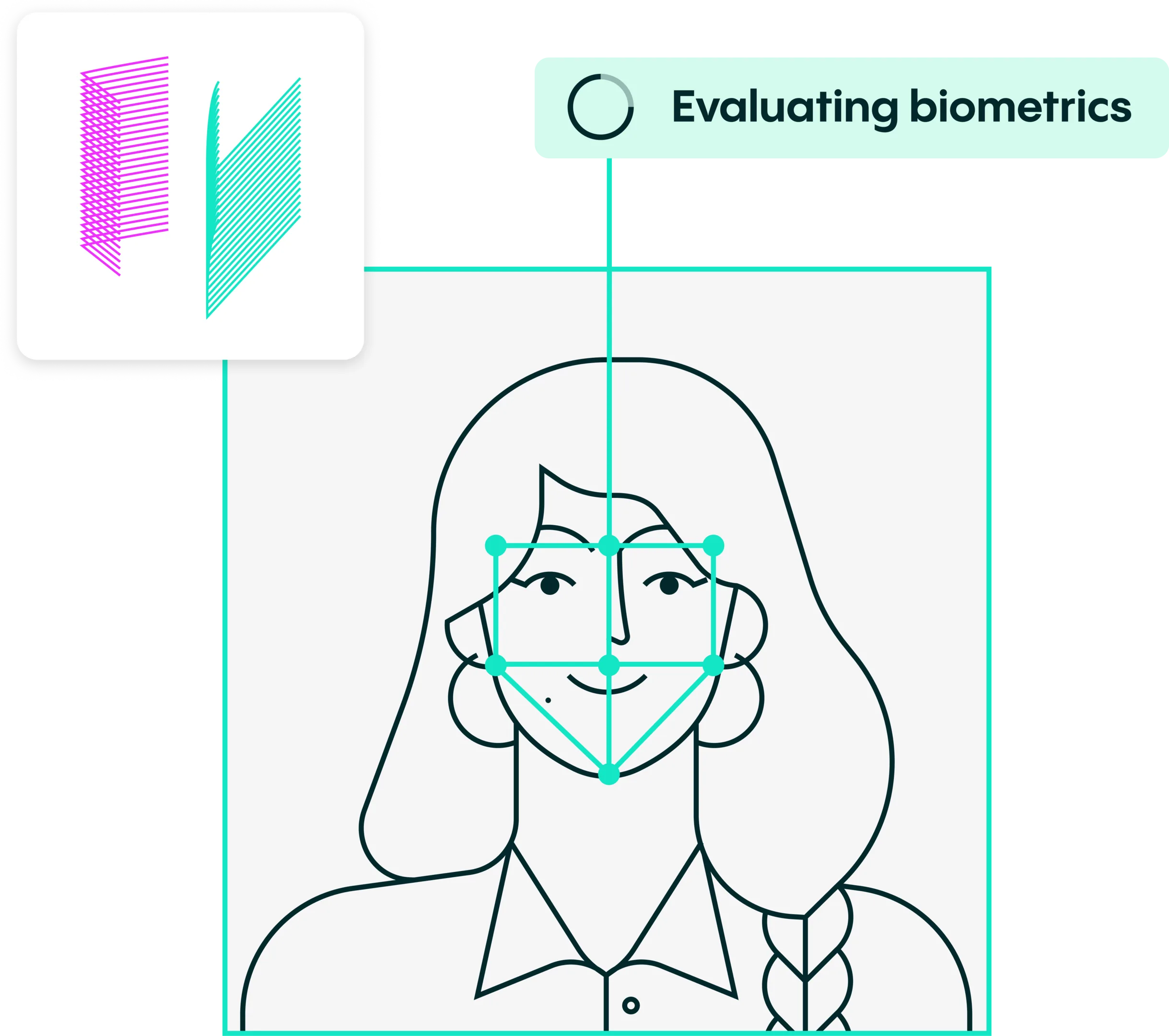
The right platform will provide your company with a smooth verification flow, gathering data for analysis during verification sessions in a way that is easy and unobtrusive for customers.
It will offer the best verification engine, analysing the data that the customers provide. And it will provide a platform that lets you view and manage verifications as they occur. Such offerings are good for business – and good for your brand.
So where do you go from here?
Navigating a complex market
Case study: Tuum
If your business is looking to scale while ensuring compliance, fraud prevention and AML, Veriff’s solution could be key.
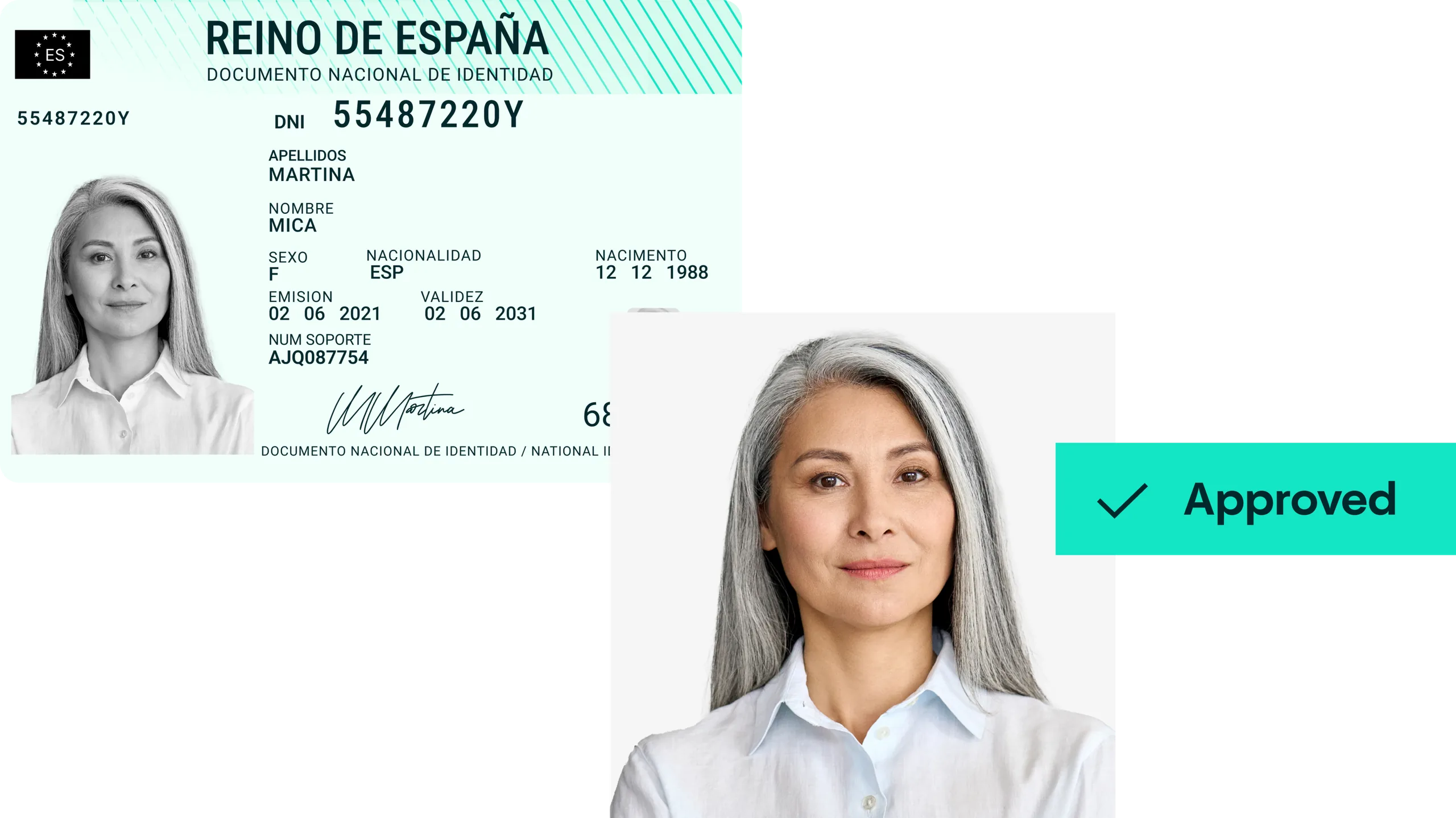

Tuum is a cloud-agnostic, API-first banking platform, featuring complete retail and business banking capabilities. Its services provide businesses with an agile and efficient alternative to traditional banking technologies, transforming how they develop and roll out new financial products.
The company has added Veriff’s compliance and KYC offering to its products as a plug-and play-solution, enabling customers to simplify their KYC and compliance adherence, combined with industry-leading fraud prevention technology.
We can now automate identity verification and KYC processes, leading to a simplified sign-up procedure for our new customers, as well as an improvement in financial crime detection rates.
"
Rivo uibo, chief business officer and co-founder
Click here to talk to one of our IDV experts or scroll to learn more about finding the right solution for your needs.
Stage 2: Zoning in on your specific needs
Ask yourself the following questions – so you can identify exactly what you need from a verification partner
In order to find an IDV provider that meets your specific needs and risks, ask yourself the following questions – so you can enter into conversations equipped with the right information and a clear picture of your requirements.
What is your current fraud rate with your current IDV partner?
This will give you a sense of whether a new provider can handle your volume of checks and the breadth of fraud risks you face.
What types of fraud are you seeing most?
Over half of all fraud we are seeing at present is identity fraud. This includes impersonation and document fraud, and fraud powered by artificial intelligence and deepfakes. But this will differ depending what industry and geographic regions you cover. For example, chargeback fraud is particularly prevalent in ecommerce and online marketplaces, but account takeover fraud is more common in financial services verticals. By knowing what your fraud risk is, you will better be able to define what solution will work best for you.
Zoning in on your specific needs
How prepared are you to fight AI and deepfake fraud?
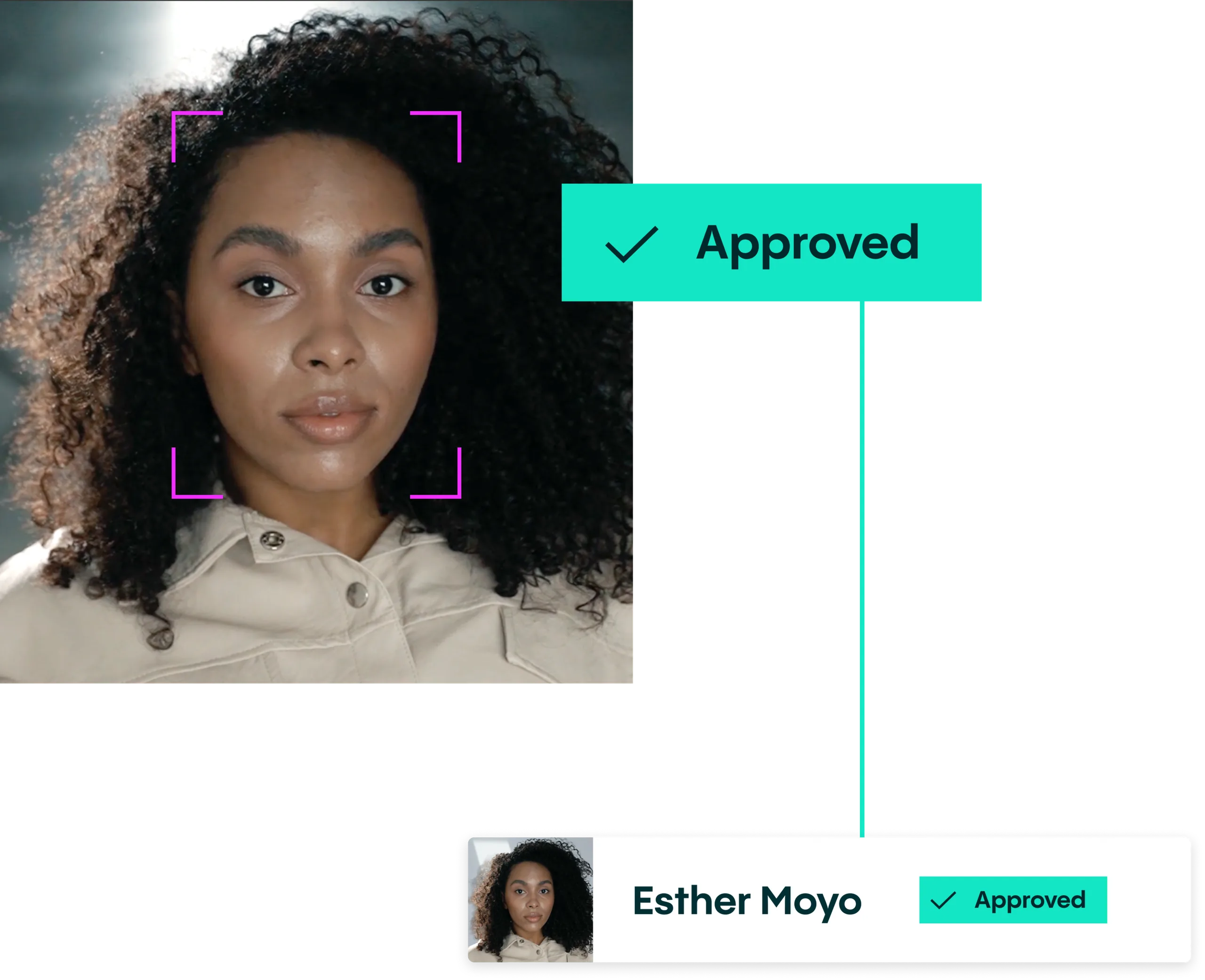
At Veriff, we have been seeing deepfakes in our traffic for some years now. And, with the recent boom in generative AI, we expect to see more and more instances of images being generated using AI. With this type of complex fraud increasing, we are also conscious of the need to continually improve our own systems. For example, we assess images’ liveness to make sure they are genuine – and leverage other technical data points, such as metadata and device information from the session to capture and assess any apparent anomalies.
We also deploy a combination of techniques to combat fraud in general, including deepfakes.

Liveness detection: This technology verifies that a real person is presenting the ID, rather than a picture or video.
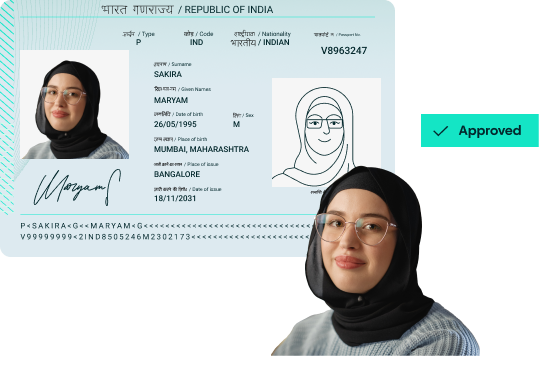
Document verification: This checks the authenticity of the ID itself, looking for inconsistencies or signs of tampering.
Advanced AI: We use machine learning to detect patterns or anomalies that indicate fraud, including those created with deepfakes. This could involve detecting inconsistencies in facial features, skin texture, or lighting conditions.
Human review: Even with advanced AI, some deepfakes may be sophisticated enough to fool automated systems. Having trained professionals review flagged cases provides an added layer of security.
Click here to talk to one of our IDV experts or scroll down to learn more about the IDV buying process
We believe better intelligence equals better fraud mitigation. Veriff Fraud Intelligence is a powerful package of fraud mitigation features and risk insights that enhances your ability to mitigate threats with enriched insights and a consolidated RiskScore to enable more effective investigation and decision-making.
It analyzes risk signals during the identity verification process to detect fraud while surfacing actionable risk-related intelligence and insights. This intelligence and a consolidated RiskScore are available in Veriff Station or via API to your in-house systems, enhancing your investigations and informing your decisions.
It analyzes risk signals during the identity verification process to detect fraud while surfacing actionable risk-related intelligence and insights. This intelligence and a consolidated RiskScore are available in Veriff Station or via API to your in-house systems, enhancing your investigations and informing your decisions.
The type of solution needed can vary widely from organization to organization – depending on a range of factors, including the sector you operate in, the type of transactions you conduct and the volume of customers you have. So finding a partner that can tailor a solution to your specific needs is important. And, in this fast-changing world, where fraud trends and risks are evolving rapidly, it is also important to find a partner that can flex their offering in response to changing trends and patterns.
We verify documents by checking if all the data is in the right format and following the right logic: does the data look visually correct, with the right colors, elements, shape and font? We also check the document correctness against other verifications we have seen before: is the face/name unique, and has anything similar come in before?
Again, we deploy a combination of techniques:
Liveness detection: This technology verifies that a real person is presenting the ID, rather than a picture or video.
Document verification: This checks the authenticity of the ID itself, looking for inconsistencies or signs of tampering.
Advanced AI: We use machine learning to detect patterns or anomalies that indicate fraud, including those created with deepfakes. This could involve detecting inconsistencies in facial features, skin texture, or lighting conditions.
Human review: Even with advanced AI, some deepfakes may be sophisticated enough to fool automated systems. Having trained professionals review flagged cases provides an added layer of security.
Liveness detection: This technology verifies that a real person is presenting the ID, rather than a picture or video.
Document verification: This checks the authenticity of the ID itself, looking for inconsistencies or signs of tampering.
Advanced AI: We use machine learning to detect patterns or anomalies that indicate fraud, including those created with deepfakes. This could involve detecting inconsistencies in facial features, skin texture, or lighting conditions.
Human review: Even with advanced AI, some deepfakes may be sophisticated enough to fool automated systems. Having trained professionals review flagged cases provides an added layer of security.
We check for velocity/abuse to ensure that no end-user abuses a service via multi-accounting. Information is checked through crosslinks and we can automatically discard users if they, their document, or their device has been approved before.
The key elements to stopping repeat offenders are device and network fingerprinting and crosslinking. Crosslinking allows us to group together sessions that share similar data points and analyze them together instead of viewing them as standalone attempts. For example, sessions submitted by the same person, on the same network, with the same device and/or using the same document.
We also use both manual and machine learning driven processes to continuously monitor incoming traffic for anomalies. This way we can identify clusters of traffic that are indicative of identity farming or other organized fraud attempts.
But most importantly, we understand that fraud by nature is never static, and neither can the techniques and innovation that goes toward detecting it, which prompts us to do continuous research on emerging fraud trends working along with our internal teams as well as our clients to track, identify and stop various fraud patterns.
We also use both manual and machine learning driven processes to continuously monitor incoming traffic for anomalies. This way we can identify clusters of traffic that are indicative of identity farming or other organized fraud attempts.
But most importantly, we understand that fraud by nature is never static, and neither can the techniques and innovation that goes toward detecting it, which prompts us to do continuous research on emerging fraud trends working along with our internal teams as well as our clients to track, identify and stop various fraud patterns.
Once your customer has created their account, you can secure it with the help of our biometric authentication solution.
This solution uses powerful automation to verify customers and ensures your business is no longer reliant on passwords and one-time passcodes, which can be intercepted by fraudsters.
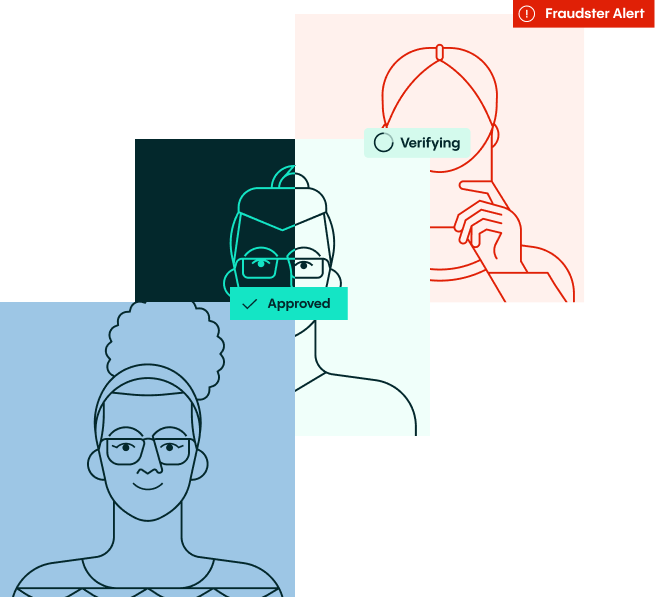
Instead, it confirms that a returning user is exactly who they’re claiming to be with the use of a selfie, which is compared to a previously verified face and identity. It is checked for liveness and realness.
The solution provides an authentication decision in only one second, is 99.99% accurate, and authenticates 99% of users on their first try.
By replacing passwords with biometric authentication processes, you can stop hackers from stealing customer information and ensure that even if a customer’s information is stolen, a fraudster cannot access their account.
This solution uses powerful automation to verify customers and ensures your business is no longer reliant on passwords and one-time passcodes, which can be intercepted by fraudsters.
Instead, it confirms that a returning user is exactly who they’re claiming to be with the use of a selfie, which is compared to a previously verified face and identity. It is checked for liveness and realness.
The solution provides an authentication decision in only one second, is 99.99% accurate, and authenticates 99% of users on their first try.
By replacing passwords with biometric authentication processes, you can stop hackers from stealing customer information and ensure that even if a customer’s information is stolen, a fraudster cannot access their account.
How Veriff’s identity verification works
European mobile money app Monese provides a mobile alternative to banks, enabling users to quickly and easily open an account.
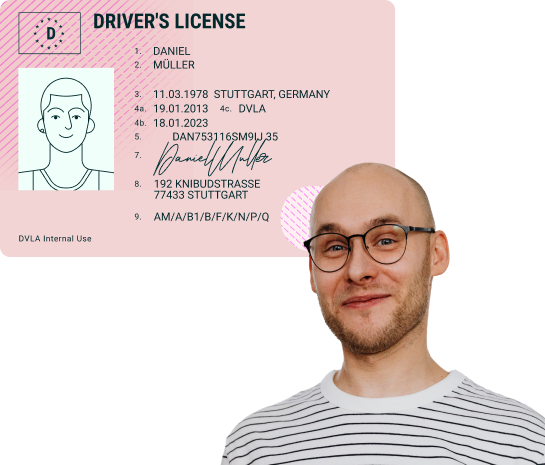

Through its partnership with Veriff, Monese can now seamlessly onboard and authenticate its users’ identities.
This has three major benefits: it helps the company meet KYC demands, increases the speed and accuracy of user screening, and prevents identity fraud. The partnership underscores the central benefit of IDV: providing a secure service, while reducing friction for the consumer.
At Monese, we help people build sustained financial resilience, by providing access to fair, flexible financial services and support.
Working in partnership with Veriff, we are unlocking new possibilities in delivering a safe and efficient onboarding experience that will help us reach more customers.
"
Atul Choudrie, Chief Commercial Officer at Monese
Stage 3: Exploring providers’ credentials
Ask the following questions of potential partners – to confirm their capabilities and credentials meet your needs
It’s vital that your IDV provider empowers you to make decisions as quickly as possible when it comes to verifying the identity of a potential customer.
Slow decision-making can lead to potential customers dropping out of the onboarding process and taking their business elsewhere. Of course, it’s also important to combine speed with accuracy and security.
Slow decision-making can lead to potential customers dropping out of the onboarding process and taking their business elsewhere. Of course, it’s also important to combine speed with accuracy and security.
If honest users can’t access your systems because they’re the victim of a false positive – that’s bad for the UX and bad for your business.
It’s vital that your provider combines the highest level of security with the best usability to make the process as seamless as possible.
It’s vital that your provider combines the highest level of security with the best usability to make the process as seamless as possible.
Different IDV providers rely on differing levels of automated technology to deliver their services. The use of the best AI-powered technology can dramatically boost the speed of your service, ensuring customers are verified quickly, painlessly and securely. Our platform, for instance, uses AI to ensure a check automation rate of more than 98%, which gets genuine customers through the system in about 6 seconds.
However, Veriff also has the option of adding manual verification teams to support the process – adding another layer of protection against bad actors and also ensuring more legitimate users are passed through.
However, Veriff also has the option of adding manual verification teams to support the process – adding another layer of protection against bad actors and also ensuring more legitimate users are passed through.
Depending on your industry, it will be vital to support customer ID and other documents across a range of categories, from social security numbers (SSNs) to driving licences and passports.
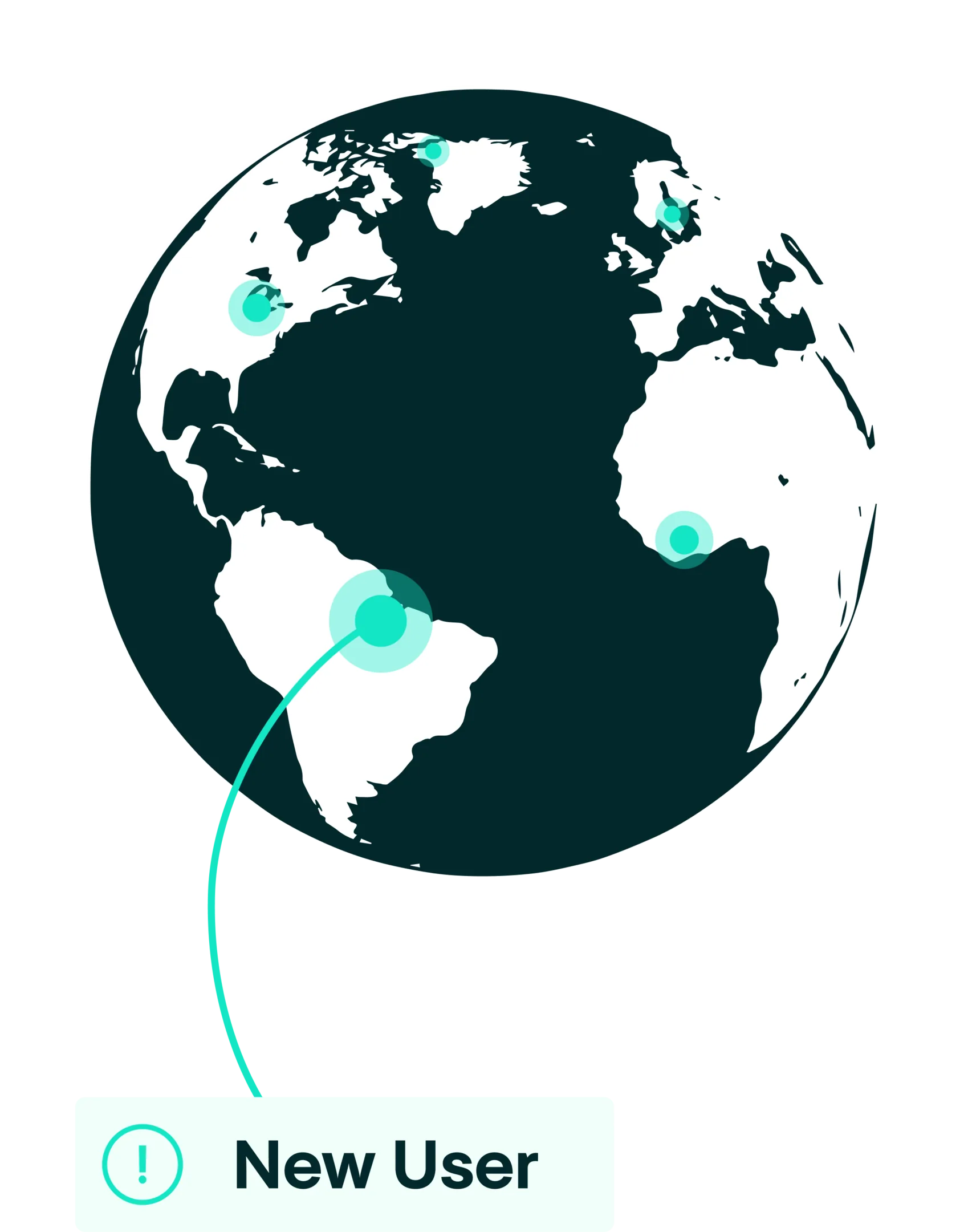
For instance, Veriff covers more than 12,000 different types of government-issued IDs across over 240 issuing nations and territories. This is important if your business plans to expand into new territories - because going into new markets requires being able to process new identification documents.
For instance, Veriff covers more than 12,000 different types of government-issued IDs across over 240 issuing nations and territories. This is important if your business plans to expand into new territories - because going into new markets requires being able to process new identification documents.
Each sector, from gaming to finance, will have its own regulations and requirements for onboarding customers and identity verification. Similarly, rules will change across geographies; fast-growing markets in Asia and Africa, for instance, will have different demands and expectations than their counterparts in Europe and North America.
Regulations are applied to regulated industries at a jurisdiction level. These change or evolve regularly and businesses who operate in more than one jurisdiction need to be aware and ensure they remain compliant. Be sure you pick a provider with the broadest possible reach and expertise in these regions.
Regulations are applied to regulated industries at a jurisdiction level. These change or evolve regularly and businesses who operate in more than one jurisdiction need to be aware and ensure they remain compliant. Be sure you pick a provider with the broadest possible reach and expertise in these regions.
As your business grows, it will be vital to verify customers in different countries with many different languages. A common mistake is offering too few language options, which means users can’t engage with the IDV process, even if they want to. This has been a key focus for Veriff’s IDV tools, which now cover more than 48 languages and dialects.
Because the fraud landscape is ever-changing there is no one way to ensure complete fraud prevention. The best you can do is adopt a holistic approach. Being robust in your fraud mitigation will offer your business the best form of protection, while at the same time making your customers feel safe and secure.
It is essential that providers implement the most complete fraud prevention solutions, such as AI-powered solutions like Veriff's, which offer a blend of convenience and security.
It is essential that providers implement the most complete fraud prevention solutions, such as AI-powered solutions like Veriff's, which offer a blend of convenience and security.
Partnering with an IDV provider is going to come with a financial cost, but it is important to measure that cost against the benefits it will bring. There are various points to consider here: how the right IDV solution could save you from the financial and reputational losses if your business was the victim of fraud, how that IDV solution can ensure you are compliant with regulations and can protect you from being fined for non-compliance, and how the cost of an IDV partner compares in cost to hiring, training, and maintaining an in-house team and the tools they need.
However, the main factor to consider is how the right IDV solution can ensure you onboard more genuine customers more quickly - meaning the cost of the IDV solution can be offset against the business growth achieved by acquiring more customers.
However, the main factor to consider is how the right IDV solution can ensure you onboard more genuine customers more quickly - meaning the cost of the IDV solution can be offset against the business growth achieved by acquiring more customers.
Case study: Nala
There are a range of rapidly growing markets around the world that hold appeal for companies in different sectors.
Africa is a prime example. By using the best IDV tools, companies can turbo-charge their growth in emerging markets.
For example, Veriff has partnered with Y Combinator-backed start-up NALA Money, which operates a personal finance app in Tanzania and has expanded to provide services to the African diaspora around the world. NALA CEO Benjamin Fernandes explained the benefits of an IDV tool:
Over 70% of remittances sent to Africa are still sent in cash, but over 85% of financial institutions now have a digital presence. We want to tackle the pain points which limit access to digital finance tools for the African community in the UK.
This is especially important as society shifts to operating ‘digital first’ with more online transactions taking place than ever before. It’s exciting and reassuring to see the proactive steps Veriff is taking to build a more inclusive verification process.
"
"
Stage 4: Digging deep into the specifics
Use these questions to probe further into your potential provider’s more granular capabilities
It’s essential your IDV provider can verify documents from a range of official databases from around the globe. In the US market, this often focuses on Social Security Numbers (SSNs), which must be verified. This should be done in a convenient, quick, and secure way, meaning automation should play a big role.
Veriff’s SSN Verification solution provides a simple process for users, meaning they simply input either their full SSN or the last four digits, their full name, and either their date of birth or their address.
Veriff’s SSN Verification solution provides a simple process for users, meaning they simply input either their full SSN or the last four digits, their full name, and either their date of birth or their address.
Automated ID checks can rapidly speed up the IDV process. However, there may be certain businesses or use cases where it’s preferable to back up automated IDV with manual checks.
A manual process supports maximum conversions as the users' asserted document can be verified quickly. Any fields that are hard to extract through automation – for example, those that are due to poor data quality – can be managed by a manual process rather than making the user repeat the whole verification process (and potentially still not be verified at the end).
Also, when moving into new markets where there are new ID documents, any solution has to train its automation models, and a manual process can expedite this stage. Be sure to ask RFP respondents to clearly outline the services they can provide.
A manual process supports maximum conversions as the users' asserted document can be verified quickly. Any fields that are hard to extract through automation – for example, those that are due to poor data quality – can be managed by a manual process rather than making the user repeat the whole verification process (and potentially still not be verified at the end).
Also, when moving into new markets where there are new ID documents, any solution has to train its automation models, and a manual process can expedite this stage. Be sure to ask RFP respondents to clearly outline the services they can provide.
Age verification is a vital tool for businesses in any sector that requires users to comply with legal requirements (for example, marketplaces selling age-restricted goods or gaming sites that have an age requirement). It is important to ask your IDV partner if they offer a standalone age verification service. You can try Veriff’s age estimation demo here for free.
There are many reasons to turn to an external provider, from cutting costs to avoiding the challenges associated with processing thousands of different types of IDs, each of them unique.
On top of this, specialized solutions are usually far quicker than the in-house process, which often relies on manually checking IDs. In-house solutions also distract from core business through constantly maintaining the evolving requirements of a document library, the issue of building and training effective models when you only have a limited data set (which can quickly introduce bias), and finding and retaining talent to run and maintain systems.
However, using an external provider also costs money, so make sure you’re getting value by ensuring prospective providers can do more than you can in-house, in a secure manner – and at a reasonable cost.
On top of this, specialized solutions are usually far quicker than the in-house process, which often relies on manually checking IDs. In-house solutions also distract from core business through constantly maintaining the evolving requirements of a document library, the issue of building and training effective models when you only have a limited data set (which can quickly introduce bias), and finding and retaining talent to run and maintain systems.
However, using an external provider also costs money, so make sure you’re getting value by ensuring prospective providers can do more than you can in-house, in a secure manner – and at a reasonable cost.
While ensuring security and compliance are paramount in the IDV process, you know your business depends on your customers to truly thrive.
It’s essential to manage user access and ensure the safety of your business, all without hurting customer retention.
Tools like biometric authentication and an easy-to-use menu and process – for example, through built-in fraud detection and automated user enrolment – optimize the process for customers while at the same time keeping your organization safe and secure. Ask prospective providers what they offer in areas like automated document detection, automated country detection and live guidance to ensure you continue to offer your customers the best of both worlds.
It’s essential to manage user access and ensure the safety of your business, all without hurting customer retention.
Tools like biometric authentication and an easy-to-use menu and process – for example, through built-in fraud detection and automated user enrolment – optimize the process for customers while at the same time keeping your organization safe and secure. Ask prospective providers what they offer in areas like automated document detection, automated country detection and live guidance to ensure you continue to offer your customers the best of both worlds.
The vast majority of growing businesses today will work across different countries and regions with varying language demands, including Latin characters, Cyrillic, Arabic, Chinese and beyond.
IDV language tools should be available in the most common operating systems – such as Android and iOS SDK – as well as in web verification flows.
IDV language tools should be available in the most common operating systems – such as Android and iOS SDK – as well as in web verification flows.
It’s vital that you work with companies that not only claim to work to the highest levels, but have the certifications to prove it – such as ISO 27001, the internationally recognized security standard from the International Organization for Standardization.
Knowing how quickly you can get your new systems up and running is a crucial part of the picture. The speed with which you can do so will depend largely on your business’s individual circumstances, but Veriff has an average implementation time of 4-6 weeks. However, some implementations have been completed in less than 48 hours.
Case study: HeyTrade
It’s important to combine UX with the highest levels of security. This challenge was the focus for HeyTrade when it partnered with Veriff.


HeyTrade aims to facilitate investing for all traders through eliminating high fees, complex paperwork and limited market access. The mobile, next-gen investment platform needed face and document recognition technology; it partnered with Veriff to deliver these services.
With Veriff’s technology, the company’s clients can validate their identity just by taking a photograph of their government-issued ID and a selfie; the tool checks that the ID is genuine and matches it to the user’s face. All of this means it takes less seconds to create an account and begin trading, combining UX with the highest levels of IDV security.
Veriff's high quality identity verification solution enables us to fulfil our ambitious growth and scale plans quickly by automating much of our KYC and AML procedures. Their solution has been incredibly easy to integrate into our existing tech stack.
"
Benito Méndez, CTO, HeyTrade
Click here to talk to one of our IDV experts or scroll down to learn more about the IDV buying process
Stage 5: The Veriff difference
IDENTITY VERIFICATION
Identity & Document Verification
Proof of Address
Database Verification Checks
Age Validation
KNOW YOUR CUSTOMER
KYC Onboarding
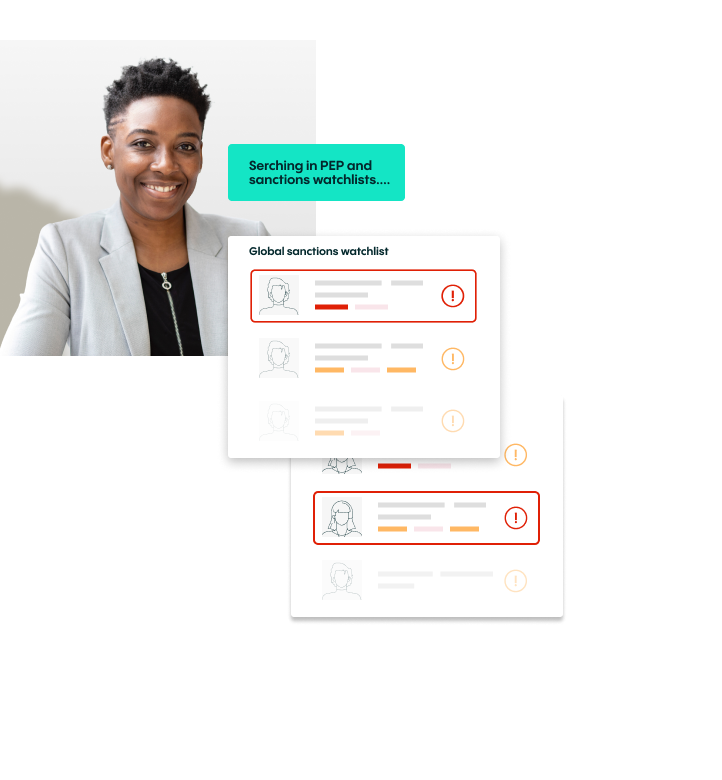
AML Screening
FRAUD MITIGATION
Fraud Protect
Fraud Intelligence
BIOMETRIC VERIFICATION
Biometric Authentication
Age Estimation
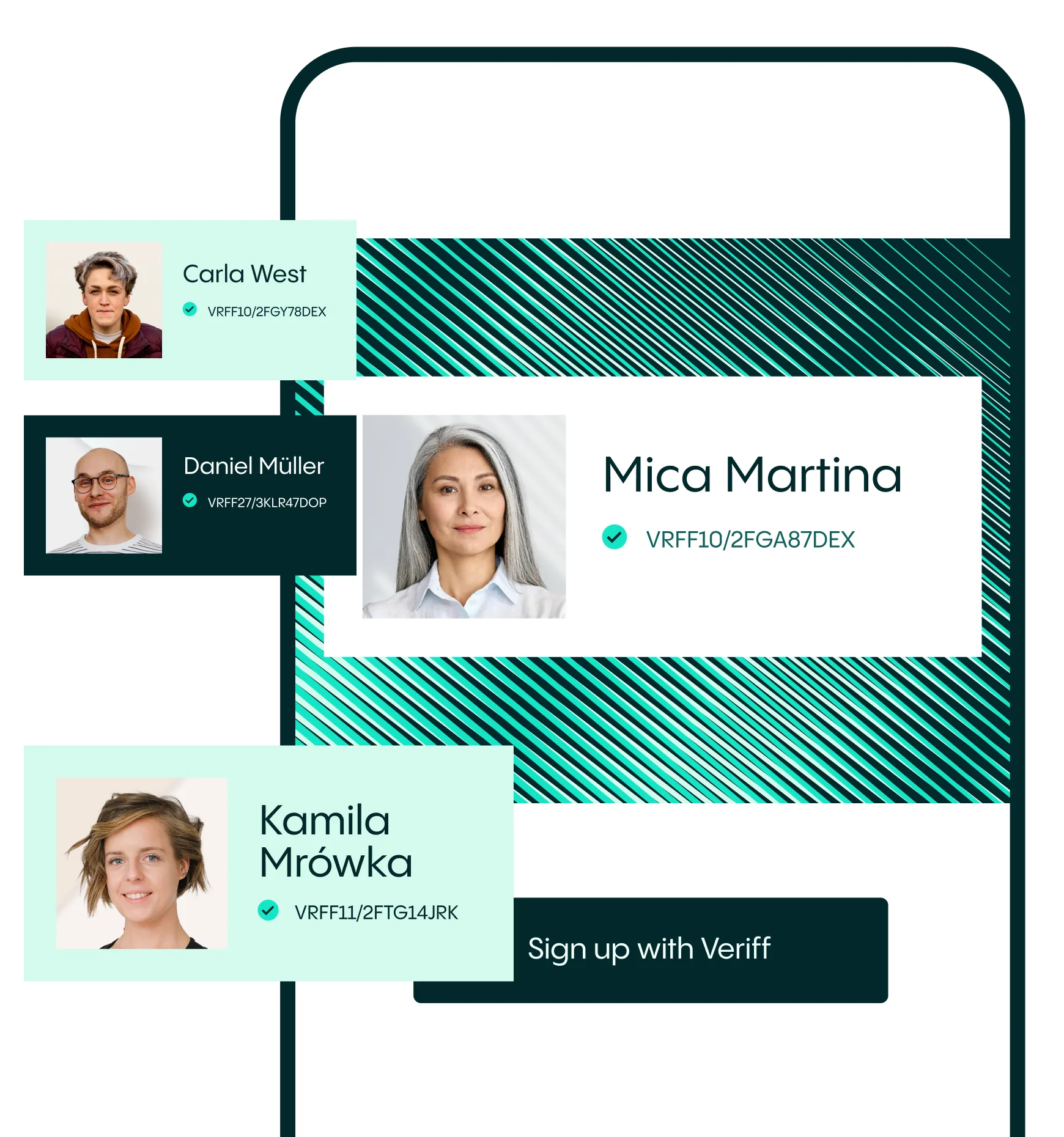
Verify individuals in seconds, no matter where in the world they are
Build trusted communities, elevate user experience, and let Veriff take your growth to the next level. Empower your business with the ultimate platform for fraud prevention, compliance, and managing the moments that matter with your customers - from onboarding through to retention.
Rapidly verify new users
With an average time per verification of 6 seconds, Veriff delivers a smooth and speedy identity verification process.
Conduct database verification checks
Validate a user's identity against trusted government sources such as SSN in the USA, UKDIATF in the UK, and INE/CURP in Mexico.
Maintain regulatory compliance
Robust know-your-customer and anti-money laundering screening checks enable regulatory compliance without impacting the user experience.
Improve conversion rates
An intuitive and simple minimal-click process with real-time visual cues and local language guidance minimizes the risk of abandonment and optimizes conversion.
Mitigate fraud risk
Fraud mitigation is an integral part of our Identity Verification solutions. Our innovative technology analyzes multiple data points to highlight risks.
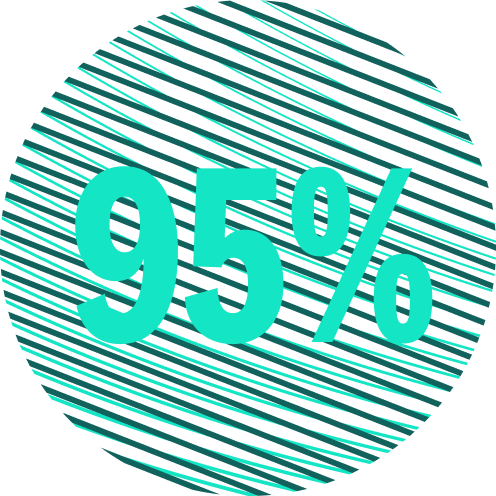
Get instant verification
Documents covered
Verified on the first try
Languages supported



Stage 6: How and why you should test your solution
Identity verification vendors all look the same until you put traffic through them and testing is the only way to see the real gaps.
Every vendor claims accuracy, speed, breadth of coverage, AI performance, superior fraud detection, and all of the slides, demos, and marketing materials will over-index on the positives without showing true performance differences.
The reality is that testing is the only way to understand whether a solution will synchronize with your existing processes and provide you with the results you expect. Veriff’s implementation teams report that there can be a 5-20% swing across all key KPIs and these numbers only surface themselves in a true testing environment.
For example, different vendors perform well on different document types, on documents from different countries or geographic regions, and in cases where the verification user is in a non-optimal environment (such as when there are lighting issues, glare, a damaged document, or low-end devices with limited camera capability). Testing also surfaces those edge cases that drive most of the headaches post-integration.
And let’s face it, the cost of making the wrong choice with this decision can be catastrophic.
How and why you should test your solution
The danger of choosing the wrong vendor
Lower conversion
Direct revenue loss.
False declines
Abandonment + customer churn.
More fraud
Real financial exposure.
Operational overhead
Manual review teams ramping unnecessarily.
Reputational risk
Compliance + brand risk if decisions aren’t defensible.
Cost
How much will it be to switch vendors?
And there is the issue of the growing sophistication and ever-evolving nature of the current fraud risk.
The truth is that all vendors will claim to stop fraud, but do they? Testing is the only way to find out. Fraud evolves faster than most vendors and fraud rings move between weak vendors - if you don’t test, you inherit the vendor’s blind spots. Testing also shows whether a vendor can adapt in real time or if they rely on static logic.
User experience is another thing to test. Workflow design impacts conversion more than people expect and UI/UX, retry logic, fallback steps, and resubmissions vary meaningfully by vendor. Demos do not show how real users behave in your actual flow, only testing does.
All of this boils down to the fact that testing is the only way to prove return on investment from one vendor to another. It is the only way to validate conversion and fraud detection rates, speed of decision-making, ease of use, and, biggest of all, cost.
Side-by-side tests give you a data-backed answer, not a theoretical one, and in a crowded market testing becomes the differentiator. At Veriff, we believe that buyers can’t rely on claims or feature lists - it is through testing that they de-risk the process of selecting a vendor and we stand by our product performance.
How and why you should test your solution
About Veriff
Veriff is a global identity platform helping businesses build trust online. Our AI-native technology combines automation and human expertise to quickly and accurately verify users worldwide with minimal friction.
Our trust infrastructure helps businesses stay compliant, prevent fraud, protect users, and scale globally, enabling a safer, more transparent internet for everyone.