The future of the gig economy
How gig economy organizations can prepare for the challenges ahead








The gig economy is rapidly expanding around the world, deploying flexible working models to tap demand in everything from fast food to freelance jobs. Unfortunately, fraudsters also see the potential.
Some of the best-known and fastest-growing business names today are found in the gig economy. These platforms enjoy phenomenal success because they connect individuals providing services directly to consumers or businesses, typically on a flexible, short-term or task-specific basis.
It’s a complex area, but we break it down into two broad categories:
- Mobility & Delivery Platforms: Platforms facilitating the transportation of people or goods, such as ride-sharing services, food delivery, package delivery, and micro-mobility. Examples include Uber, Bolt, Starship and DoorDash.
- On-Demand & Freelance Service Platforms: Marketplaces connecting individuals with a broad range of personal, professional, or home-based services, typically provided on-demand, by task, or by project. Examples include Fiverr, Upwork, Rover and Thumbtack.
These platforms are easily accessible and highly flexible, providing significant opportunities to consumers and businesses around the world. Sadly, these same factors make the gig economy an obvious target for identity fraud: for example, the threat that someone could sign up as a delivery driver with a false ID, or the danger that a bad actor could pose as a consumer to commit financial fraud like money laundering.
Identity verification (IDV) is therefore essential to protect both customers and businesses. But it isn’t easy. The challenge lies in balancing rapid provider and user growth and trust with escalating fraud and varying verification needs — all while safeguarding both service providers and consumers.
Introduction
Ira Bondar-Mucci, Senior Fraud Group Manager, Veriff

In this report, we collate and analyze our extensive research into gig economy fraud. The three key resources in focus are the Veriff Identity Fraud Report, an analysis of our in-house data from the frontline of fighting fraud; our Fraud Industry Pulse Survey, based on responses from hundreds of fraud professionals and decision-makers from around the world; and our Fraud Index, which surveyed thousands of consumers across the US, Europe and Latin America.
All of this research combines to give us a very clear picture on how gig economy organizations should approach the challenges of the coming years. And these challenges largely boil down to answering three questions about both their customers and employees:


Is your customer/employee real?
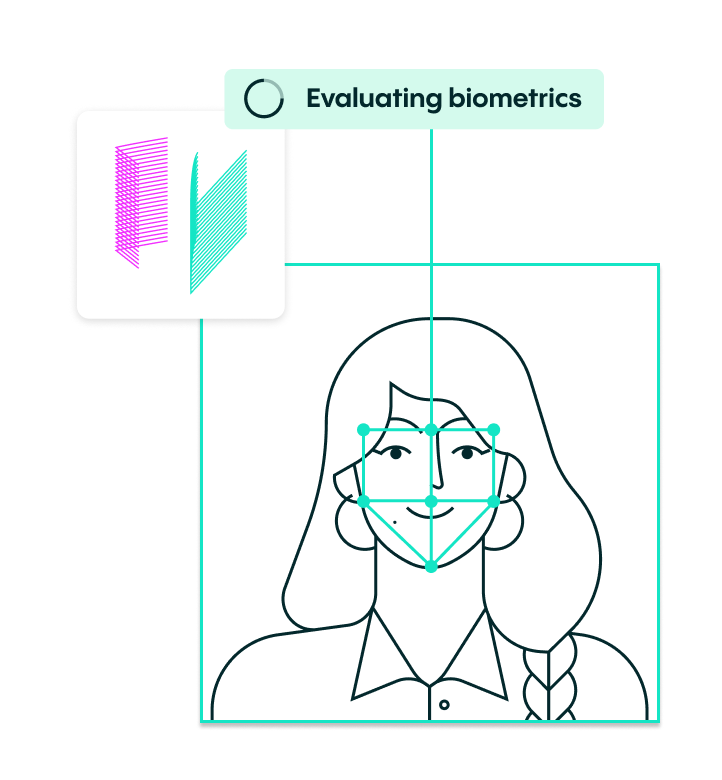
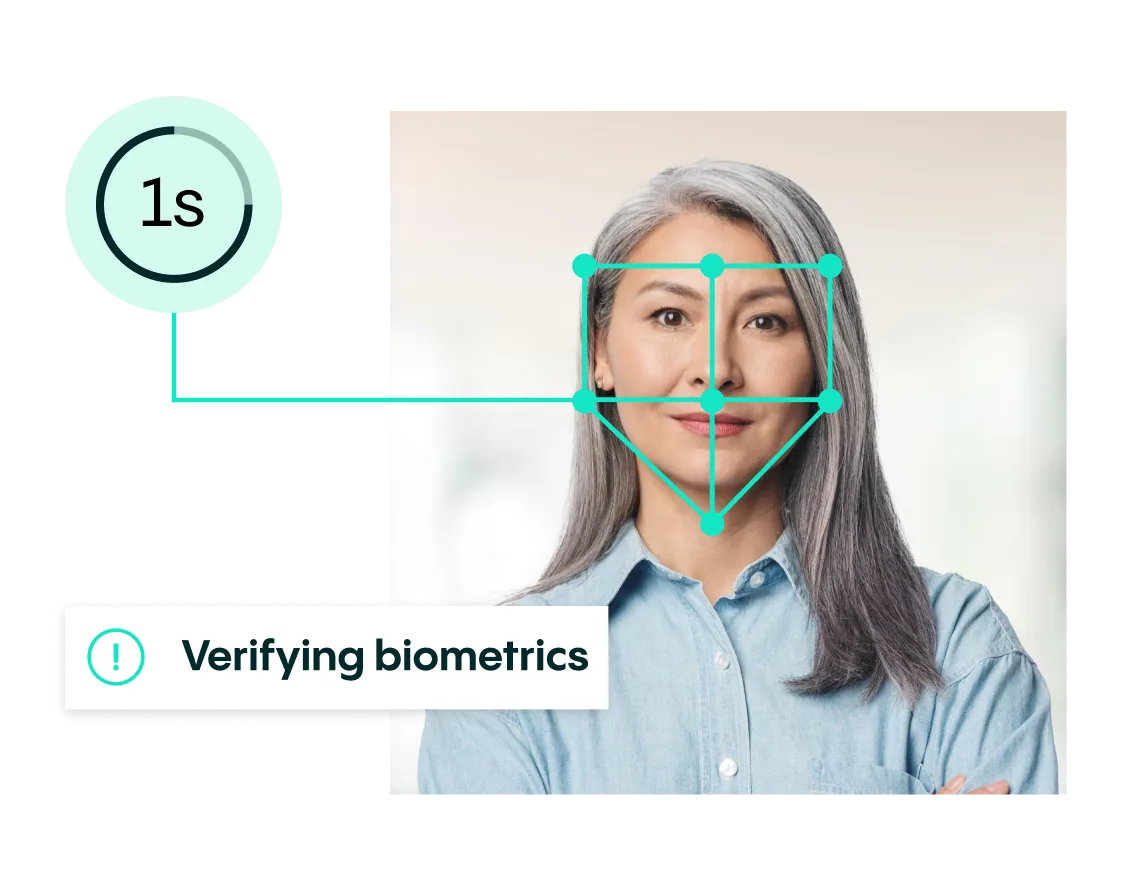
Through a photo of their government-issue ID and a simple selfie, Veriff can tell immediately if something is wrong with an image or video. We can detect liveness and realness without asking users to move unnaturally or follow complex instructions – in other words, we can ensure they really exist and that they are who they claim to be.

Is this customer/employee of value to you or a potential cost?
We can determine at the onboarding stage if the person is a potential customer or employee of value – or if they simply cannot be trusted. With our cross-linking capabilities, we take huge amounts of data and search for patterns, helping us identify potential fraudsters who target certain industries. Of course, if they’re a legitimate customer or employee, the process is smooth and safe, building security – and your company’s reputation.

Is the answer to those questions still the same on an ongoing basis?
Can you ensure that users of your platform are who they say they are every time they engage with your platform? Reauthentication of customers and employees is absolutely critical. With biometric authentication, users are promptly and securely authenticated across all stages of their user journey. We know they are who they say they are because we can quickly check the information already on file.
The gig economy provides significant benefits for consumers, workers and businesses. With robust, AI-based IDV, we can protect all the advantages of the business model, while ensuring the security of all involved.
While the threats are very real, technology can address the danger – and lay the foundations for renewed success.
Key takeaways
Part 1
Fraud is on the rise in the gig economy

Unfortunately, the danger from fraudsters seems to only be going up. We found a 21% rise in fraud between our 2024 and 2025 fraud reports.
What’s more, the report showed that no fewer than 1 in 20 verification attempts in 2024 were fraudulent. That is: someone pretending to be someone else.
And there’s a real financial impact. For more than a third of US respondents (35%) in our Fraud Index 2024, there was at least some financial loss to fraud, with 13% of fraud decision-makers globally reporting that fraud cost their organization up to 20% of their revenue a year. This ‘fraud tax’ that gig economy organizations are paying is unsustainable and needs to be addressed quickly, as it is only going to get worse.
Unique dangers for gig economy organizations
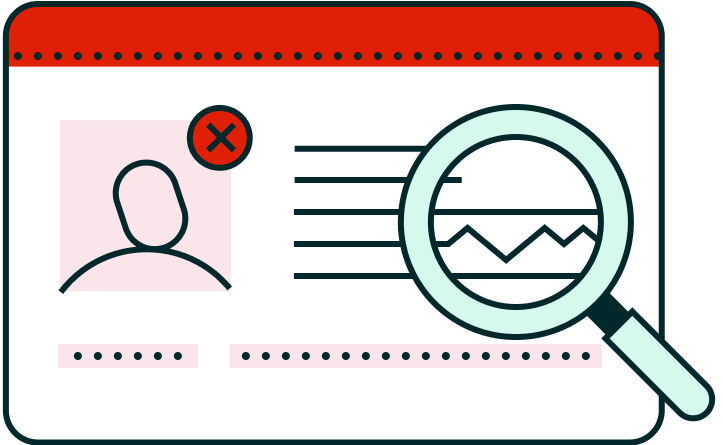
Impersonation fraud is a particular worry in this sector: according to Veriff’s analysis of in-house data in our Fraud Report 2025, impersonation fraud represented over 90% of the fraud recorded in the mobility and transportation vertical, which includes major gig economy players like ride-hailing apps. That compares to a level of 82% for impersonation fraud in recorded fraud as a whole.
Legal concerns

Governments around the world are concerned about identity fraud in the gig economy, placing huge importance on IDV – in fact, it’s never been more important. For instance, the UK government announced that companies hiring people in the gig economy would now be legally required to carry out checks confirming that workers are eligible to work in the UK.
The importance of AI

Almost two-thirds of US respondents (64%) to the Veriff Industry Pulse Survey are already using AI/machine learning in fraud prevention.
The IDV advantage
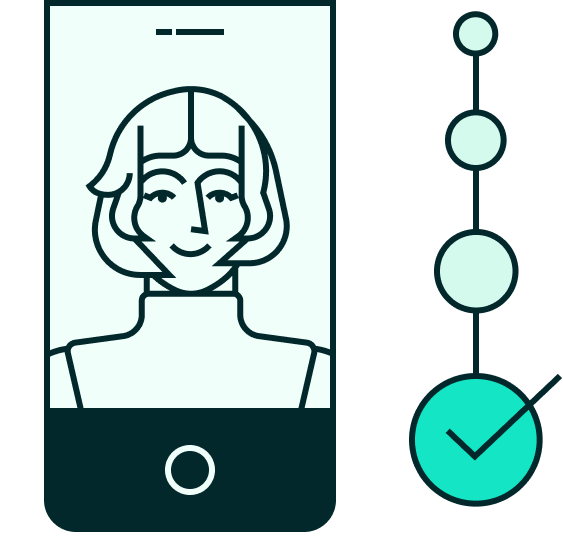
The vast majority of respondents (83%) in this year’s Veriff Fraud Industry Pulse Survey say they have already adopted some version of IDV software and/or biometrics technology into their processes.
The survey showed that 81% of respondents plan to boost their dependence on IDV and biometrics in the coming years. These forward-thinkers also reported that utilizing this technology had led to a major decrease in fraud rates.
The fraud threat for the gig economy
Part 2
Fraud is on the rise
The fraud threat is growing all the time, posing particular dangers in the gig economy vertical.
In our latest Fraud Report, we analyzed global customer data from throughout 2024, including data related to our gig economy customers. The main story is sadly familiar: online fraud is on the rise.
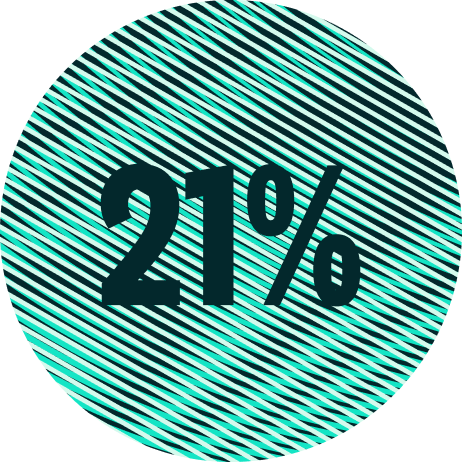
The increase in year-on-year online fraud since our 2024 report, a clear indication of the growing threat.
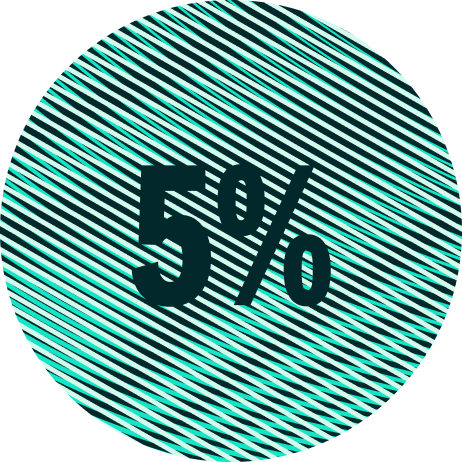
The percentage of all verification attempts in 2024 that we found to be fraudulent. This means that no fewer than 1 in 20 verification attempts involved someone pretending to be someone else.
The same old story
We’ve seen this theme again and again. In our 2024 Fraud Index, for instance, we surveyed end users on their experiences of online fraud, including US and UK consumers of gig economy services. Two stats stood out:
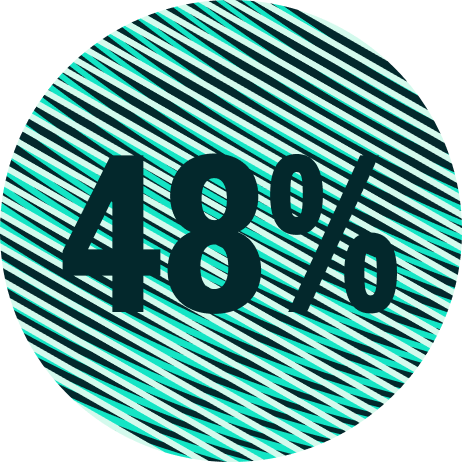
Respondents who had experienced online fraud in the preceding 12 months.
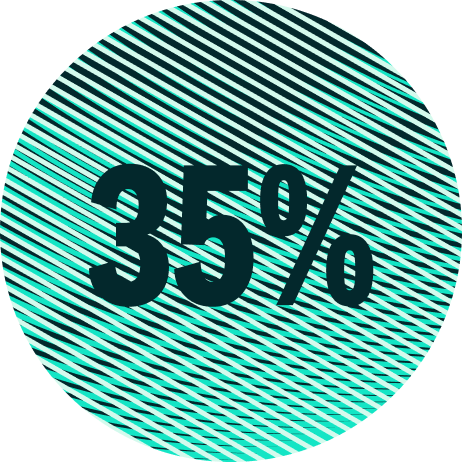
US consumers who experienced at least some financial loss from fraud, with 1% losing more than $1,000. And it’s not limited to the US – a quarter of UK respondents suffered at least some loss.
The growing danger was also highlighted in our Fraud Industry Pulse Report 2025, where we surveyed 200 fraud professionals and decision-makers in a range of sectors, including gig economy leaders. Most of our respondents (72%) said they had seen an increase in online fraud in the past 12 months, with a similar proportion (75.5%) saying fraud has hurt their revenue.
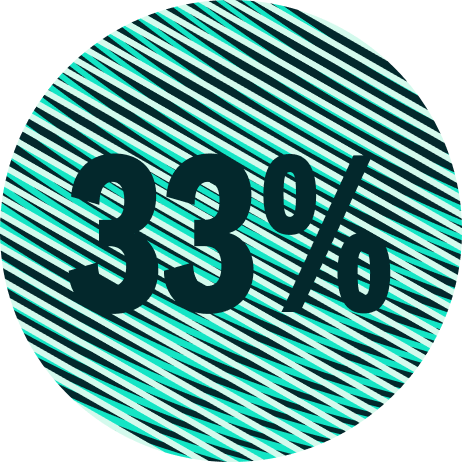
A third (32%) have suffered a 3-5% reduction – for a business with revenue of $1 million, that could mean a loss of $50k per year, just to fraudsters.
As companies in the gig economy expand their businesses, it’s clear how losing even a small percentage of their revenues to fraudsters could have a serious impact.
Ira Bondar-Mucci, Senior Fraud Group Manager, Veriff


Gig economy organizations face particular dangers
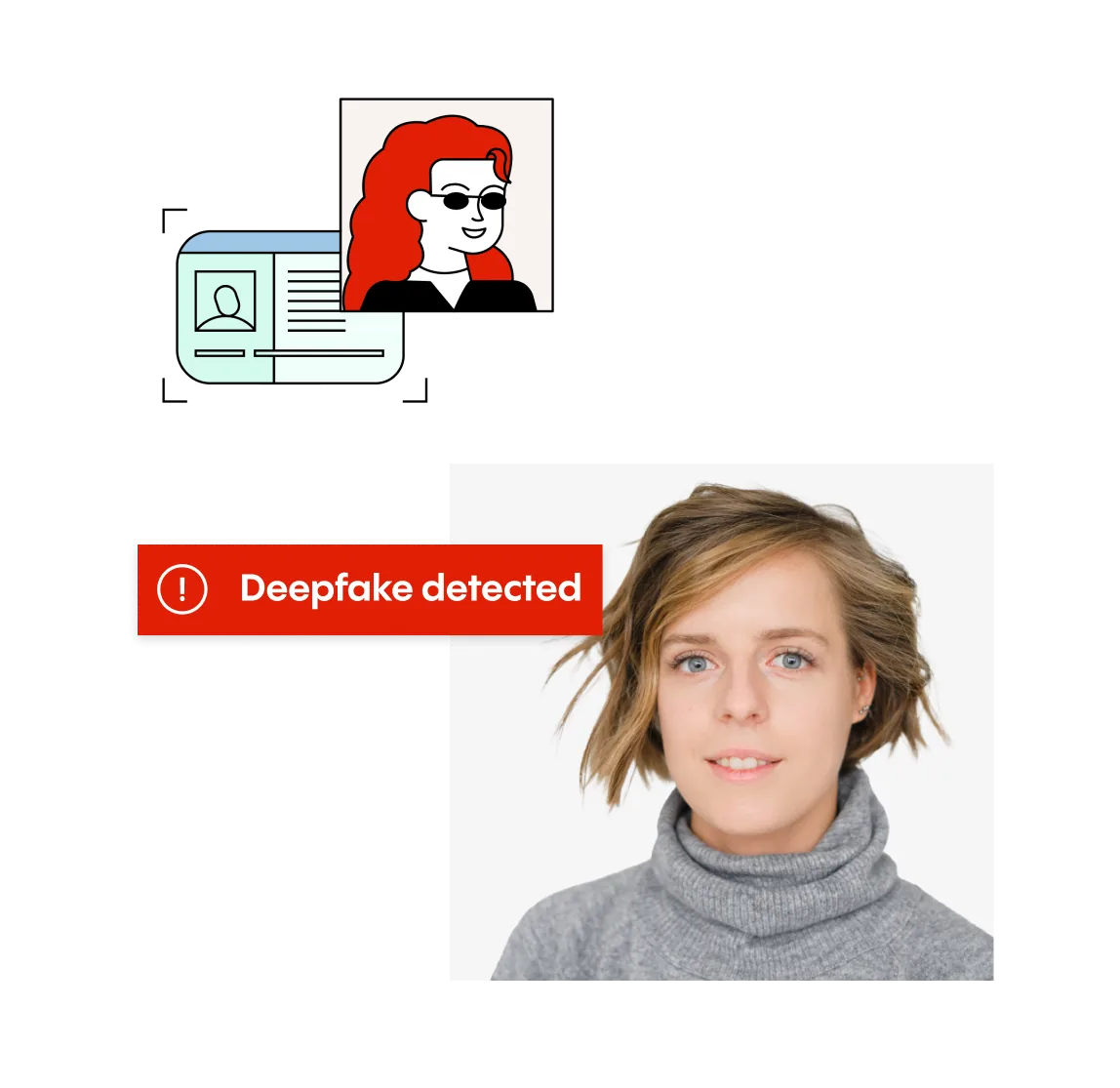
Impersonation fraud is a particular worry in this sector: quite simply, this is when someone pretends to be someone else in order to fraudulently access or apply for a digital account or service. It could involve an individual initiating a verification process using someone else’s physical document, or the use of deepfakes or an otherwise fraudulent ID.
According to Veriff’s analysis of in-house data in our Fraud Report 2025, over 90% of the fraud recorded in the mobility vertical (including major names in the gig economy) was impersonation fraud. That put it well above average: overall, impersonation fraud amounted to 82% of recorded fraud.
Key fraud tactics in the gig economy industry
- Identity fraud: This involves using stolen or fake identities to access mobility services, such as ride-sharing, delivery, or scooter rentals. Fraudsters may create fake accounts to exploit promotions or engage in other illicit activities. Identity fraud is a growing threat that requires strong protection strategies. Read this article to learn about identity fraud, theft, and ways businesses can protect sensitive information.
- Money laundering: Gig economy platforms can be exploited to launder money by using them to transfer illicit funds.
- Bonus/offer Abuse: This involves exploiting referral programs, promotions, or other incentives offered by gig economy companies. Fraudsters may create multiple fake accounts or use other methods to illegitimately gain bonuses or discounts.
- Cyber threats: Gig economy services are vulnerable to cyberattacks, including data breaches, account takeovers, and ransomware attacks. These attacks can compromise user data, disrupt services, and cause financial losses.
Government concern
It’s little wonder, then, that governments around the world are concerned about identity fraud in the gig economy, placing huge importance on IDV. The nature of gig economy work means it can potentially operate without the same tough verification demands of other forms of employment, due to its inherently flexible working arrangements.
But in March 2025, the UK government announced that companies hiring people in the gig economy would now be legally required to carry out checks confirming that workers are eligible to work in the UK, with penalties of up to £60,000 per worker (about $79,000), business closures, director disqualifications, and even potential prison sentences of up to five years.
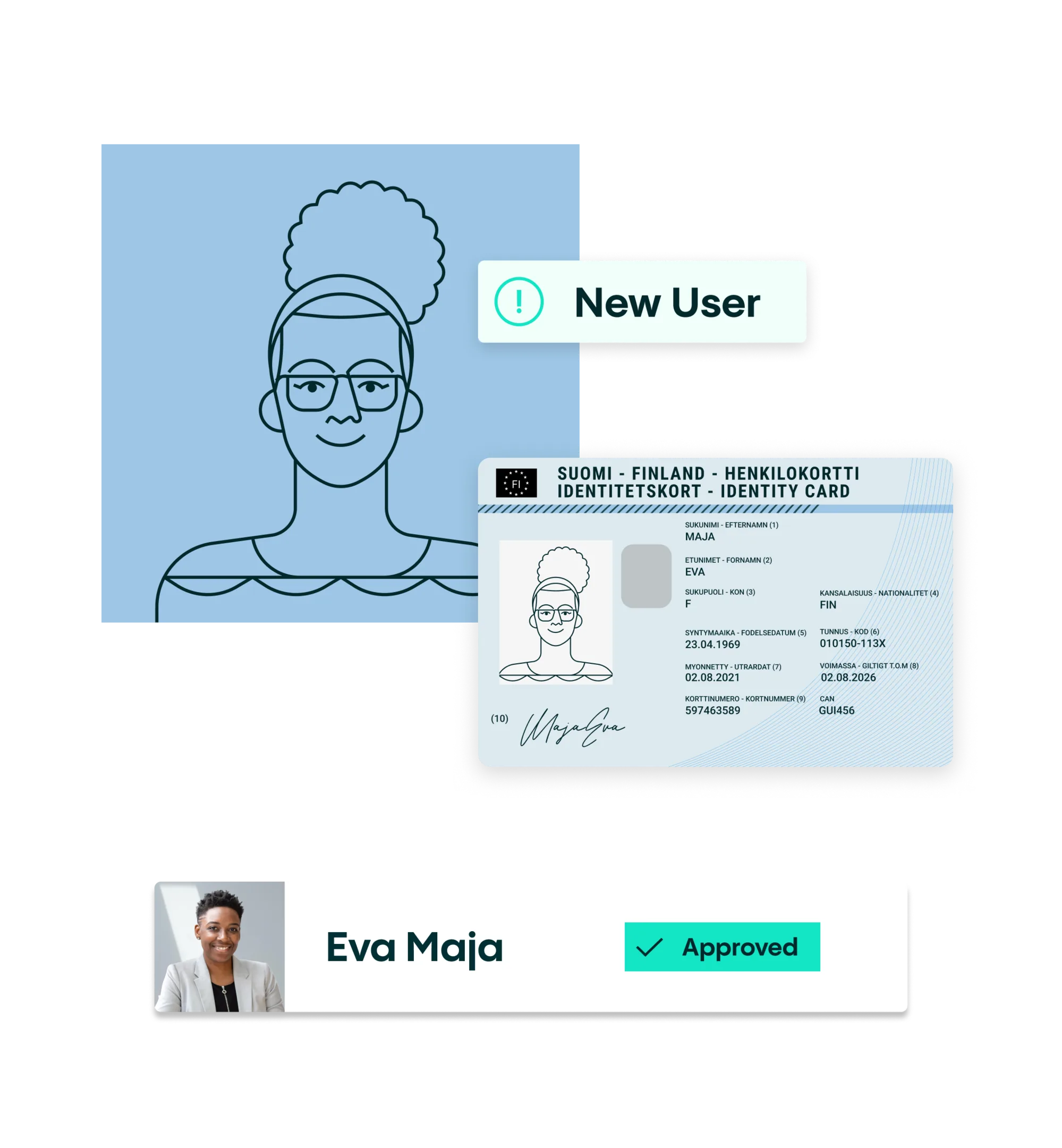
Robust IDV isn’t a nice to have any more – it’s essential. To stay on the right side of the law and to boost their businesses, mobility companies and other specialists in the gig economy should embrace AI-powered security.
Ira Bondar-Mucci, Senior Fraud Group Manager, Veriff
The power of AI-driven IDV
The rise of fraud directly threatens gig economy providers’ ability to scale, comply with regulations, and maintain customer trust, three critical challenges for decision-makers in the industry.
This is where AI-driven identity verification (IDV) comes in. By leveraging biometric authentication, AI-powered document verification, and real-time fraud detection, gig economy providers can stay ahead of bad actors while ensuring a seamless user experience.
AI threats and opportunities
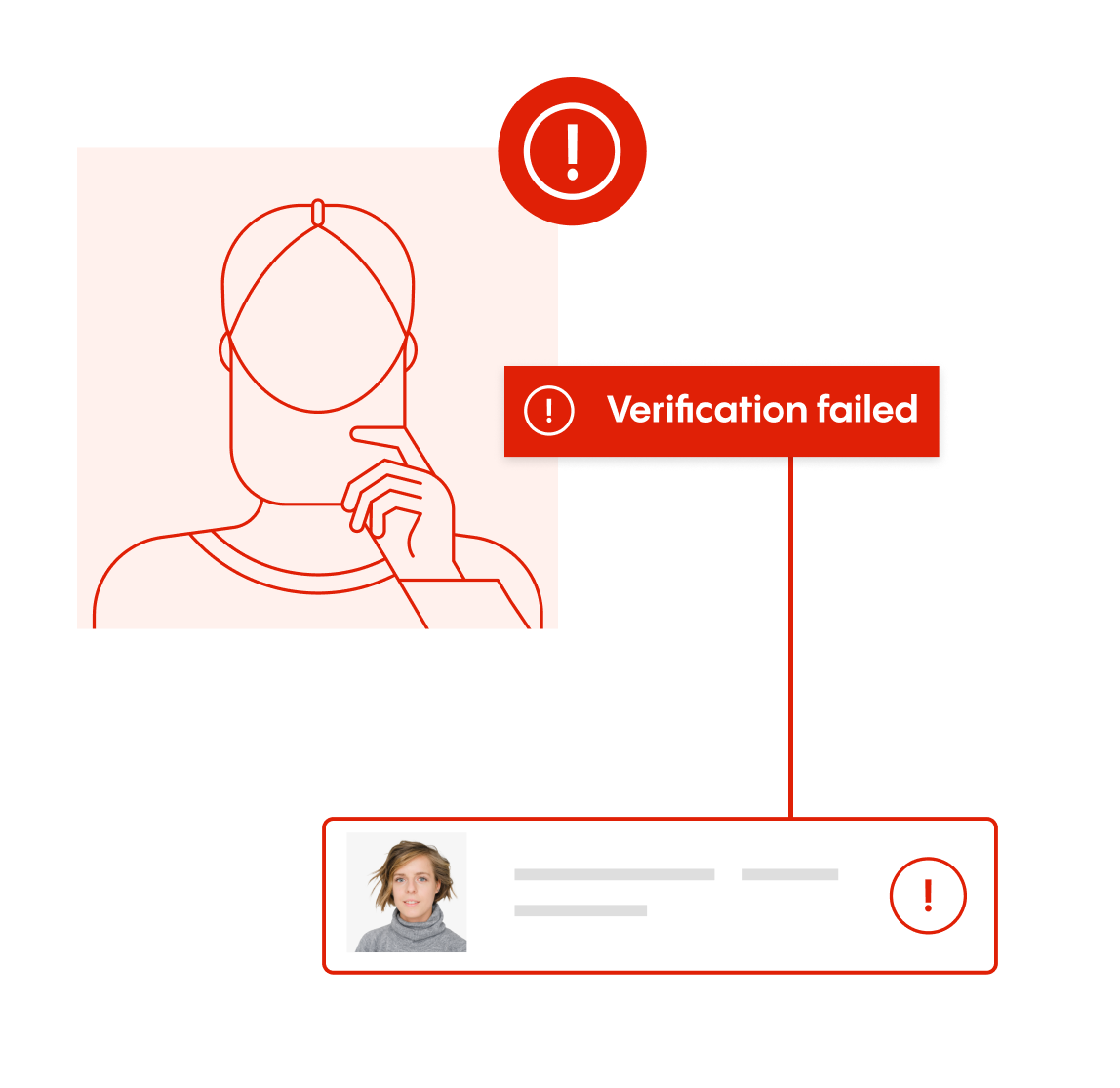
AI poses dangers. In fact, 60.5% of respondents to our Fraud Industry Pulse Survey 2025 reported an increased use of AI in attacks.
On the other hand, it can work to our advantage. Gig economy organizations can now fight back using powerful AI-driven identity verification solutions.
There is clear evidence that fraud professionals see the potential benefits it offers in boosting their defenses. Almost two-thirds of US respondents (64%) to the Pulse Survey are already using AI/machine learning in fraud prevention, with a further 20% planning to do so in the next 12 months.
It is a similar story around the world, according to our global Pulse Survey. In the UK, 60% of decision-makers utilize AI/ML in fraud prevention, with a further 25% planning to do so in the next year. In Brazil, 69.5% are using the technology, while 16.5% plan to do so in the coming 12 months.
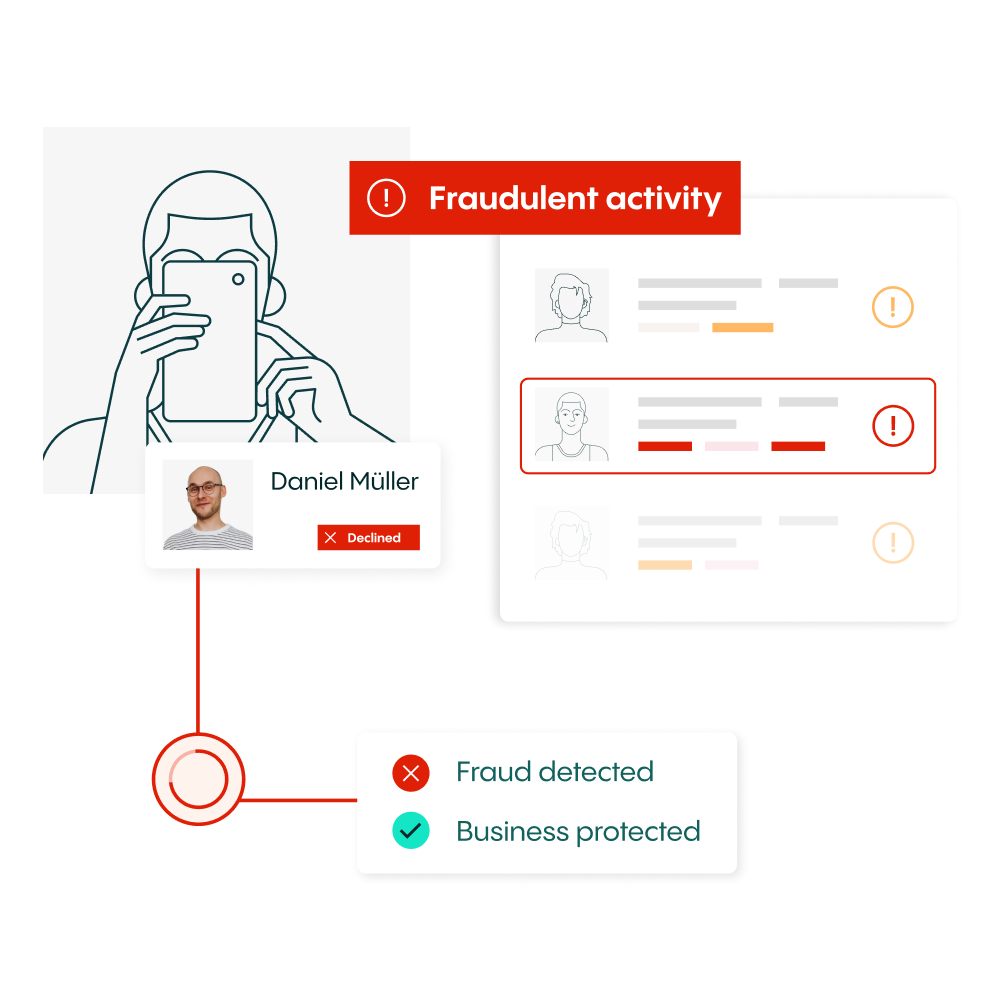
There are lots of ways AI can help. We asked fraud professionals in our Pulse Survey to outline how AI helps their organizations fight fraud. The answers covered a range of vital areas:
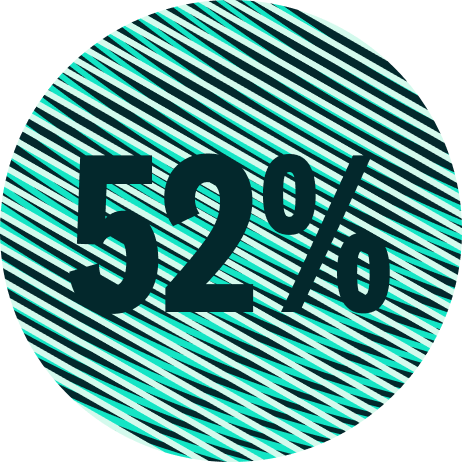
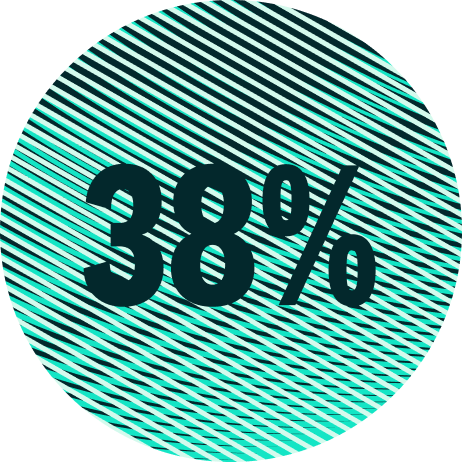
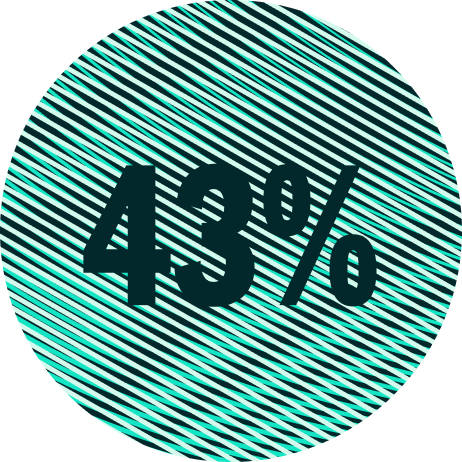
Identifying fraud patterns and potential risk factors.
Accelerating the identification of sophisticated fraud attempts.
Automating customer verification.
Analyzing customer behavior patterns over time to identify unusual activity.
Properly onboarding our users is a key component in offering a safe and reliable service. Veriff is helping us verify users in a quick and efficient way, making Bolt Drive safer for our customers, other traffic participants and pedestrians.
Lukas Yla, Director of Carsharing Operations at Bolt


Bolt is a European super-app that has over 100 million customers in over 45 countries and over 500 cities across Europe and Africa. The company seeks to accelerate the transition from owned cars to shared mobility, offering better alternatives for every use case, including ride-hailing, shared cars and scooters, and food and grocery delivery.
A mobility company in more than 45 countries, Bolt required a partner that could verify customer documentation quickly and accurately in accordance with various local regulations. Veriff’s AI-based driver’s license verification ensures the driver is using a valid license, is the actual owner of the documents, and extracts the document data for seamless onboarding, all within seconds.
Bolt Drive gives customers access to free-floating shared vehicles without the cost burden of owning and maintaining a car. Bolt Drive customers must be over 20 years old, have a category B driver’s license, and at least 12 months of driving experience.
Veriff has helped Bolt prevent the rate of driver fraud and confirm suspicious behavior through real-time identity verification methods, ensuring the safety of all customers, drivers and third-party road users.
Last-mile delivery
So how can AI-powered verification address the real needs of gig economy providers? Let’s look at last-mile delivery – a crucial focus for mobility providers in the gig economy.
For retailers, especially those dealing with big and bulky goods, the final stretch from distribution hub to customer doorstep is not only the most complex part of the supply chain, but also the most expensive.
According to Bringg’s 2025 State of Last-Mile Report, 77% of retailers say the last mile is the most challenging step in the supply chain, accounting for 30–40% of total transportation costs.
Let’s break down five of the top challenges:

Working with multiple carriers
In 2024, nearly four in ten retail and logistics professionals in the UK and the U.S. cited managing multiple carriers as their top challenge. Juggling different service providers leads to inconsistent performance, fragmented visibility, and higher operational complexity.
Cost management and profitability
Last-mile delivery often accounts for more than 50% of total shipping expenses. Issues such as inefficient routes, failed drop-offs, fuel usage, and labor costs all play a role in driving up these costs.

Delivery and customer support visibility
Customers expect full transparency—real-time tracking, proactive communication, and swift problem resolution. Yet 31% of respondents reported visibility gaps in delivery and support. These blind spots frustrate customers and erode trust, while also making it harder for businesses to proactively manage exceptions.

Complex operations and compliance
From coordinating fleets to navigating regulations, 30% of professionals noted the sheer complexity of last-mile delivery as a top concern. Expanding into new regions magnifies this issue, especially for age-restricted goods like alcohol or pharmaceuticals.
Driver retention and identity verification
Behind the logistics, people power matters. Driver retention remains a concern for 18% of professionals, and the challenge is to verify both drivers and recipients. Traditional ID checks are slow and error-prone, but the risks of getting it wrong—such as fraud or underage deliveries—are immense. Investing in scalable identity verification technology is becoming essential to keeping last-mile delivery secure and compliant.
This is where comprehensive identity verification is a game-changer, addressing multiple last-mile challenges simultaneously. Veriff’s comprehensive identity verification solutions are designed to address the unique challenges of last-mile delivery, ensuring seamless operations, regulatory compliance, and enhanced safety for all stakeholders.
- Preventing courier-side fraud: Veriff’s solutions ensure that only authorized couriers are completing deliveries through selfie verification, biometric authentication, device intelligence and continuous monitoring
- Preventing buyer/receiver-side fraud: Veriff can mitigate the risk of identify theft and account takeover (ATO) fraud and synthetic identity fraud, while delivering document-based receiver verification to ensure deliveries reach the right individual

A real-world example of IDV in action
Consider Starship Technologies, a global leader in autonomous last-mile delivery. With thousands of self-driving robots making deliveries across university campuses and city neighborhoods, the company faced a critical challenge: ensuring that only the right customers could receive age-restricted goods like alcohol.
Partnering with Veriff, Starship integrated real-time identity and age verification directly into its delivery process. Customers can now verify their age through a quick smartphone check, while Starship’s fleet continues operating without delays.
This seamless integration not only keeps Starship compliant with local regulations but also strengthens customer trust by guaranteeing that every delivery ends up in the right hands. It’s a clear demonstration of how identity verification transforms last-mile logistics from a compliance risk into a competitive advantage.
“Partnering with Veriff allows Starship to autonomously deliver age-restricted items in the UK and beyond as we continue to take on new markets and stores at a rapid pace. We are excited to work with Veriff in providing the highest quality Identity Verification solutions for our users to ensure their safety and peace of mind on our trusted platform.”
Ryan Tuohy, Senior Vice President of Business Development and Sales at Starship Technologies.
The IDV advantage
Fraud professionals in the gig economy and beyond clearly see the benefits of IDV software and biometrics when building their risk-based/step-up authentication systems. The vast majority of respondents (83%) to the Pulse Survey 2025 say they have already adopted some version of the technology into their processes.
And the same survey showed that 81% of respondents plan to boost their dependence on IDV and biometrics in the coming year, a clear recognition of the security benefits they’ve already seen and their expectations for future advantages, particularly when blended with the power of AI.
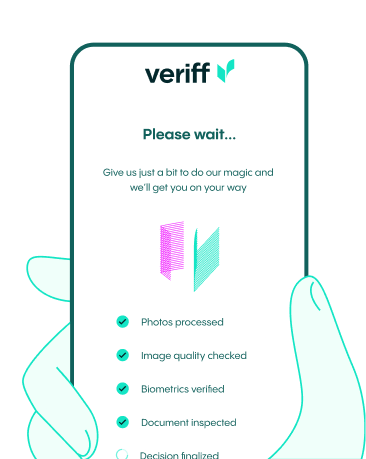
The benefits of AI-powered IDV in the gig economy companies are obvious. By embracing AI in IDV and across their businesses, companies can provide the best possible service for their customers and employees, while ensuring the highest security standards. This not only protects them – it boosts their reputation, laying the foundation for future success.”
Ira Bondar-Mucci, Senior Fraud Group Manager, Veriff
Veriff for Gig Economy
It’s clear that while gig economy platforms enjoy significant opportunities in the digital economy, their accessibility and flexibility – and the sums of money changing hands – make them a natural target for fraudsters.
For that reason, they need robust IDV tools to ensure customers and users are who they claim to be. However, it’s not so simple.
Indeed, fragmented and hard-to-scale identity verification and fraud solutions hinder gig economy platforms’ ability to balance growth and safety. A coordinated and curated, multi-layered approach is essential.
At Veriff, we have developed a set of tools designed to protect gig economy platforms, without holding them back.

Veriff for Gig Economy is a comprehensive solution that ensures genuine interactions by combining industry-leading IDV, fraud prevention, age verification, proof of address, and ongoing AML monitoring. This integrated approach helps platforms to quickly onboard customers (both providers and users), boosting conversion via a smooth experience, reducing fraud, ensuring platform integrity, and streamlining operations.
Our solution is customized to support the unique demands of gig economy platforms, enabling rapid growth while balancing user safety. This has made it the most trusted, dynamic, and rapidly expanding brand in the market.
Veriff for Gig Economy is unlike any other identity verification and fraud prevention solution because it is customized to support the unique demands of platforms needing to balance rapid growth with customer safety, in terms of both users and providers.
- Accelerate growth and boost conversion: Seamless, accurate onboarding helps secure new customers and boosts global expansion
- Enhance trust and safety: Verify genuine customers seamlessly, enable responsible age-restricted access, and protect the platform's integrity and reputation from sophisticated fraud
- Streamline operations and scalability: Automated verification processes lead to significant efficiency gains that accelerate customer acquisition and enable effortless scaling
A customized solution
Let’s look at some of the key features.

Extensive global coverage
Veriff offers the most extensive coverage with 12K+ specimens, from 230+ countries and territories, in 48 unique languages and dialects. This ensures your gig economy platform can scale globally and onboard providers and users from virtually anywhere, precisely verifying documentation in accordance with local regulations and enabling widespread expansion and trust.

Cutting-edge Biometric Authentication
We ensure fast, seamless reauthentication for returning providers and users. This eliminates multiple ID uploads, enhances account security, and prevents unauthorized activity on verified participant profiles.
Unparalleled speed and accuracy
Driven by global expertise, we have an unmatched ability to balance speed with accuracy. Veriff’s fraud detection processes are the fastest and most accurate in the world, crucial for efficient and secure onboarding.
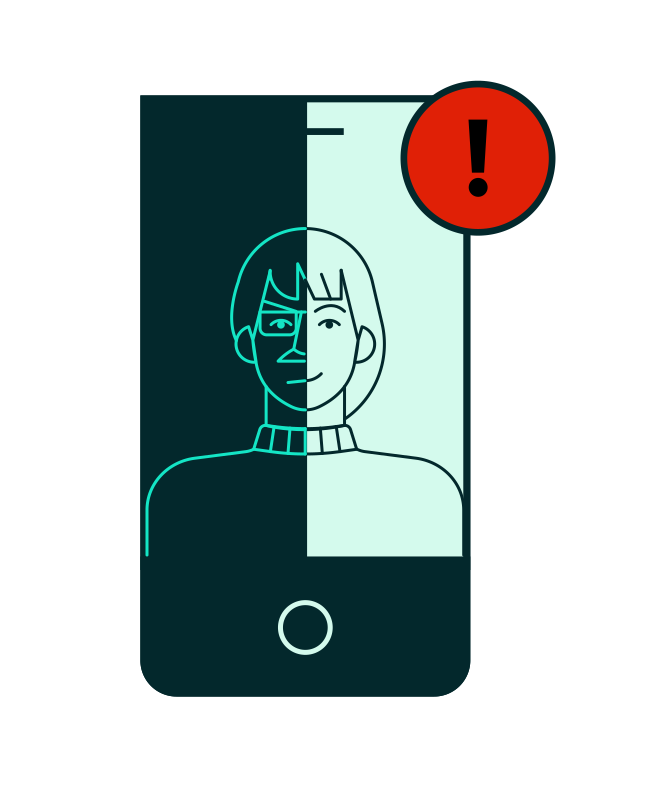
Superior fraud prevention
Beyond basic ID checks, Veriff provides deep identity intelligence and advanced fraud detection by analyzing 1,000+ data points, including behavioral biometrics and sophisticated document security features. Our unique crosslinking technology helps catch fraudsters by identifying suspicious patterns across our network. This enables us to proactively block sophisticated fraud attempts that threaten your reputation and lead to losses, ensuring you catch real threats while maximizing genuine provider and user onboarding efficiency.
Optimized for Gig Economy conversion
Veriff’s global-first approach and optimized user experience deliver up to 200% higher conversion rates and an improved customer experience, ensuring more genuine providers and users complete onboarding. This builds a safe and trusted foundation for long-term gig economy platform growth, reducing friction and frustration.

Operational efficiency and seamless Integration
Veriff's proven expertise automates verification processes, leading to improved overall operational efficiency and optimized resource allocation for our customers. Our solution also helps reduce costly manual interventions and fraud-related investigations, saving significant operational expenses. Veriff offers seamless integration via native SDKs (iOS, Android), web SDKs, and flexible API options, ensuring fast deployment into your existing platform.
Stay ahead of industry standards
Veriff for Gig Economy adheres to and stays ahead of the required industry standards so you don’t have to. Veriff ensures robust data protection and privacy for all participant data. Adhering to global standards like GDPR, ISO 27001, and SOC 2 Type II, we implement comprehensive security measures, so you can onboard with confidence.
What the future holds
Part 3
How Veriff can help you fight the AI threat
Technology to identify manipulated images

Biometric analysis of photographs and videos
The ability to identify patterns across verifications and customers
Examination of key device attributes
Veriff’s software development kits are secure and robust by nature because we can control their interactions, making it difficult for fraudsters to digitally inject media into the stream. In effect, we build a hard wrapper around our system, ensuring that content that’s captured or uploaded is valid. We also offer a multi-dimensional approach to tackling the problems faced by financial services organizations:
Veriff’s platform is built on sophisticated models that constantly evolve, providing a multi-layered approach that combines threat-mitigation tools. We treat the absence of data as a risk factor itself and provide a robust and comprehensive check of identity documents.
Ira Bondar-Mucci, Senior Fraud Group Manager, Veriff
The fraud prevention ecosystem
Veriff is building the infrastructure for trust online. We are doing this by helping digital organizations to do the following three things:
Fight ever-more sophisticated fraud
Achieve growth on a global scale
To do these three things, businesses must ask three key questions of their customers:
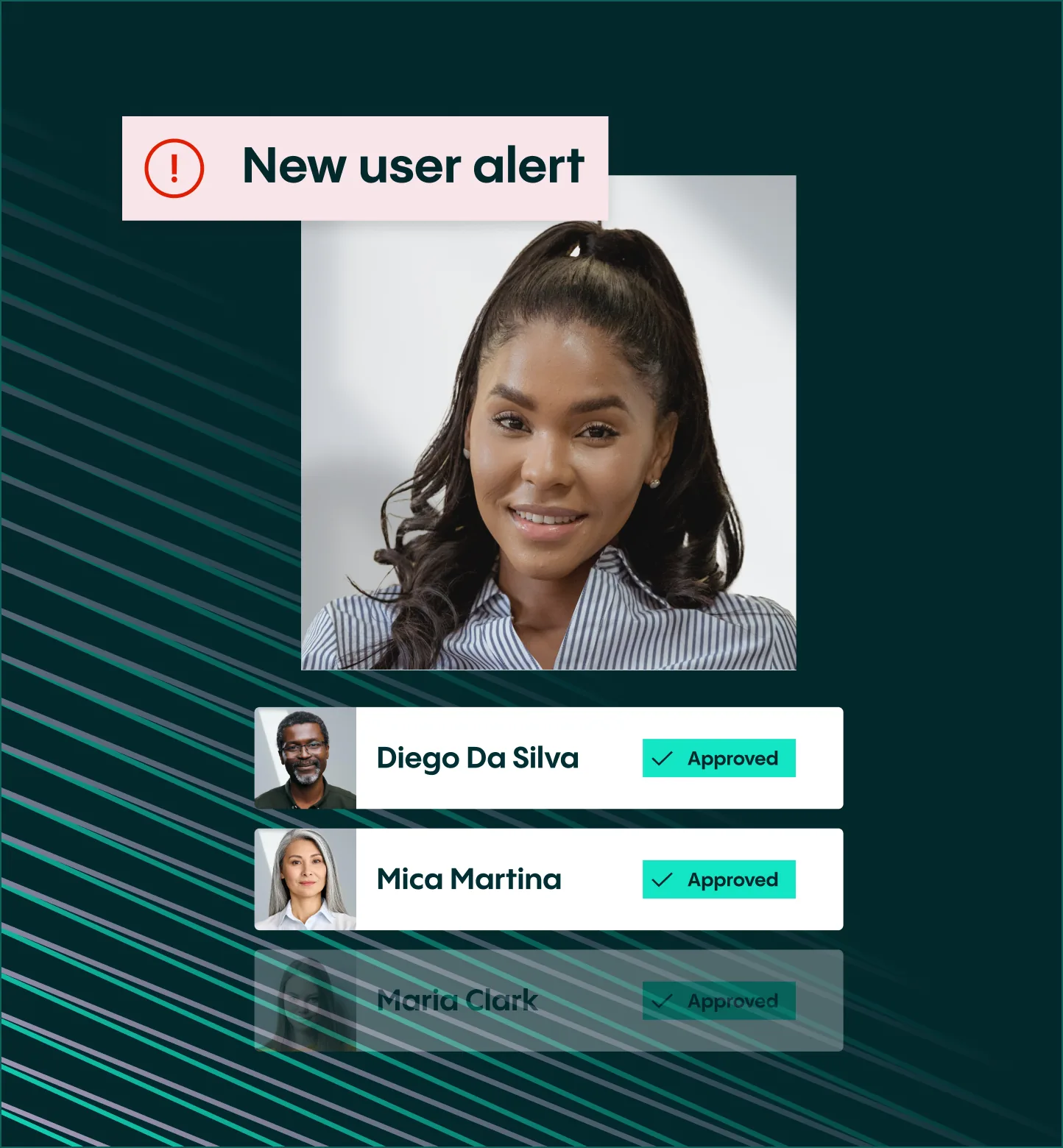
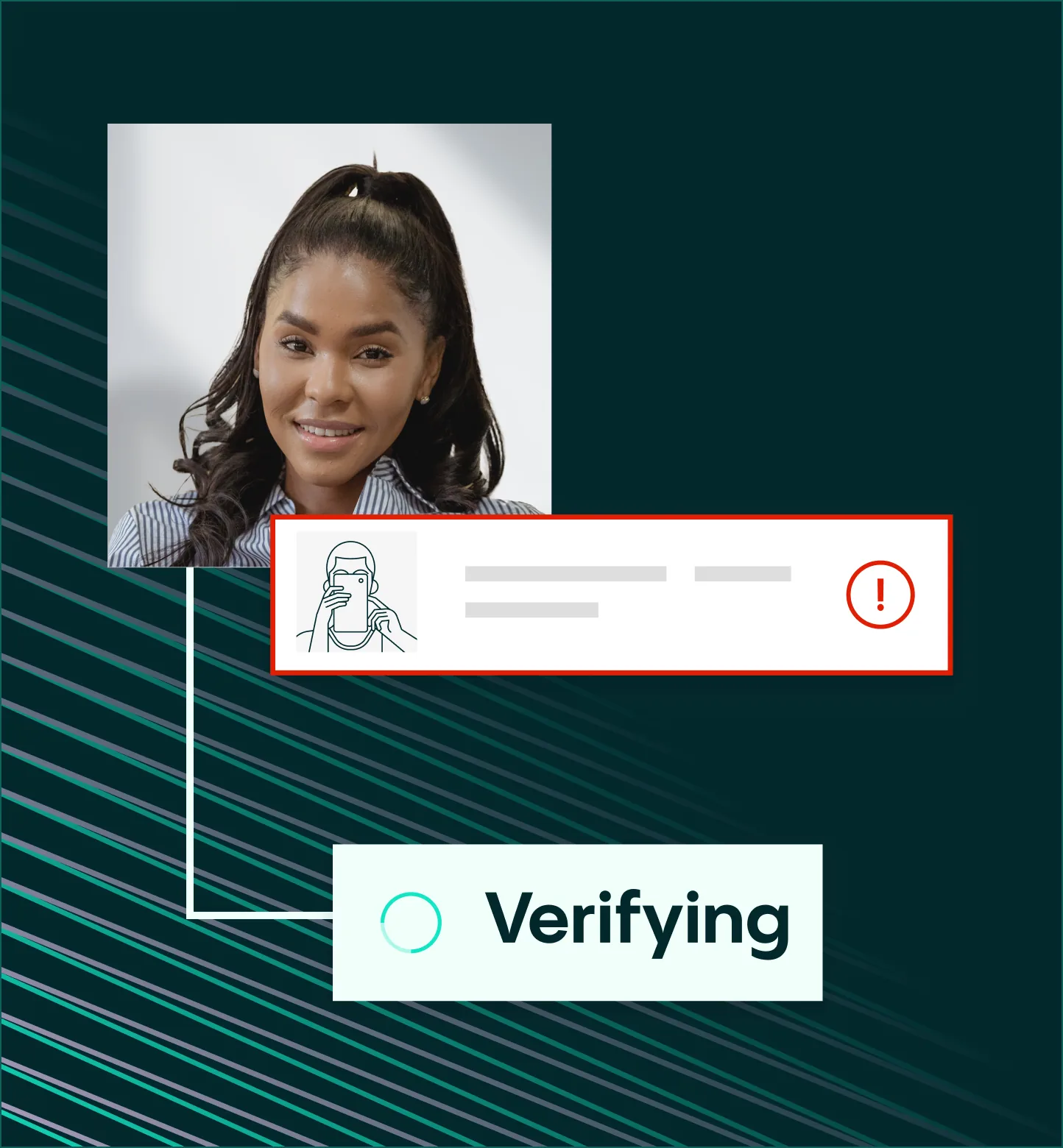
Is this person real at the moment of signing up for an account?
Is this person trusted - are they a potential fraud risk or are they a high-value customer?
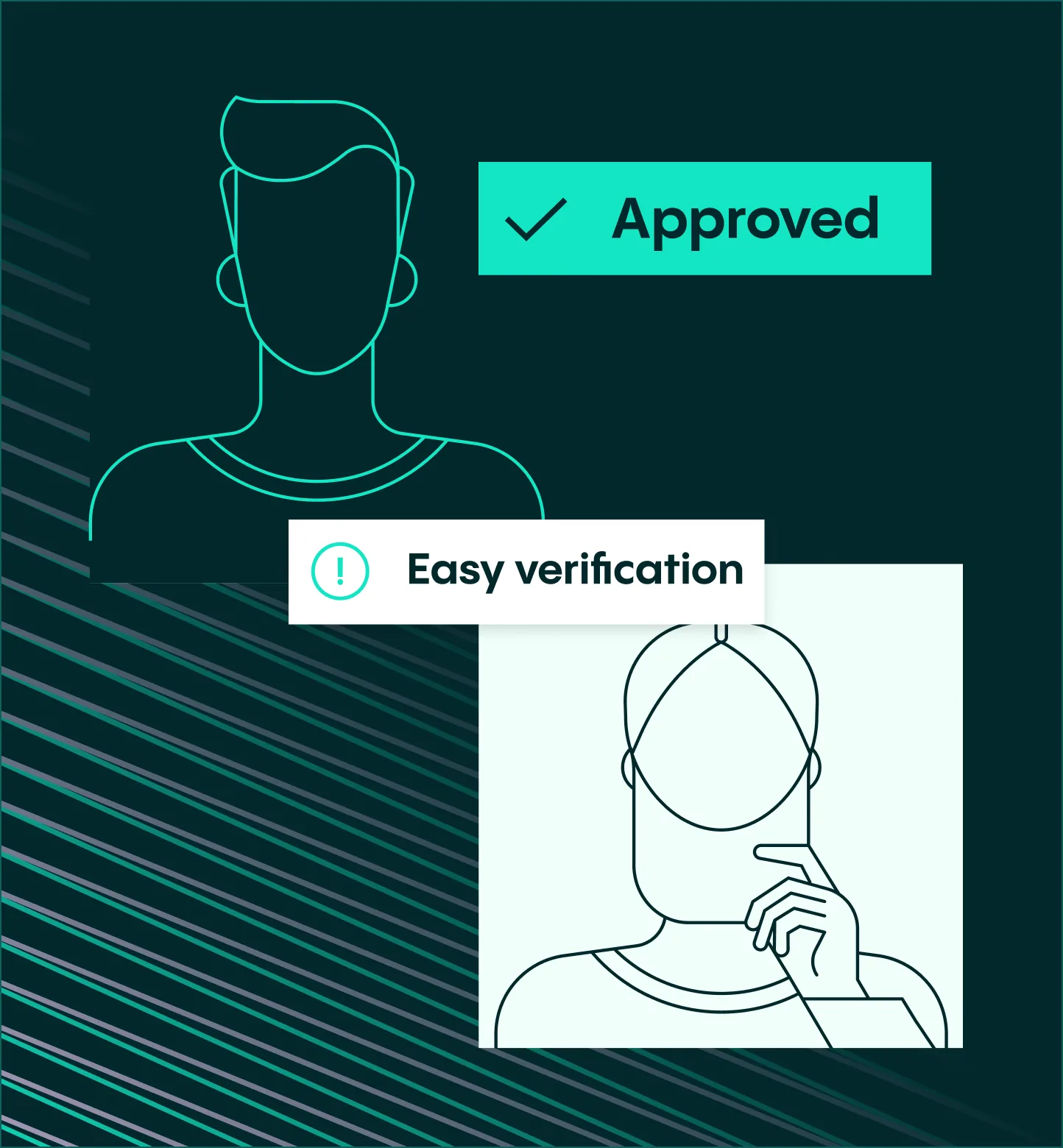
Is this still the same real and trusted person logging in throughout the lifetime of that account?
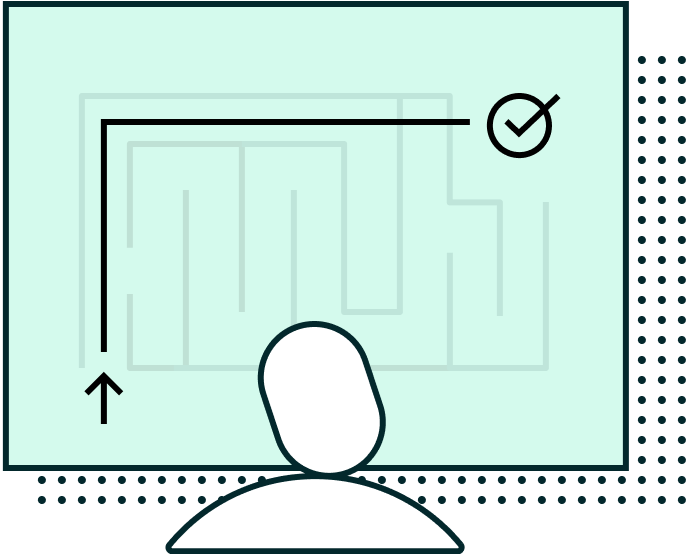
The customer identity solution built to answer the key questions facing businesses
Human thought behind the machine learning
Preparing you for the rise of deepfakes
Veriff uses machine learning to detect patterns or anomalies that identify fraud, including those created with deepfakes. This could involve detecting inconsistencies in facial features, skin texture, or lighting conditions. But even with advanced AI, some deepfakes might be sophisticated enough to fool automated systems. Having trained professionals in our human-in-the-loop review helps us to provide an extra layer of security.
By combining these techniques with ongoing research and development, we aim to stay one step ahead of emerging fraud techniques and safeguard our systems and users against potential threats.
Veriff is uniquely placed because we have the ability to provide positive answers to the challenges facing global businesses in 2025
Our IDV solution verifies users at the point of sign-up to your systems, confirming they are genuine. Our cross-linking and risk scores create a powerful network effect from across our customer base that enables you to determine whether a customer is to be trusted. And our Biometric Authentication solution enables you to ensure the returning user is still the genuine owner of the account throughout that account’s lifespan.
We have been seeing deepfakes for a couple of years already in our customers’ sessions. With the recent generative AI boom, we can see more and more of these kinds of sessions coming in, where the images have been generated with AI. We take a multi-layered approach to combating deepfakes and AI-generated media.
One key strategy is implementing face liveness checks to validate the authenticity of human presence. This involves using algorithms to detect subtle facial movements and responses, ensuring that the individual interacting with our systems is indeed real.
In addition, we employ a variety of checks to validate the legitimacy of documents. This includes leveraging machine learning algorithms to analyze document features and detect anomalies or signs of manipulation, as well as our proprietary document specimen database populated by document experts.
How we do it ⬇️
Our core Document and Identity Verification solution uses advanced AI and is supported by fraud mitigation tools. We deploy machine learning-powered checks, advanced fraud network mitigation strategies, and a team of in-house counter-fraud experts to help protect organizations.
Meanwhile, our Fraud Protect solution helps to identify patterns and deliver actionable insight built on industry expertise, enabling users to approve greater numbers of genuine users and eliminate more fraud. Its elements are:

Which searches for signs of physical or digital data or structural manipulation.
This prevents individuals suspected of fraud from attempting to access your business.
Offers biometric analysis of the user’s selfie image for signs of physical or digital manipulation.
Which collects and analyzes multiple signals from the user’s device and network to identify potential risk.
CrossLinks and RiskScore techniques are something we utilize across our portfolio to build a comprehensive picture of fraud-related danger, including the risks from deepfakes (see below for more detail).
Analyzing the biometric characteristics from a submitted selfie image to ensure that the subject is real and physically present during the verification, as well as checking for signs of manipulation.
DocCheck:
FaceBlock:
FaceCheck:
DeviceCheck:
CrossLinks and RiskScore:
FaceCheck Liveness:
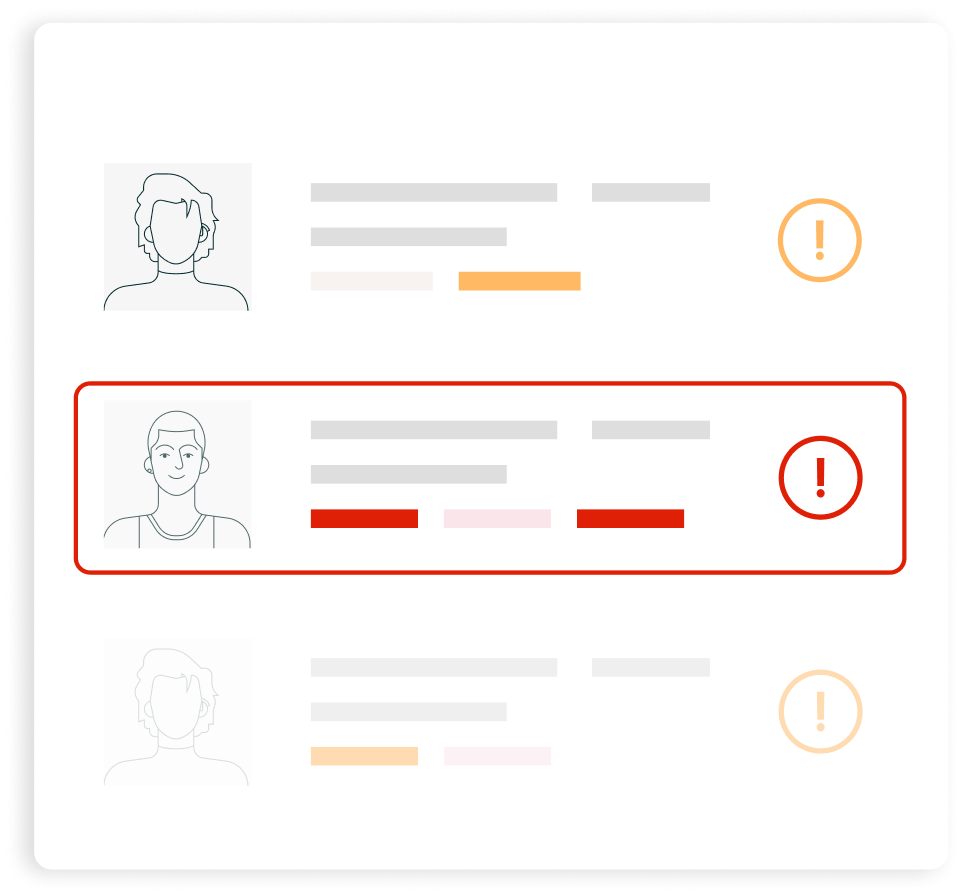

Similarly, our CrossLinks approach - where we are crosslinking multiple pieces of information to derive new insights and fraudulent patterns that are not detectable when analyzing a single session in isolation - means we can group together verifications with similar data points, helping us to identify fraudsters who might use multiple fake identities on different occasions across our network.
This capability has deepened and expanded. We have long been capable of identifying a document that shows up on multiple occasions with the same customer, or the same biometrics, IP address, or device characteristics.
With Industry CrossLinks, we can look cross-customer, within the same industry vertical - for example, looking to see if the same fraudster has been working across our financial services customers - and the fact we work globally means we can spot evolving trends that a customer working on their own would never be aware of. All of this can happen without any personally identifiable information being shared across customers.
This is effective because fraudsters will always try to reuse their tools and tactics across multiple organizations. Even as they turn to machine learning, AI, and deepfakes, they will reuse credentials, templates, and faces. Our Industry CrossLinks capability stops them in their tracks.
CrossLinks in action:
learn more
We have plenty of resources available for you to learn more about fraud, and how to protect your business.
Visit our dedicated Fraud Education Center here

Learn more about the threat of AI and deepfakes here
Discover the cost of fraud with our interactive RoI calculator here
Explore our fraud-prevention solutions here

Veriff is a global identity platform helping businesses build trust online. Our AI-native technology combines automation and human expertise to quickly and accurately verify users worldwide with minimal friction.
Our trust infrastructure helps businesses stay compliant, prevent fraud, protect users, and scale globally, enabling a safer, more transparent internet for everyone.


Speak to one of our fraud experts today to discover how we can create customizable fraud protection for your business.