The Future of Online Communities
How to protect users of social media, online dating, gaming sites and more










Almost all of us interact with online communities today, whether it’s sharing our opinions on social media or playing video games with users around the world. Many of the sites are major businesses, with significant sums of money changing hands – making them a growing target for online fraudsters.
The term online communities describes a broad vertical that includes video gaming, review sites, social media platforms and dating services. They are some of the most successful businesses online – and they’re only set to grow further.
The social media market alone – comprising platforms like Facebook, Instagram, LinkedIn and X – is projected to reach a value of more than $800 billion by 2033, more than trebling in size over the course of a decade.
The opportunities for entertainment, education and business are vast - and fraudsters are more than happy to exploit them for their own ends. And the danger isn’t just financial – for example, dating sites must confront the risk of sexual predators attempting to access their services and video games must ensure the safety of younger players.
Introduction
Ira Bondar, Senior Fraud Group Manager, Veriff

Customers expect to be secure in online communities, so it’s vital that platforms deliver robust verification and safety measures. At Veriff, we believe that success depends on answering three key questions:

Is your customer/employee real?
Is this customer/employee of value to you or a potential cost?
Is the answer to those questions still the same on an ongoing basis?
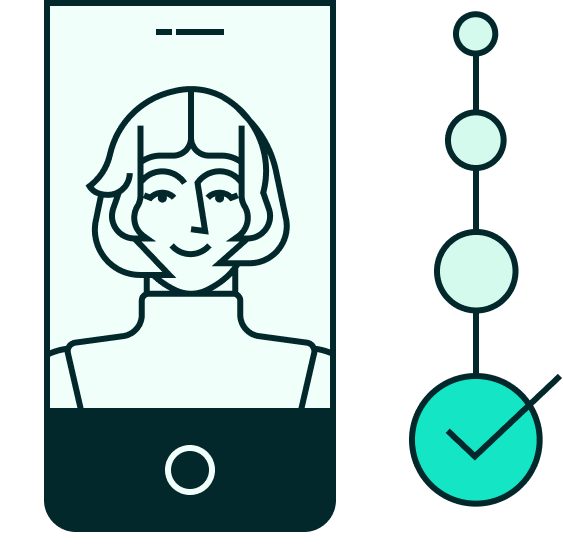
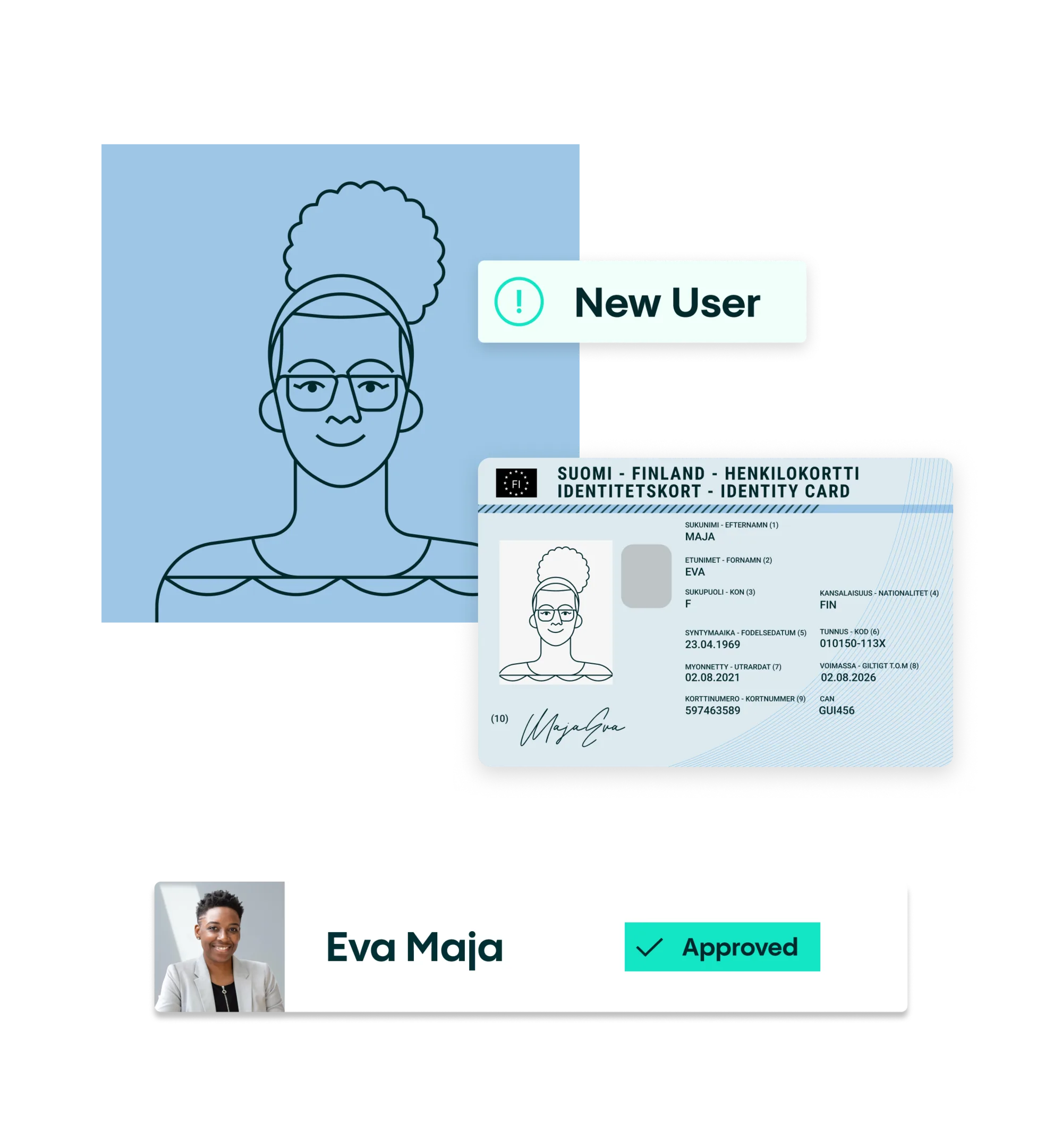
Through a photo of their government-issue ID and a simple selfie, we can tell immediately if something is wrong with an image or video. We can detect liveness and realness without asking users to move unnaturally or follow complex instructions – in other words, we can ensure they really exist and that they are who they claim to be.
We can determine at the onboarding stage if the person is a potential customer of value – or if they simply cannot be trusted. With our cross-linking capabilities, we take huge amounts of data and search for patterns, helping us identify potential fraudsters who target certain industries. Of course, if they’re a legitimate customer, the process is smooth and safe, building security – and your company’s reputation.
Can you ensure that users of your platform are who they say they are every time they engage with your platform? Reauthentication of customers and employees is absolutely critical. With biometric authentication, users are promptly and securely authenticated across all stages of their user journey. We know they are who they say they are because we can quickly check the information already on file.



In this report, we collate and analyze our extensive research into online communities. The three key resources in focus are the Veriff Identity Fraud Report, an analysis of our in-house data from the frontline of fighting fraud; our Fraud Industry Pulse Survey, based on responses from hundreds of fraud professionals and decision-makers from around the world; and our Fraud Index, which surveyed thousands of consumers across the US, Europe and Latin America.
Our research clearly demonstrates the potential for further growth in online communities, as well as the dangers, ranging from theft to romance scams. There’s no doubt that the risks are real, but so are the opportunities if companies strike the right balance between customer satisfaction and user security.
Key takeaways
Part 1
Online fraud is on the rise everywhere:
Online communities face unique threats
There is a real financial danger – and worse
AI is a threat and an opportunity
Unfortunately, the danger from fraudsters seems to only be going up. We found a 21% rise in fraud between our 2024 and 2025 fraud reports.
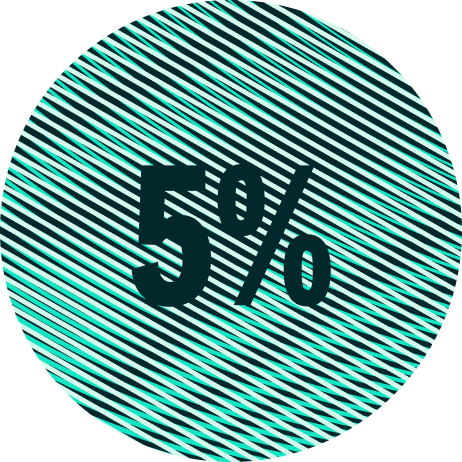
What’s more, the report showed that no fewer than 1 in 20 verification attempts in 2024 were fraudulent: someone pretending to be someone else.
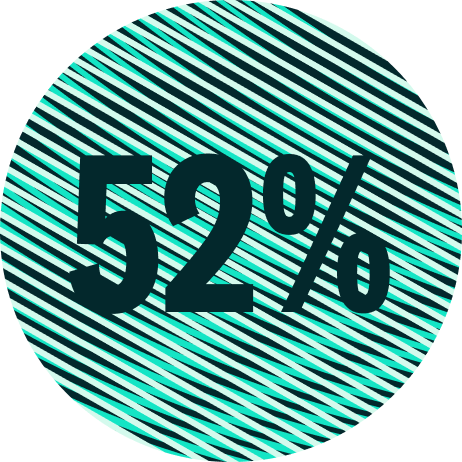
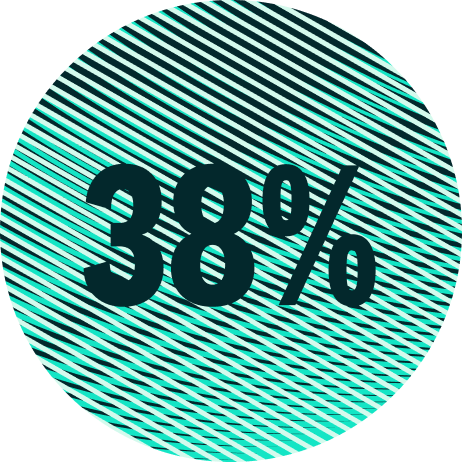
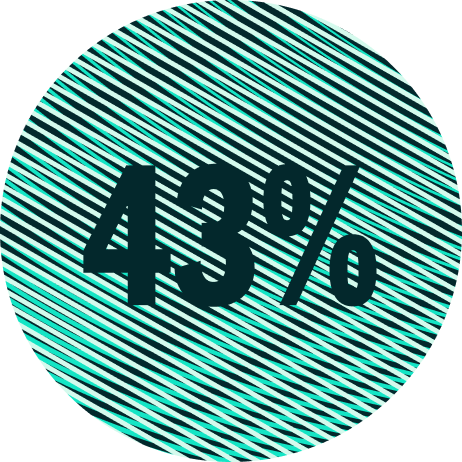
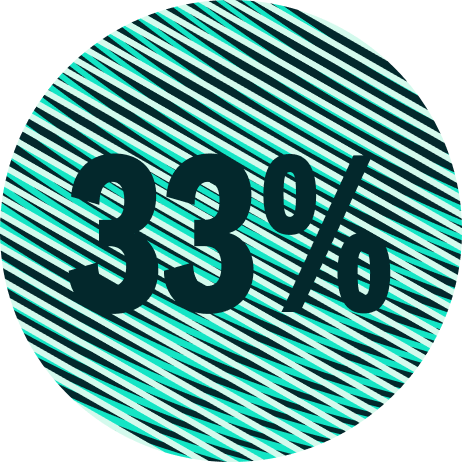
And there’s a real financial impact. For more than a third of US respondents (35%) in our Fraud Index 2024, there was at least some financial loss to fraud, with 13% of fraud decision-makers globally reporting that fraud cost their organization up to 20% of their revenue a year. This ‘fraud tax’ that organizations are paying is unsustainable and needs to be addressed quickly, as it is only going to get worse.
Our Fraud Report 2025 found that over 90% of all fraud in online communities was made up by impersonation fraud, when a person pretends to be someone else.
There were some other unique aspects. For example, social media platforms continue to see a large amount of document fraud, which was a continuation of a trend highlighted in the 2024 report. Video gaming also saw a rise in document fraud.
Our 2024 Fraud Index found that more than a third (35%) of US consumers – including members of online communities – experienced financial losses from fraud, with 1% losing more than $1,000.
But this is only one aspect of the legal dangers. For instance, it’s vital that online communities verify the ages of anyone using their services to ensure that children are protected.
AI is a growing danger for organizations in all sectors, with 60.5% of respondents to our Pulse Survey 2025 reporting an increased use of AI in attacks.
On the other hand, fraud professionals also see the potential it offers to strengthen their defenses, with almost two-thirds of US respondents (64%) already using AI/machine learning in fraud prevention, with a further 20% planning to do so in the coming year.



A growing demand for IDV
Fraud professionals clearly see the benefits of IDV software and biometrics when building their risk-based/step-up authentication systems.
Most respondents (83%) to the Pulse Survey 2025 say they have already adopted some version of the technology into their processes. And 81% of respondents plan to boost their dependence on IDV and biometrics in the coming year.

The fraud threat for online communities
Part 2
Whether it’s a social media site like Facebook or X, an online dating service or a gaming platform, more of us than ever are spending our time and money in online communities. Unfortunately, criminals are paying close attention.
As we’ve already seen, social media is set to be worth $800 billion in 2033. But that’s just one side of the online communities domain. The gaming sector is valued at almost $200 billion, with more than 3 billion active players around the world, and online dating is set to hit a value of nearly $24 billion by 2032.
A familiar story of fraud
But fraudsters have noticed this growth – and the financial opportunities they can exploit. The threat from online fraud is growing all the time, posing significant dangers for any sector where money changes hands, with online communities high on the list.
In our latest Fraud Report, we analyzed global customer data from across 2024, including data related to our customers in online communities. The main story is sadly familiar: online fraud is on the rise.
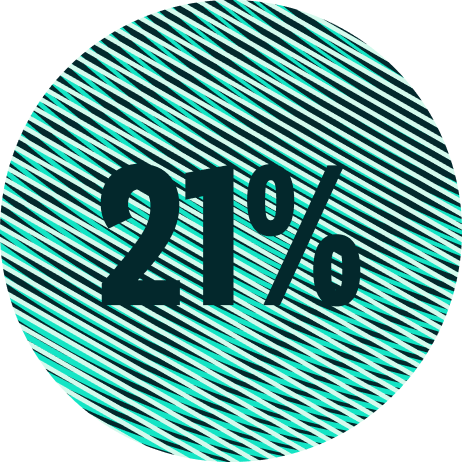
The increase in year-on-year online fraud since our 2024 report, a clear indication of the growing threat.
The percentage of all verification attempts in 2024 that we found to be fraudulent. This means that no fewer than 1 in 20 verification attempts involved someone pretending to be someone else.
An old problem
We’ve seen this theme again and again. In our 2024 Fraud Index, for instance, we surveyed end users on their experiences of online fraud, including US and UK customers of online communities. Two stats stood out:
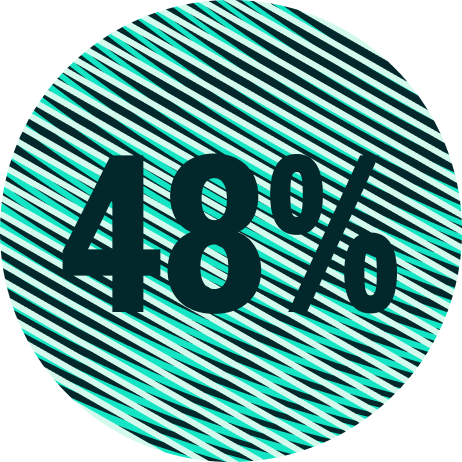
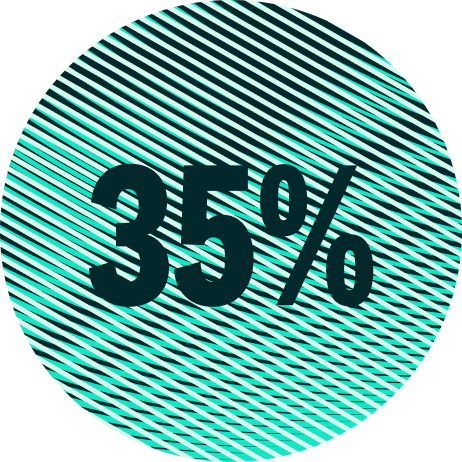
Respondents who had experienced online fraud in the preceding 12 months.
US consumers who experienced at least some financial loss from fraud, with 1% losing more than $1,000. And it’s not limited to the US – a quarter of UK respondents suffered at least some loss.
The growing danger was also highlighted in our Fraud Industry Pulse Report 2025, where we surveyed 200 fraud professionals and decision-makers in a range of sectors, including online communities. Most of our respondents (72%) said they had seen an increase in online fraud in the past 12 months, with a similar proportion (75.5%) saying fraud has hurt their revenue.
We’re spending more and more of our time and money online – unfortunately, that makes us a target for criminals. It’s vital that customers feel secure when they engage in an online community.
Ira Bondar, Senior Fraud Group Manager, Veriff


A third (32%) have suffered a 3-5% reduction – for a business with revenue of $1 million, that could mean a loss of $50k per year, just to fraudsters.
3-5% reduction
Growing demand
Fraud prevention is essential to protect your business from crime. What’s more, it’s a key demand for customers across online communities.
This fact emerged clearly from our Fraud Industry Pulse Survey. In the US, almost three-quarters (71.5%) of respondents said their customers are now more demanding of robust fraud prevention capabilities. This reflects a clear trend identified in the previous year, when 86% of US decision-makers said it was a key demand from customers.
And it’s part of a global trend. Our global survey this year found that 79.5% of Brazilian fraud professionals have seen the same growing demands from their customers, while the figure stands at 71% in the UK.
The message is clear – if online communities fail to protect their customers from online fraud, they stand to lose them. However, there could be upsides for those with a reputation for security.
“If you can prove to your customers that you’re keeping them secure, you will not just protect your platform and its users, you’ll lay the foundations for business success,” said Bondar.
Unique threats to online communities
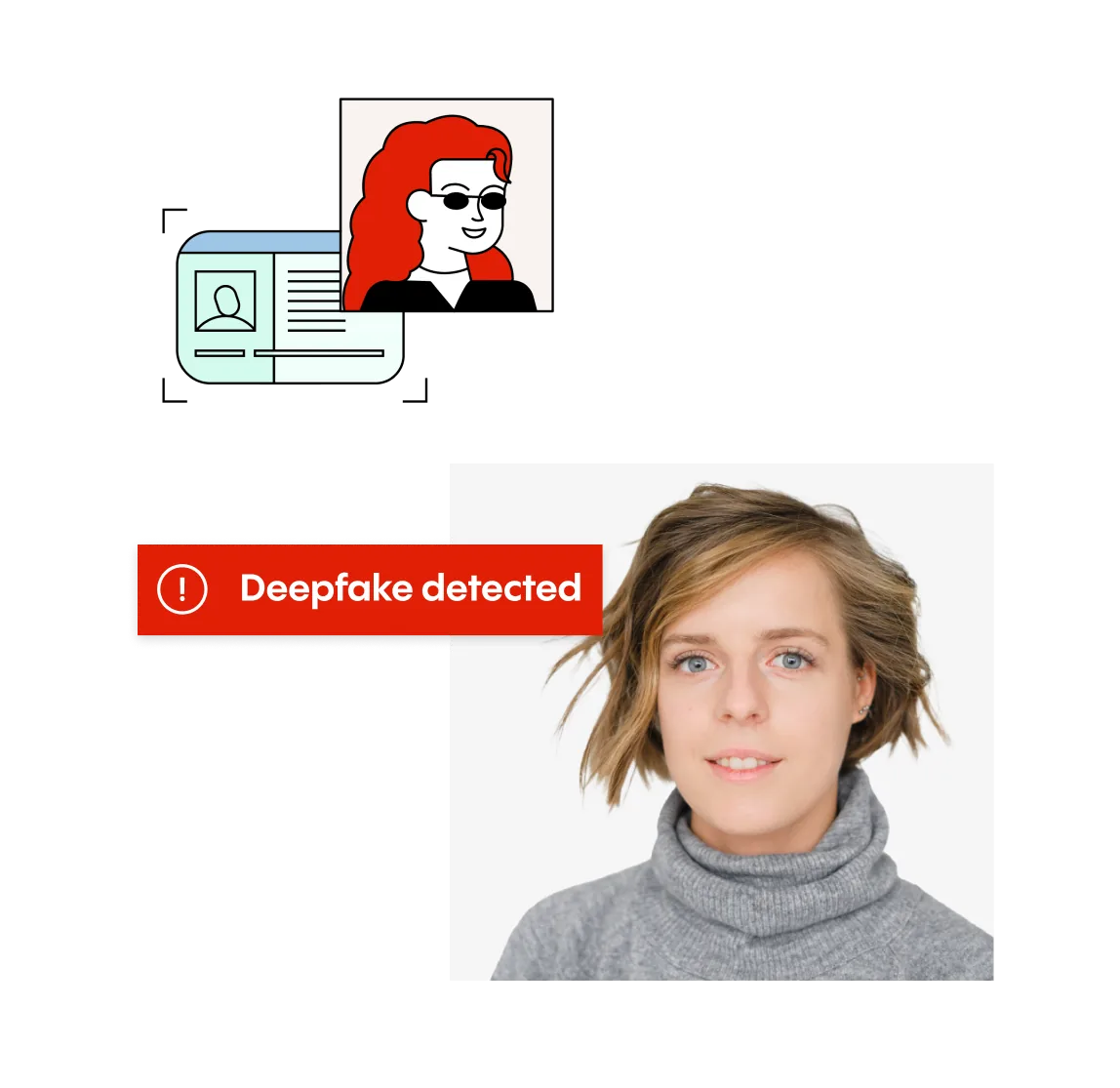
While online communities face the same criminal threat as any other online business, there are particular dangers for the sector. Our Fraud Report 2025 found that over 90% of all fraud in online communities was impersonation fraud, when a person pretends to be someone else to fraudulently access an account or service.
There were some notable outliers. Social media platforms continue to see a large amount of document fraud, a continuation of a trend highlighted in last year’s report. Video gaming was another sector that saw an increase in document fraud.
Perhaps unsurprisingly, gaming saw a big rise in physical adversary-in-the-middle attacks in 2024. With sign-up and other bonuses on offer, multi-accounting, identity farming, and account takeover have become increasingly prevalent in this vertical – with physical adversary-in-the-middle attacks the means with which to drive these fraud tactics.
Legal considerations
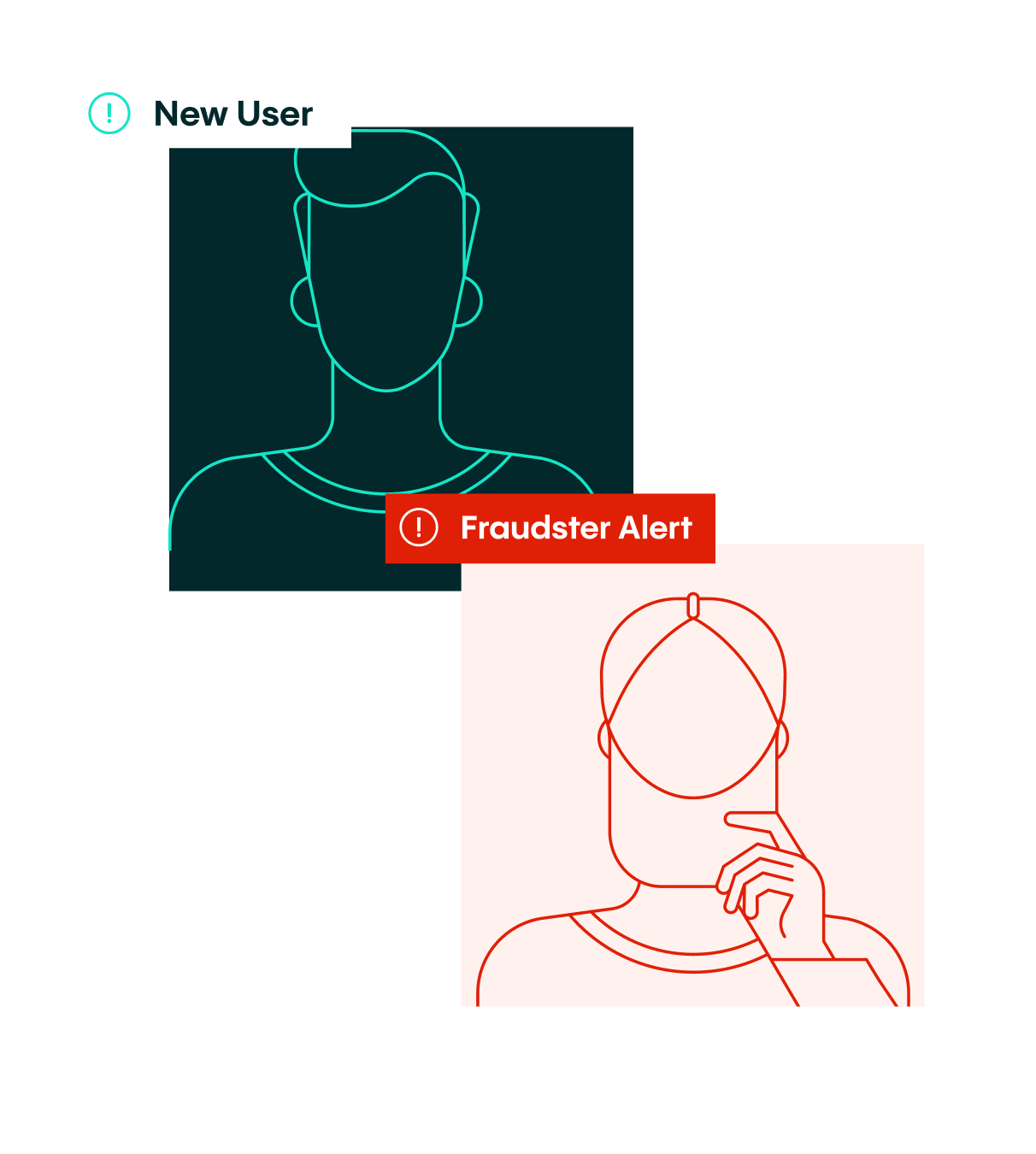
There are crucial legal considerations in the online communities sector, with organizations facing a complex patchwork of regulations and other restrictions on expanding their customer base.
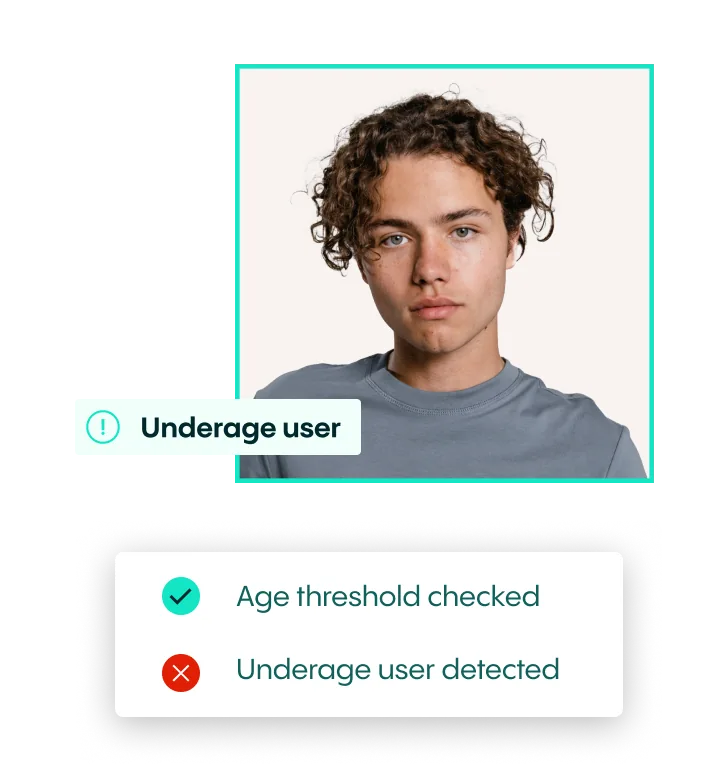
For example, many services face ‘age check’ regulations and a range of challenges around standards. They must determine the best practice approaches to compliance and identification, whether that’s age verification, age estimation, parental verification/confirmation, etc.
It is not a simple process. Some users (or their parents) may not wish to submit their identity cards or other documents. This complexity demands a flexible approach.
Document fraud
While it is crucial that online communities comply with age verification requirements, it’s more complex than enforcing a one-time transaction.
In some games, for instance, user-generated content (UCG) is a core component, with end users producing material within the gaming environment. This is seen as a vital aspect of a future metaverse, but it could lead to age-inappropriate content becoming accessible to children, demanding the right level of access control for different age groups.
Cutting-edge onboarding technology ensures you meet demands around user age, ensuring you meet regulatory requirements and maintain your reputational edge. It also keeps out bad actors who could attempt to cheat your systems, commit fraud – or worse.
Financial dangers
Only communities face significant dangers from financial crimes. For example, many video games offer the potential for highly lucrative transactions, with some including the ability to accumulate in-game items worth hundreds or even thousands or dollars.
Unfortunately, these users can be the target of hacking attacks, with bad actors seeking to steal games or virtual goods. These games or virtual goods can then be sold through compromised accounts, eventually passing them on to innocent users. The problem is serious, and recognized by major players, with Steam introducing a two-factor authentication process to address the threat of hijacked accounts.
Operators must also contend with a shifting regulatory environment, focused specifically on rules around ‘loot boxes’, which are virtual prizes connected to a video game. A gamer can win such prizes as a reward, while they can also be purchased with actual currency; they enable the ability to unlock characters or avatars, for instance, or equipment or another resource that provides an in-game advantage.
And there are worse threats out there. Perhaps most worryingly, pedophiles could target underage users, seeking to groom them through online gaming platforms. There has been a growing focus on the potential risks of the Metaverse in this regard.
The gaming market has grown significantly in recent years, forming a major part of the global entertainment industry. Online communities form a key element of the business.
There are a number of crucial factors to consider. The market tends to skew young, with the average gamer aged 35; it is much younger for certain types of games. And it’s global: half of Europeans play video games and 64% of Americans, while Asia is the biggest gaming market, featuring 1.48 billion players.
It is a highly complex market, with different games and platforms featuring their own unique user bases. However, with so many younger players – many under-18 – it may be crucial to validate the age of the people using your platform.
Malicious users seek to subvert games in several ways. For example, take ‘multi-accounting’, where the user creates multiple accounts to avoid being blocked.
This could be for several purposes. First, such actors may wish to cheat. While most users fully intend to play the game according to the rules, a small number may wish to alter its code or functionalities to give themselves an advantage over others.
“There’s a real potential for a negative impact if online communities fail to protect their customers from dishonest actors,” Bondar said. “In competitive markets, reputation is everything.”
Gaming: Levelling up for commercial success
Our goal is to ensure our customers’ safety. We must comply with KYC regulations to combat and prevent fraud. A trusted identity verification provider, like Veriff, allows us to offer our clients the best services in a safe environment.
Austin Shave, CFO at Chicks Gold.


In-game currencies, questing, power levelling – online gaming offers a range of eCommerce opportunities that could be targeted by scammers. Veriff’s partnership with Chicks Gold demonstrates how robust biometric analysis and IDV can protect gaming platforms and their customers, ensuring firms meet demand around know your customer (KYC) requirements.
Chicks Gold is a platform for selling in-game currencies, items, accounts, power levelling, and questing services, promising a fair price, safe products, speedy delivery, and friendly customer service.
Chicks Gold uses Veriff’s identity verification solution to verify its customers’ identities. With this partnership, Veriff adds an extra layer of security to the Chicks Gold e-commerce platform worldwide. Chicks Gold customers are asked to verify their identity while setting up their account, with a successful verification leading to platform access.
The online dating business has become increasingly sophisticated, appealing to customers worldwide in a range of niches and markets, each with its own characteristics and audience. North America is the largest region by revenue, at more than a third of the overall market, but Asia-Pacific is seeing the fastest growth, expanding at a rate of over 8% every year.
The market’s appeal is not just a matter of money – it’s also the sheer diversity. Online dating covers anything from general dating sites and apps that serve a broad audience, to specialized providers focused on specific age groups, religions and interests. Others cater to individual countries or wider regions. Each niche brings unique demands and challenges.
Overall, the business is focused on attracting and retaining users, building revenue through subscriptions, advertising, and premium services and features.
But the sector faces all the dangers associated with any online community, plus a range of unique challenges. It must protect its users’ data from scammers and other criminals.
TV programs like “The Tinder Swindler” expose the danger of romance scams, usually where a criminal fakes a romantic relationship to exploit the victim for cash – or worse.
For example, some online communities must ensure their services are not exploited by sexual predators. They must guard against underage users accessing services that are intended for adults.
“This could have serious legal and reputational consequences,” said Bondar. “People expect to be completely safe and you could lose customers if you fail to prioritize their security.”
Dating

Romance scams
Romance scams, also known as online dating scams, involve scammers creating fake profiles to build trust with unsuspecting users, only to exploit them emotionally and financially. Common online dating scams include tactics like emergency fund requests, fake military stories, and extortion through blackmail. These scams often target vulnerable individuals, such as divorced or widowed elderly women, leveraging false promises of love to manipulate their victims.
Scammers fabricate urgent crises like legal troubles or medical emergencies to solicit funds.
Emergency schemes

Victims are coerced into intimate acts on video calls, then blackmailed with threats of exposure.
Blackmail scams


Scammers request untraceable gift cards under various pretexts, making it difficult for both financial services and marketplaces to trace fraudulent activity.
Gift card scams
Fraudsters impersonate soldiers stationed overseas, citing military regulations as an excuse to request money.
Military romance scams

Scammers lure victims into fake investment opportunities, such as fraudulent cryptocurrency schemes, which impact financial institutions processing these transactions.
Romance baiting scams

Bad actors claim they need financial help to resolve fabricated visa or travel issues, often targeting international dating platforms.
Visa and immigration scams

Types of scams
Catfishing is a significant problem in online dating websites and in dating apps.
It boils down to one key question – am I really talking to the person in the picture? Scammers use other people’s photos – often sourced from social media sites – to lure their victims and conceal their true identity, helping them avoid the consequences of their fraudulent behavior.
What are the risks? Scams like catfishing could make customers distrust your platform. The core business of dating companies is trust, and your reputation helps you stay in business. If there is any question over safety, existing customers will leave – and potential new customers will stay away.

Our partnership with Veriff helps us to effectively manage ID Scan verification globally, and at a very large concurrent scale. It is incredibly important that we work with best-in-class technology partners to deliver these services to SuperAwesome’s Kids Web Services.
Paul Nunn, Chief Strategy Office and Head of Developer Relations at SuperAwesome.

It’s clear that gaming platforms and other online communities face particular challenges to ensure children are safe online. SuperAwesome has partnered with Veriff to deliver security for young users.
SuperAwesome was founded to build a safer internet for the next generation. To accomplish this goal, it makes products that enable developers and brands to safely engage with youth audiences around the world.
KWS (Kids Web Services) is a set of free tools that help developers and platforms to welcome youth audiences into their experiences in compliance with privacy laws.
SuperAwesome operates the Consent Management and Parent Verification flows used in some of the leading games and account systems in the world.
Providing access to the right verification options to all parents, no matter their country or language, is a huge challenge. KWS allows developers to choose from the best available methods, including ID Scan, Payment Card, Social Security number check, and Face Scan (in certain countries).
The importance of IDV
So how can online communities meet customer demands, while protecting them from online dangers? Technological solutions are key. By embracing cutting-edge, automated technology, companies can enhance the customer experience – while keeping them secure.
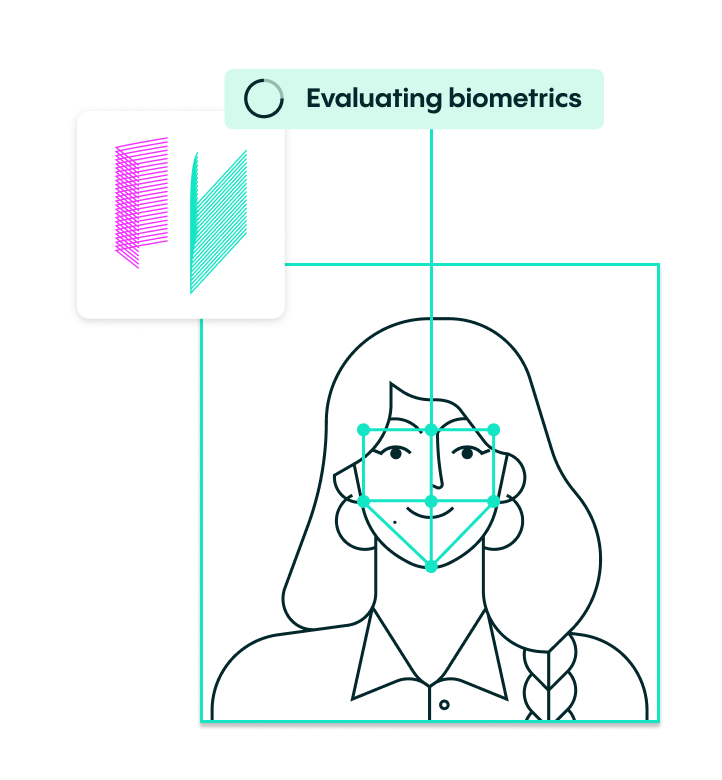
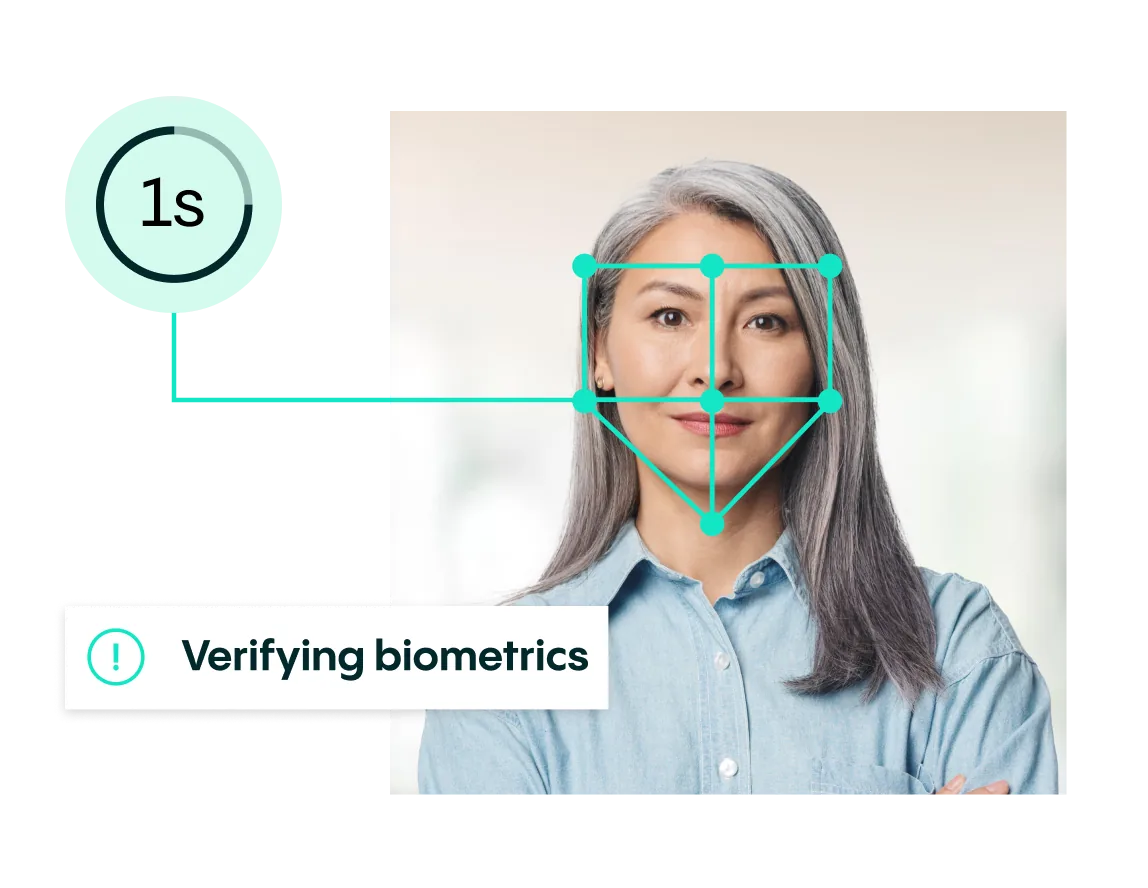
Age validation techniques can prove if a person is above a defined age, while liveness assurance could establish that they are a real person and not a bot. And biometric authentication can help prove that a person is who they say they are.
The IDV advantage
These benefits are clear to those who work in fraud prevention. Indeed, fraud professionals clearly see the benefits of IDV software and biometrics when building their risk-based/step-up authentication systems. The vast majority of respondents (83%) to the Pulse Survey 2025 say they have already adopted some version of the technology into their processes.
And the same survey showed that 81% of respondents plan to boost their dependence on IDV and biometrics in the coming year, a clear recognition of the security benefits they’ve already seen and their expectations for future advantages, particularly when blended with the power of AI.
Customer demand
Robust online protection is vital for businesses to remain secure and to protect their business, employees and customers. However, it’s also a key business imperative if they’re to enhance their reputations and secure future growth.
In our Fraud Index, we asked consumers to rate the importance of security measures when signing up for an online marketplace (showing an ID and taking a selfie). Customer demand for IDV was clear.
Three quarters of respondents (75.72%) said this was important when signing up to an online marketplace, a figure that remained consistent across the countries and by gender and age group. There was little difference overall between respondents in the US and UK, with 77.8% of UK consumers saying it was important and 73.65% of US respondents.

AI as a threat …
Tools like ChatGPT have shone a spotlight on AI. The technology has significant implications for online communities, both positive and negative.
First, the bad news. AI is a growing danger for online communities. The proliferation of these tools, and the fact that it is relatively cheap to develop them and deploy them at scale, has led to fraud-as-a-service becoming one of the major growth industries of the last 12 months.
Respondents to our Pulse Survey 2025 who reported an increased use of AI in attacks.
60.5%
While there is a significant problem in the UK, it appears to be worse in the US. Our Fraud Index found that while in the UK, 62.8% of consumers say they haven’t been targeted by this type of fraud, the same figure in the US is less than half of respondents (47.5%). In the US, almost a third (31.94%) have been targeted by AI or deepfake fraud, while a striking 19.56% say they don’t know.
And AI as an opportunity…
So, we know that technology is a growing threat. On the other hand, it can work to our advantage. Online communities can now fight back using powerful AI-driven identity verification solutions.
Fraud professionals see the potential benefits it offers in boosting their defenses. Almost two-thirds of US respondents (64%) to the Pulse Survey are already using AI/machine learning in fraud prevention, with a further 20% planning to do so in the next 12 months.
It is a similar story around the world, according to our global Pulse Survey. In the UK, 60% of decision-makers utilize AI/ML in fraud prevention, with a further 25% planning to do so in the next year. In Brazil, 69.5% are using the technology, while 16.5% plan to do so in the coming 12 months.
There are lots of ways AI can help. We asked fraud professionals in our Pulse Survey to outline how AI helps their organizations fight fraud. The answers covered a range of vital areas:
Identifying fraud patterns and potential risk factors.
Accelerating the identification of sophisticated fraud attempts.
Automating customer verification.
Analyzing customer behavior patterns over time to identify unusual activity.
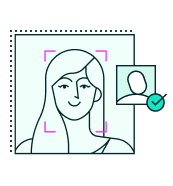
With Veriff’s AI-powered technology, users are asked to take a live selfie to confirm their ‘liveness’ when they enrol or sign up to an online community, such as a dating site. Their uploaded images are then compared to the verified selfie, ensuring these images look the same.
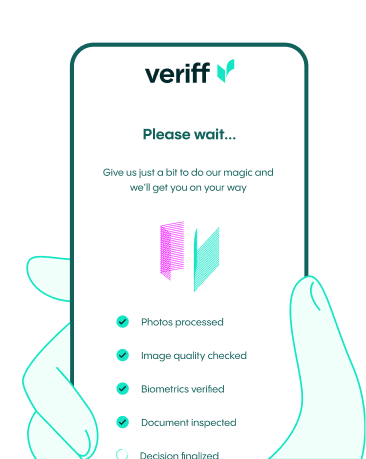
Veriff’s process involves a simple selfie, with results on liveness delivered within a second. The technology also uses biometric authentication, with all uploaded images checked against the verified face to confirm a match – or not. This can also be used every time there’s a new login, ensuring the same person is accessing the account.
User privacy is essential. The verified, real facial image is not shown on the site, protecting their privacy; it is only used in that moment as evidence of liveness and as a reference.
Veriff uses biometric analysis of a simple selfie to enable trusted customers and users to access products securely and quickly – while keeping fraudsters out.
Biometric authentication
Our full-service online identity verification tool empowers online communities to quickly onboard and verify real users.
IDV solution
Our biometric analysis and advanced AI algorithms use a person’s selfie to estimate their age, without requiring them to provide an ID document.
Age estimation
We extract the date of birth from a user’s ID document to calculate their real age, declining users below your predefined minimum age threshold.
Age validation



What the future holds
Part 3
How Veriff can help you fight the AI threat
Technology to identify manipulated images

Biometric analysis of photographs and videos
The ability to identify patterns across verifications and customers
Examination of key device attributes
Veriff’s software development kits are secure and robust by nature because we can control their interactions, making it difficult for fraudsters to digitally inject media into the stream. In effect, we build a hard wrapper around our system, ensuring that content that’s captured or uploaded is valid. We also offer a multi-dimensional approach to tackling the problems faced by financial services organizations:
Veriff’s platform is built on sophisticated models that constantly evolve, providing a multi-layered approach that combines threat-mitigation tools. We treat the absence of data as a risk factor itself and provide a robust and comprehensive check of identity documents.
Ira Bondar, Senior Fraud Group Manager, Veriff
The fraud prevention ecosystem
Veriff is building the infrastructure for trust online. We are doing this by helping digital organizations to do the following three things:
Fight ever-more sophisticated fraud
Achieve growth on a global scale
To do these three things, businesses must ask three key questions of their customers:
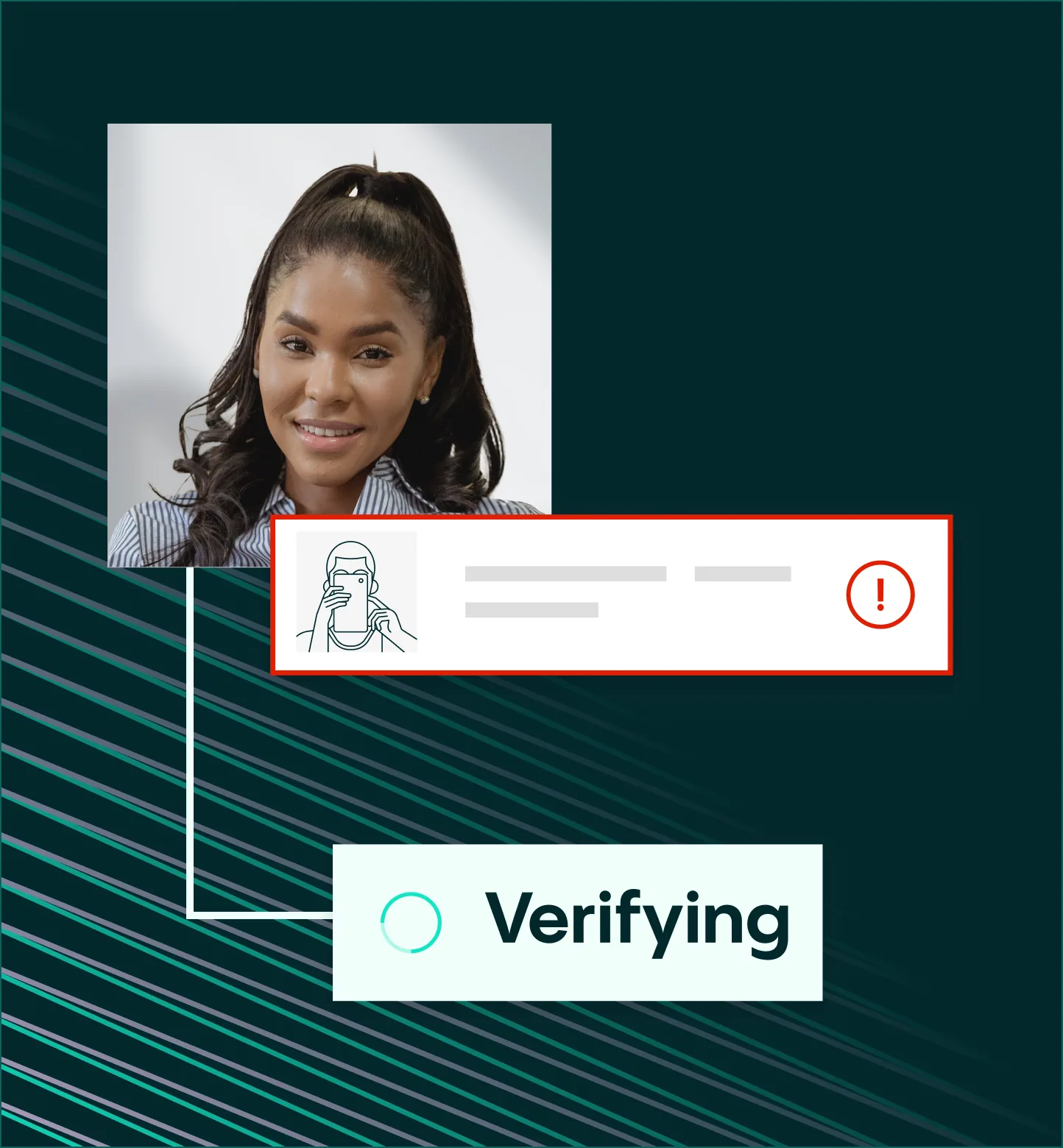
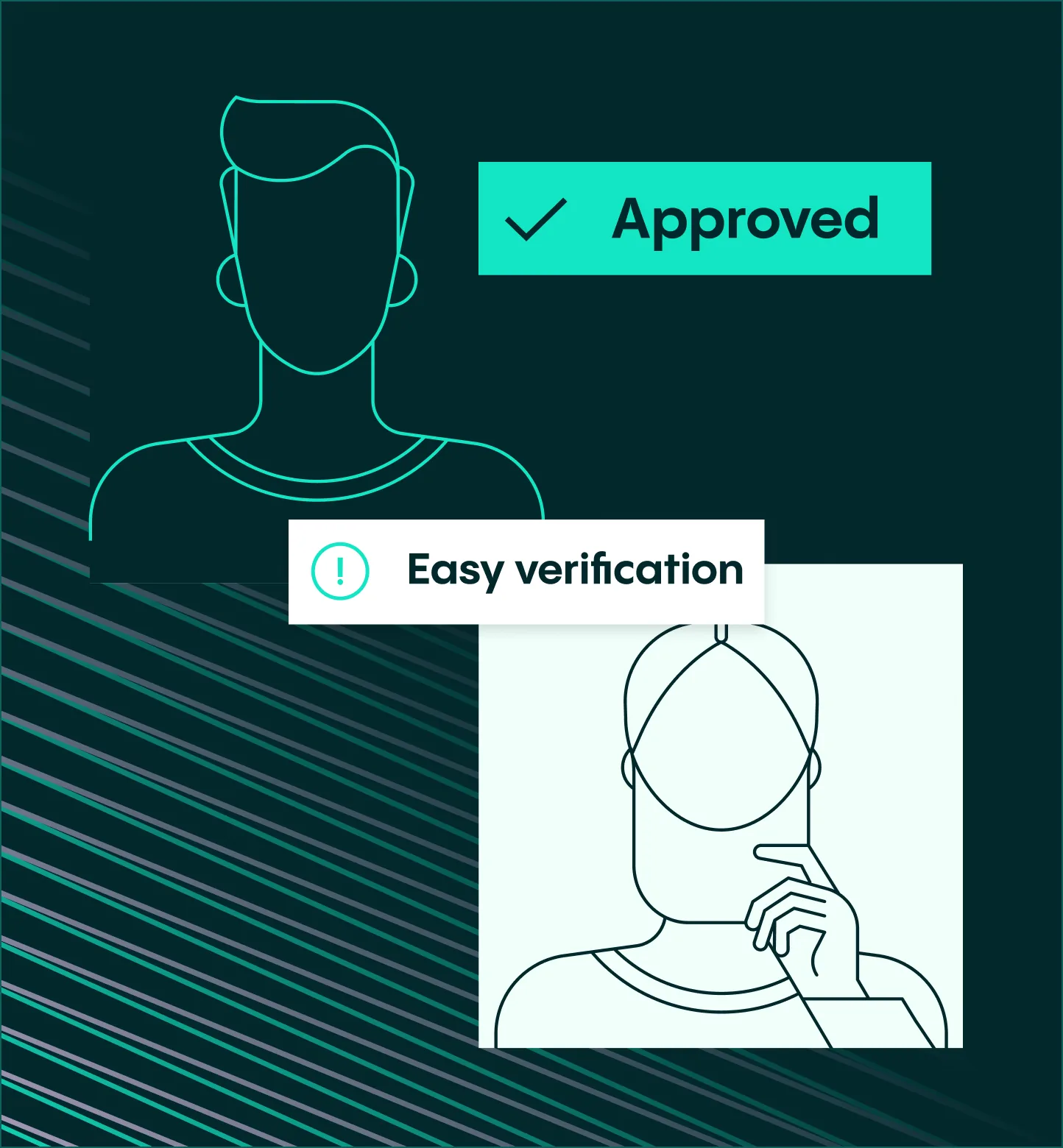
Is this person real at the moment of signing up for an account?
Is this person trusted - are they a potential fraud risk or are they a high-value customer?
Is this still the same real and trusted person logging in throughout the lifetime of that account?


The customer identity solution built to answer the key questions facing businesses
Human thought behind the machine learning
Preparing you for the rise of deepfakes
Veriff uses machine learning to detect patterns or anomalies that identify fraud, including those created with deepfakes. This could involve detecting inconsistencies in facial features, skin texture, or lighting conditions. But even with advanced AI, some deepfakes might be sophisticated enough to fool automated systems. Having trained professionals in our human-in-the-loop review helps us to provide an extra layer of security.
By combining these techniques with ongoing research and development, we aim to stay one step ahead of emerging fraud techniques and safeguard our systems and users against potential threats.
Veriff is uniquely placed because we have the ability to provide positive answers to the challenges facing global businesses in 2025
Our IDV solution verifies users at the point of sign-up to your systems, confirming they are genuine. Our cross-linking and risk scores create a powerful network effect from across our customer base that enables you to determine whether a customer is to be trusted. And our Biometric Authentication solution enables you to ensure the returning user is still the genuine owner of the account throughout that account’s lifespan.
We have been seeing deepfakes for a couple of years already in our customers’ sessions. With the recent generative AI boom, we can see more and more of these kinds of sessions coming in, where the images have been generated with AI. We take a multi-layered approach to combating deepfakes and AI-generated media.
One key strategy is implementing face liveness checks to validate the authenticity of human presence. This involves using algorithms to detect subtle facial movements and responses, ensuring that the individual interacting with our systems is indeed real.
In addition, we employ a variety of checks to validate the legitimacy of documents. This includes leveraging machine learning algorithms to analyze document features and detect anomalies or signs of manipulation, as well as our proprietary document specimen database populated by document experts.
How we do it ⬇️
Our core Document and Identity Verification solution uses advanced AI and is supported by fraud mitigation tools. We deploy machine learning-powered checks, advanced fraud network mitigation strategies, and a team of in-house counter-fraud experts to help protect organizations.
Meanwhile, our Fraud Protect solution helps to identify patterns and deliver actionable insight built on industry expertise, enabling users to approve greater numbers of genuine users and eliminate more fraud. Its elements are:

Which searches for signs of physical or digital data or structural manipulation.
This prevents individuals suspected of fraud from attempting to access your business.
Offers biometric analysis of the user’s selfie image for signs of physical or digital manipulation.
Which collects and analyzes multiple signals from the user’s device and network to identify potential risk.
CrossLinks and RiskScore techniques are something we utilize across our portfolio to build a comprehensive picture of fraud-related danger, including the risks from deepfakes (see below for more detail).
Analyzing the biometric characteristics from a submitted selfie image to ensure that the subject is real and physically present during the verification, as well as checking for signs of manipulation.
DocCheck:
FaceBlock:
FaceCheck:
DeviceCheck:
CrossLinks and RiskScore:
FaceCheck Liveness:
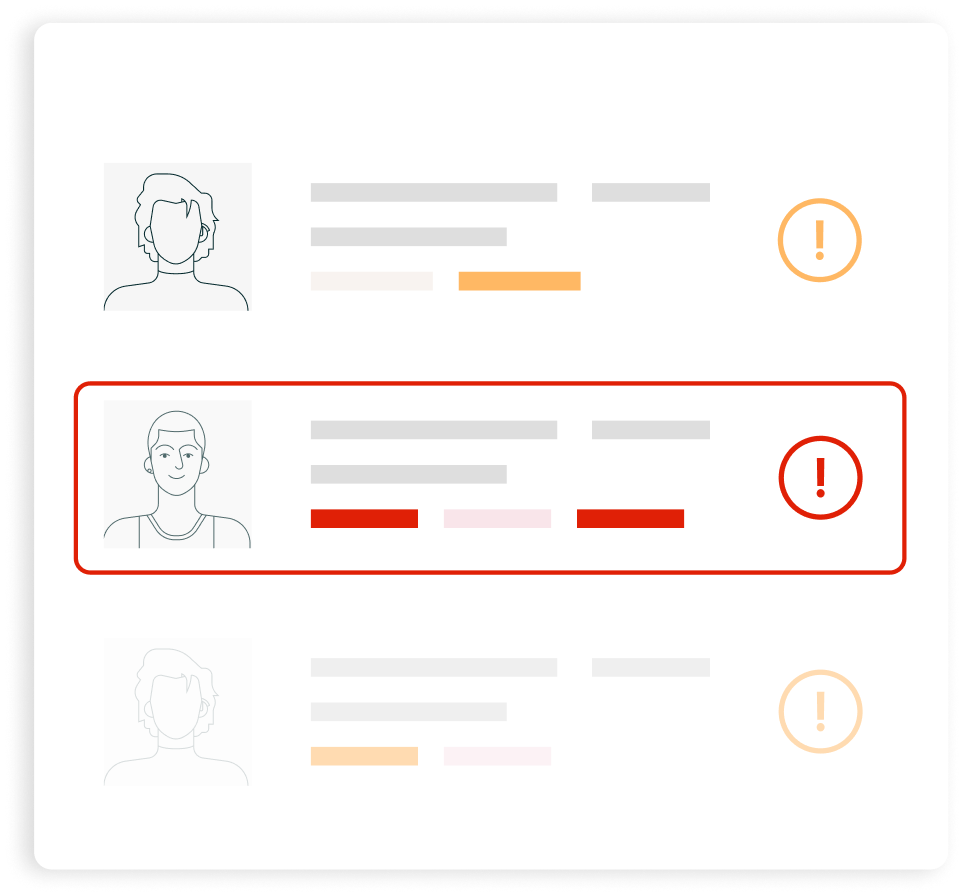


Similarly, our CrossLinks approach - where we are crosslinking multiple pieces of information to derive new insights and fraudulent patterns that are not detectable when analyzing a single session in isolation - means we can group together verifications with similar data points, helping us to identify fraudsters who might use multiple fake identities on different occasions across our network.
This capability has deepened and expanded. We have long been capable of identifying a document that shows up on multiple occasions with the same customer, or the same biometrics, IP address, or device characteristics.
With Industry CrossLinks, we can look cross-customer, within the same industry vertical - for example, looking to see if the same fraudster has been working across our financial services customers - and the fact we work globally means we can spot evolving trends that a customer working on their own would never be aware of. All of this can happen without any personally identifiable information being shared across customers.
This is effective because fraudsters will always try to reuse their tools and tactics across multiple organizations. Even as they turn to machine learning, AI, and deepfakes, they will reuse credentials, templates, and faces. Our Industry CrossLinks capability stops them in their tracks.
CrossLinks in action:
learn more
We have plenty of resources available for you to learn more about fraud, and how to protect your business.
Visit our dedicated Fraud Education Center here

Learn more about the threat of AI and deepfakes here
Discover the cost of fraud with our interactive RoI calculator here
Explore our fraud-prevention solutions here

Veriff is the preferred identity verification and authentication partner for the world’s biggest and best digital companies, including pioneers in fintech, crypto, gaming, and the mobility sectors. We provide advanced technology, deep insights, and expertise from our foundation in digital-first Estonia and honed in leading the digital identity revolution. The partner of choice for businesses who need to rapidly and effortlessly verify online users from anywhere in the world, Veriff delivers the broadest possible identity document coverage.
By supporting government-issued IDs from more than 230 issuing countries and territories and with our intelligent decision engine, which analyzes thousands of technological and behavioral variables, Veriff enables trust from the first hello.

Speak to one of our fraud experts today to discover how we can create customizable fraud protection for your business.