The future of iGaming
How gambling organizations can beat the challenge of fraud









Fueled by the growing digital economy, the global gambling sector is now valued at hundreds of billions of dollars – and expanding all the time. Perhaps unsurprisingly, fraudsters are targeting these riches.
Of course, gambling has always been a target for fraudsters, in everything from bingo to sports betting and casinos. However, digital tools are opening access to players across the world, creating new avenues for criminals.
Companies in the space must shield themselves and their players from these fraudsters, to protect both their revenues and their reputations with customers. They must also ensure they meet anti-money laundering (AML) and know your customer (KYC) regulations, which are growing stricter all the time.
In this report, we collate and analyze our extensive research into gambling/iGaming fraud. The three key resources in focus are the Veriff Identity Fraud Report, an analysis of our in-house data from the frontline of fighting fraud; our Fraud Industry Pulse Survey, based on responses from hundreds of fraud professionals and decision-makers from around the world; and our Fraud Index, which surveyed thousands of consumers across the US, Europe and Latin America.
Introduction
Ira Bondar, Senior Fraud Group Manager, Veriff

All of this research combines to give us a very clear picture on how leaders in the gambling industry should approach the challenges of the coming years. And these challenges largely boil down to gambling organizations answering three questions about both their players and employees:

Is your player/employee real?
Is this player/employee of value to you or a potential cost?
Is the answer to those questions still the same on an ongoing basis?
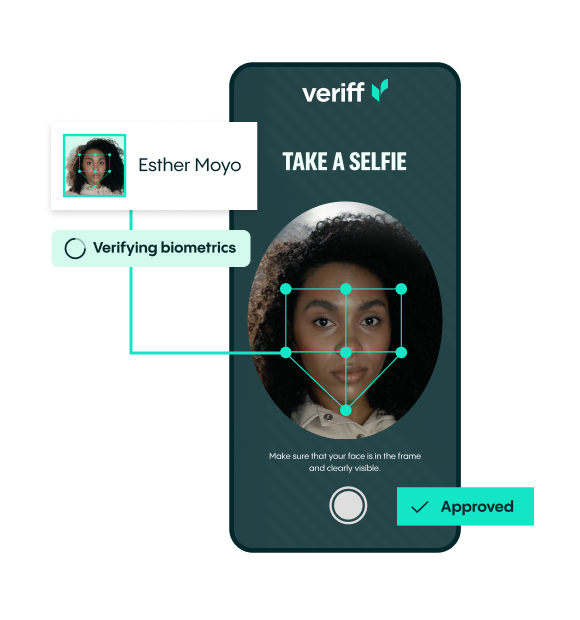
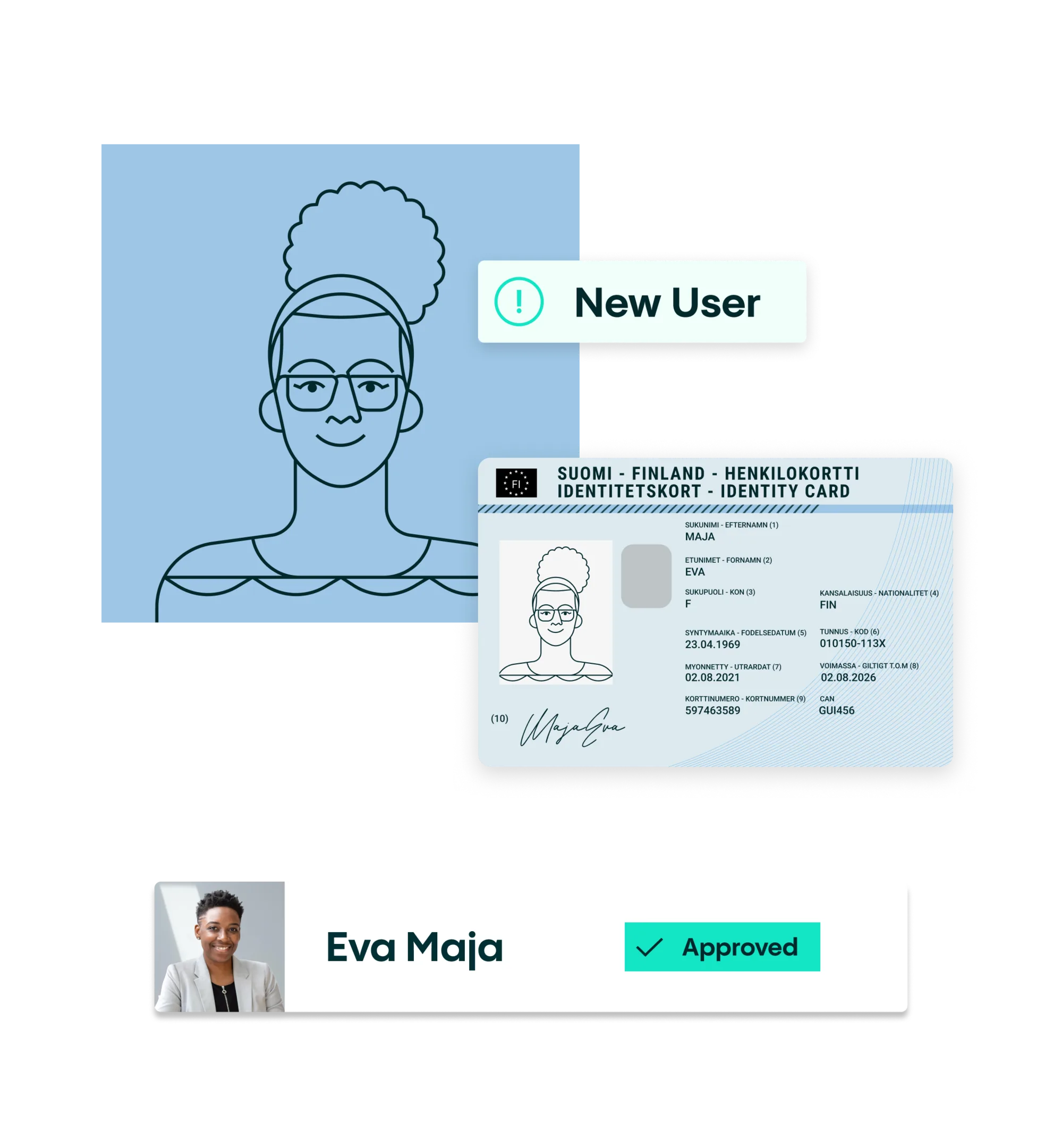
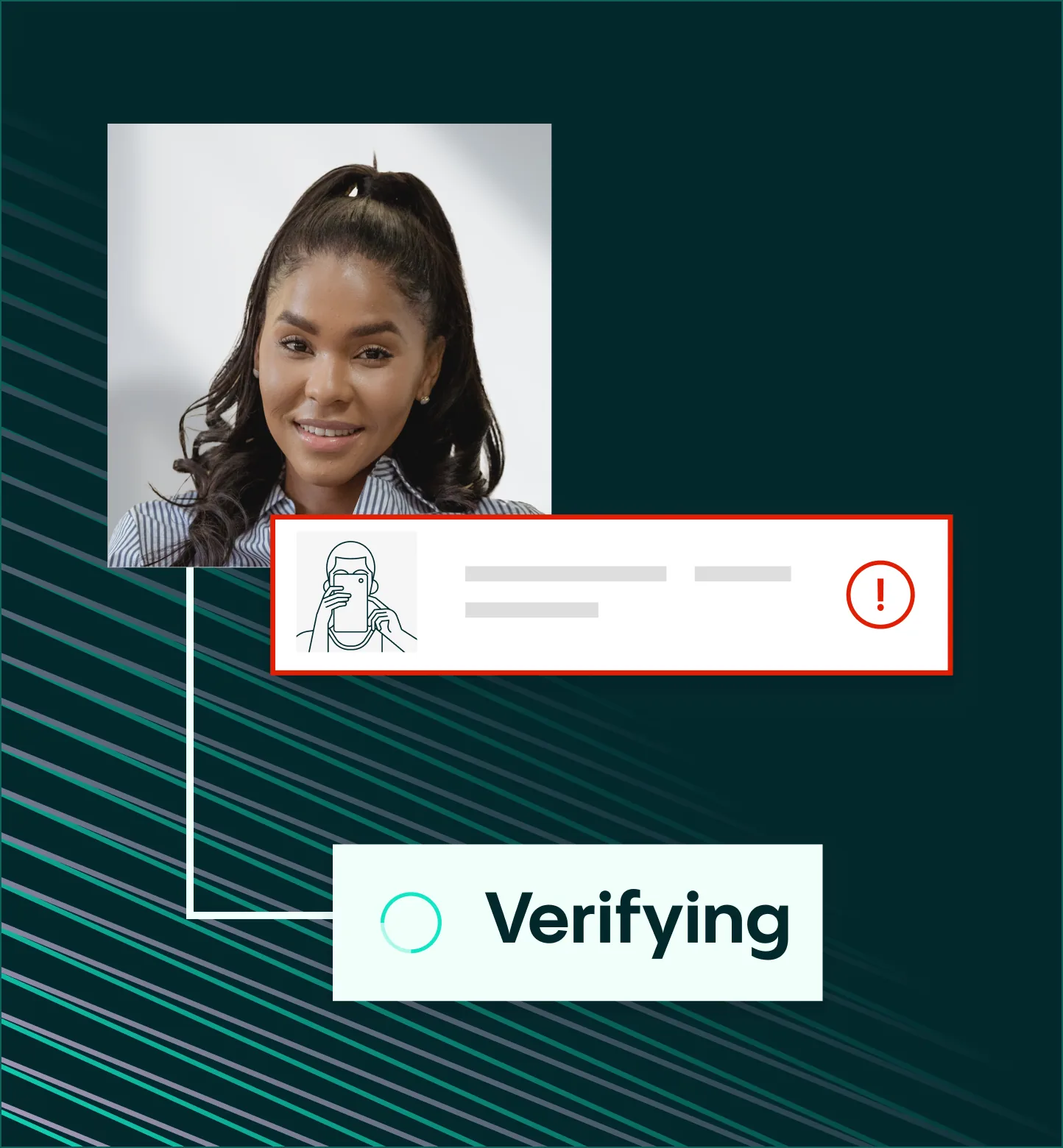
Through a photo of their government-issue ID and a simple selfie, we can tell immediately if something is wrong with an image or video. We can detect liveness and realness without asking users to move unnaturally or follow complex instructions – in other words, we can ensure they really exist and that they are who they claim to be.
We can determine at the onboarding stage if the person is a potential customer or employee of value – or if they simply cannot be trusted. With our cross-linking capabilities, we take huge amounts of data and search for patterns, helping us identify potential fraudsters who target certain industries. Of course, if they’re a legitimate customer or employee, the process is smooth and safe, building security – and your company’s reputation.
Can you ensure that users of your platform and your employees are who they say they are every time they engage with your systems? Reauthentication of customers and employees is absolutely critical. With biometric authentication, users are promptly and securely authenticated across all stage of their user journey. We know they are who they say they are because we can quickly check the information already on file.



This report outlines the growing danger that fraudsters pose to gambling and iGaming. But it also highlights a future of opportunity: if companies can strike the right balance between security and customer enjoyment, they can look to continued success.
With IDV, biometrics and AI, you can secure your stakeholders, answer those three crucial questions, and enjoy the opportunities of a digital future.
Key takeaways
Part 1
Fraud is on the rise in the gambling industry
Gambling organizations face unique threats
A focus on AML and KYC
The IDV advantage
Unfortunately, the danger from fraudsters seems to only be going up. We found a 21% rise in fraud between our 2024 and 2025 fraud reports.
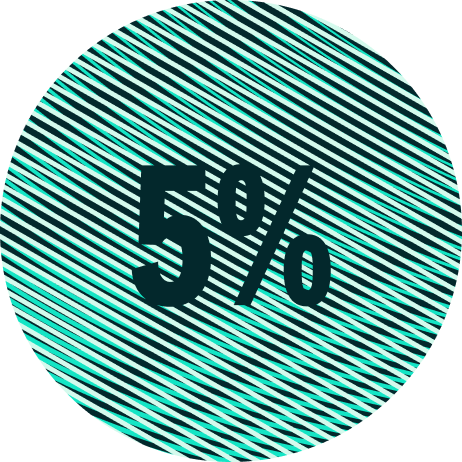
What’s more, the report showed that no fewer than 1 in 20 verification attempts in 2024 were fraudulent: someone pretending to be someone else.
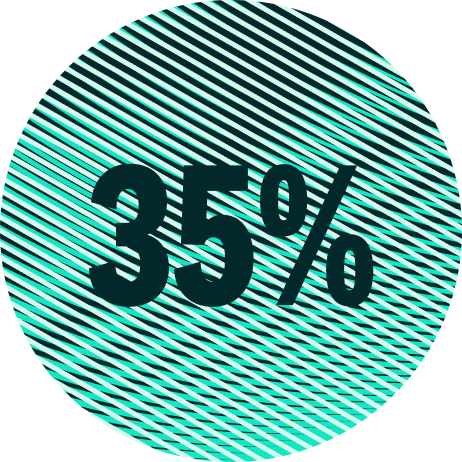
And there’s a real financial impact. For more than a third of US respondents (35%) in our Fraud Index 2024, there was at least some financial loss to fraud, with 13% of fraud decision-makers globally reporting that fraud cost their organization up to 20% of their revenue a year. This ‘fraud tax’ that gambling organizations are paying is unsustainable and needs to be addressed quickly, as it is only going to get worse.
The industry saw a big rise in physical adversary-in-the-middle attacks in 2024, an alarming type of fraud that relies on some form of physical coercion or forced participation.
Multi-accounting, identity farming, bot attacks, and account takeover have become increasingly prevalent in this vertical.
Anti-money laundering (AML) concerns are a major focus in gambling/iGaming. The global AML gambling and gaming ecosystem is evolving rapidly, with countries tightening financial crime controls to ensure industry integrity.
Likewise, know your customer (KYC) is a crucial focus. Companies must ensure players’ personal information is handled appropriately and safeguarded.
Gambling organizations must keep a tight watch on regulatory requirements to ensure they stay on the right side of the law and to boost security for their customers – and their reputations.
The vast majority of respondents (83%) in this year’s Pulse Survey say they have already adopted some version of IDV software and/or biometrics technology into their processes.
The survey showed that 81% of respondents plan to boost their dependence on IDV and biometrics in the coming years. These forward-thinkers also reported that utilizing this technology had led to a major decrease in fraud rates.




AI is a threat and an opportunity
AI is a growing danger for organizations in all sectors, with 60.5% of respondents to our Pulse Survey 2025 reporting an increased use of AI in attacks.
On the other hand, fraud professionals also see the potential it offers to strengthen their defenses, with almost two-thirds of US respondents (64%) already using AI/machine learning in fraud prevention, with a further 20% planning to do so in the next 12 months.

The fraud threat for gambling platforms
Part 2
Fraud is on the rise
The global gambling industry has surged past $471 billion, with predictions that it will expand to reach almost $540 billion in 2029. But with growth comes increased risks, particularly around financial crime.
As the landscape of iGaming continues to evolve across poker, bingo, sports betting, and casinos, so do the tactics employed by fraudsters. With increasing digitalization, fraudsters exploit vulnerabilities in identity verification, bonus offers, transaction monitoring, and account takeover to commit financial crimes.
All of this takes place against a rapidly evolving fraud landscape, affecting all sectors.
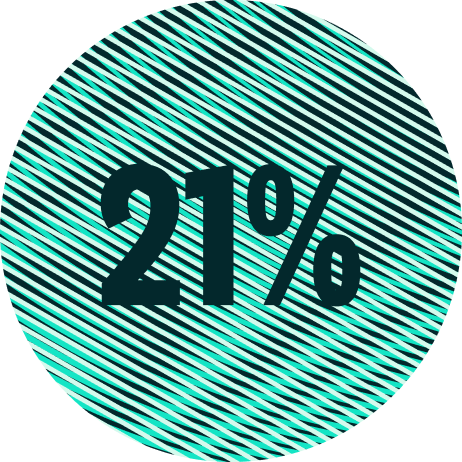
The increase in year-on-year online fraud since our 2024 report, a clear indication of the growing threat.
The percentage of all verification attempts in 2024 that we found to be fraudulent. This means that no fewer than 1 in 20 verification attempts involved someone pretending to be someone else.
The fraud threat is growing all the time, posing significant dangers for any sector where significant money changes hands – with gambling and iGaming high on the list.
In our latest Fraud Report, we analyzed global customer data from across 2024, including data related to our gambling and iGaming customers. The main story is sadly familiar: online fraud is on the rise.
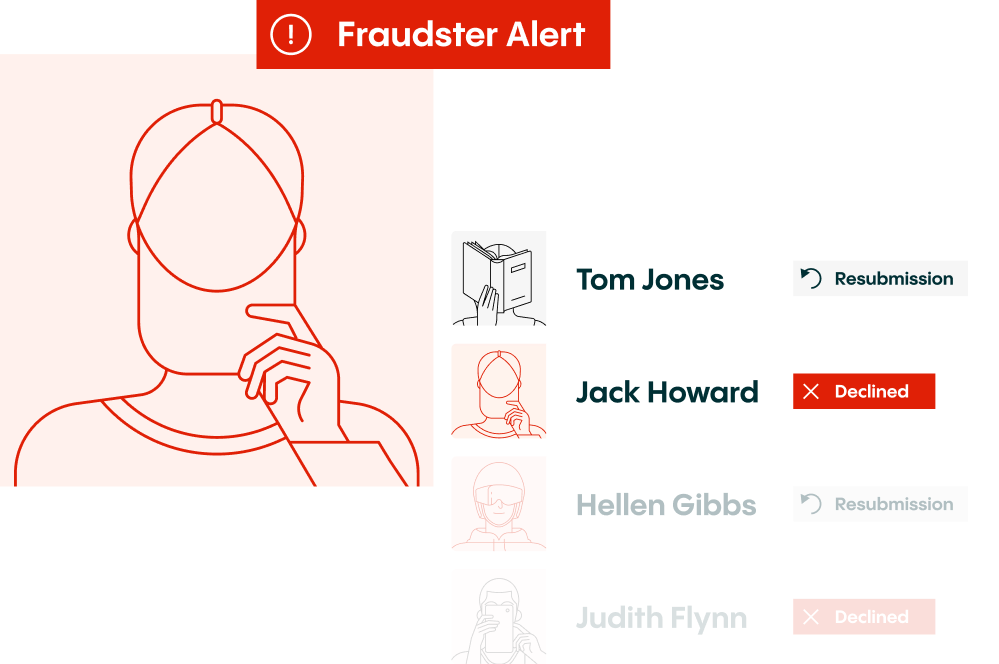
The same old story
We’ve seen this theme again and again. In our 2024 Fraud Index, for instance, we surveyed end users on their experiences of online fraud, including US and UK consumers of gambling and iGaming services. Two stats stood out:
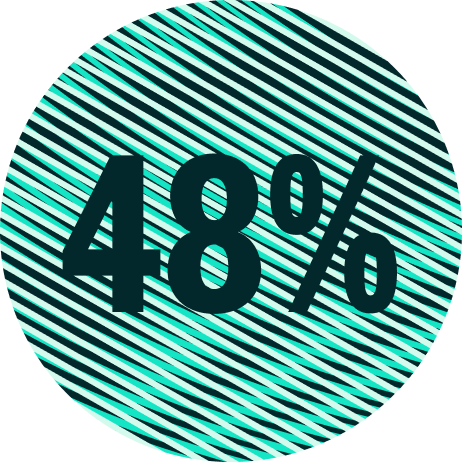
Respondents who had experienced online fraud in the preceding 12 months.
US consumers who experienced at least some financial loss from fraud, with 1% losing more than $1,000. And it’s not limited to the US – a quarter of UK respondents suffered at least some loss.
The growing danger was also highlighted in our Fraud Industry Pulse Report 2025, where we surveyed 200 fraud professionals and decision-makers in a range of sectors, including gambling. Most of our respondents (72%) said they had seen an increase in online fraud in the past 12 months, with a similar proportion (75.5%) saying fraud has hurt their revenue.
Gambling has always been a target for fraudsters and other criminals because of the cash that changes hands. If you consider the potential financial implications of fraud as even a small percentage of revenues, it could represent huge sums.
Ira Bondar, Senior Fraud Group Manager, Veriff


A third (32%) have suffered a 3-5% reduction – for a business with revenue of $1 million, that could mean a loss of $50k per year, just to fraudsters.
3-5% reduction
Unique threats to gambling
Our Fraud Report uncovered specific threats to the iGaming and gambling sector.
Perhaps unsurprisingly, the industry saw a big rise in adversary-in-the-middle attacks in 2024.
With sign-up and other bonuses on offer, multi-accounting, identity farming, and account takeover have become increasingly prevalent in this vertical – with physical adversary-in-the-middle attacks the means used to drive these fraud tactics.
Identity fraud
Types of iGaming fraud and their impact
Money laundering
Bonus Abuse
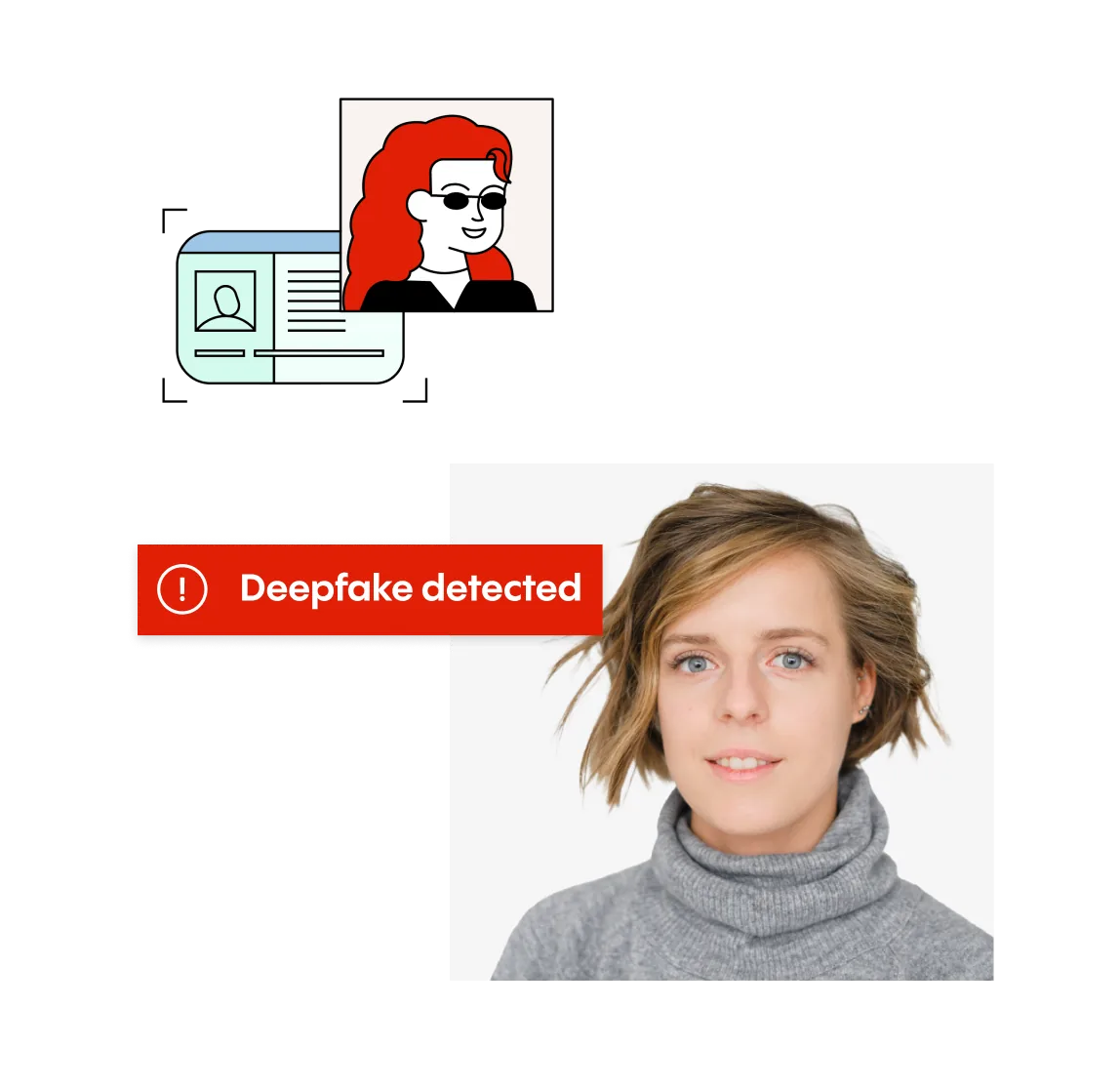
Fraudsters use deepfake technology to create synthetic identities, bypassing KYC and AML checks. These fake accounts exploit promotional bonuses and enable multi-accounting fraud. Additionally, fraudulent behaviors like multi-accounting and identity theft can exploit gambling accounts to manipulate bonuses, launder money, or conduct chargeback fraud, highlighting the importance of strict verification measures to protect these accounts from fraudsters.
Prevention strategy: Implement biometric authentication, age validation, and age estimation solutions.
Online casinos and sportsbooks are often misused for illicit fund transfers through high-value bets and structured withdrawals.
Prevention strategy: Enforce transaction monitoring, risk-based AML protocols, and comply with all relevant AML laws and guidelines, both on a local basis and internationally.
Fraudsters exploit welcome bonuses by creating multiple fake accounts. VPNs and Tor browsers further conceal their activities, making detection harder. This type of exploitation is known as bonus abuse fraud, where strategies like 'bonus hunting' are used to manipulate promotional offers.
Prevention strategy: Deploy device fingerprinting and IP analysis to detect suspicious behavior.


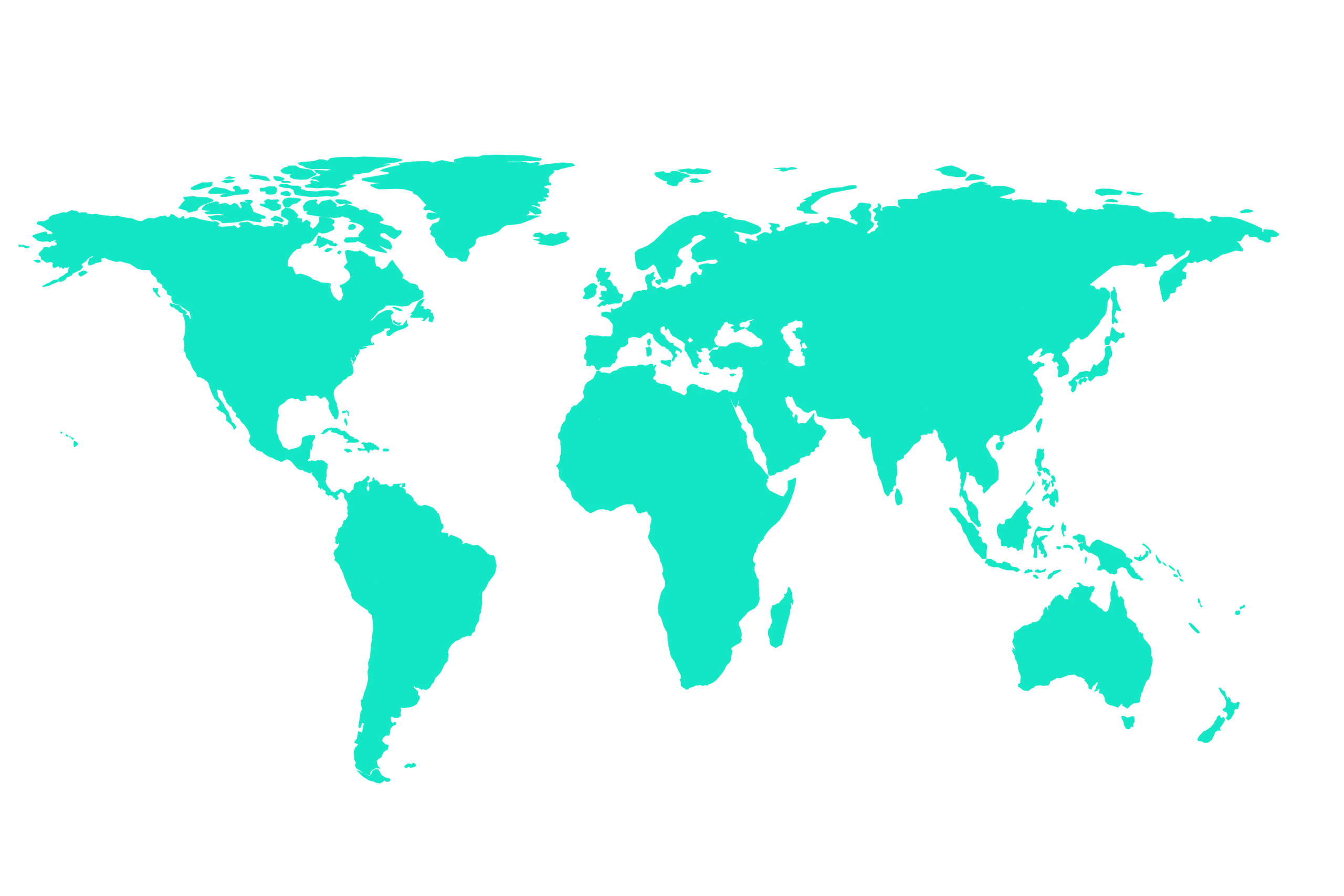
Click on the pins to learn about the regions
United States
The US shows a concerning trend, with a significant increase in fraud attempts in the video gaming industry (an 11.7% year on year increase). This suggests potential tactics include identity theft to create fake accounts, bonus abuse through exploiting promotions or in-game rewards, and potentially money laundering via in-game transactions or virtual item trading.
UK
Despite seeing a decrease in net fraud rate (3.97% in 2024 vs 4.55% in 2023), the region remains prone to identity fraud. We witness identity theft attempts for fraudulent account creation, money laundering through the anonymity of online gaming platforms and in-game transactions, and various cyber threats like account takeovers and phishing attacks targeting gamers.
Latin America
The consistently high fraud rate (6.48% in 2024) points toward prevalent identity theft for creating accounts and making fraudulent in-app purchases, bonus abuse by exploiting new account sign-up incentives and other promotions, and potentially money laundering through in-game transactions or virtual item trading.
Our research found shifting patterns around the globe. Let’s take a look at some major national and regional trends.
Our fraud rates have decreased and our conversion times have come down considerably - where before we would say to a customer that we would get back to them in 24-48 hours to validate their account, we can now do it in less than a minute. That builds a huge amount of confidence in our brand and trust in our business, and it’s one of the reasons our moves into these markets have been such a success.
Erick Sapién, Gana777’s country manager for Mexico


There is a diverse and complex regulatory setup across the region, with differing approaches to areas like sports betting, for instance. It’s vital that operators conduct their research before entering the rapidly growing market, partnering with providers like Veriff who are accustomed to operating across borders and can deliver the appropriate expertise.
A good example of this is the case study of Gana777, a European land-based casino operator that has also built out a thriving digital businesses and has successfully used Veriff to expand into Latin American markets.
Optimized onboarding processes are such a key part of Gana777’s culture, so it was critical to work with a customer verification partner that understood both the need for speed and how accuracy would power the company’s growth.
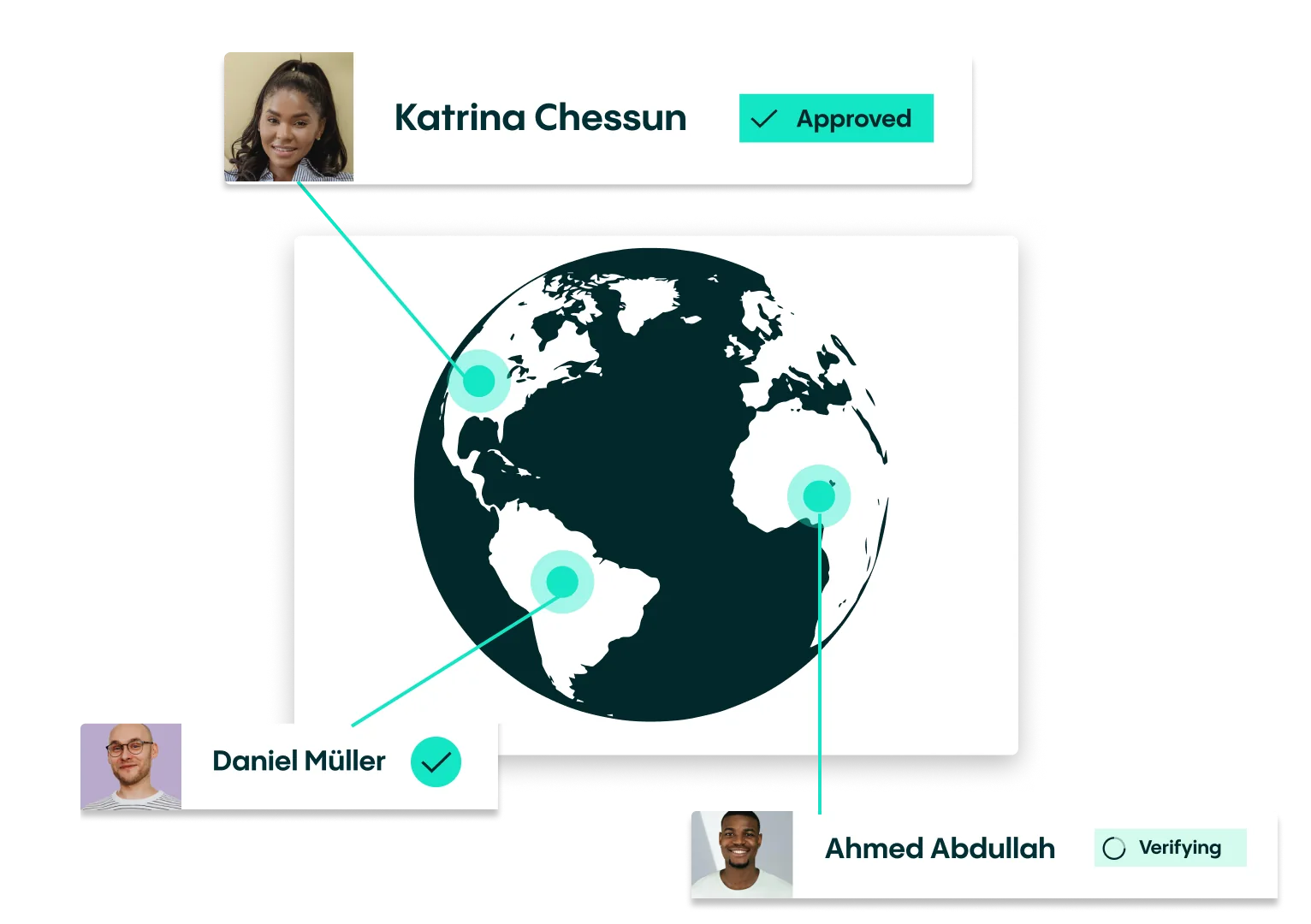
“Veriff has been critical to our growth in Latin America,” said Erick Sapién, Gana777’s country manager for Mexico. “One of the main things we were looking for in a partner was the ability to help us scale into new countries. Veriff has a database of more than 12,000 government identity documents from all across the globe, so it gives us the confidence to move into new markets knowing we won’t suffer from fraudulent attacks.”
“We have to verify a customer accurately and as quickly as we can, because the sooner we can get them verified the more likely they are to deposit money and start playing with us,” Sapién continued.
“Veriff has been a huge help to us on this. We can now verify customers are genuine super quickly and with no impact to their customer journey, and that helps us build trust with them and increases the lifetime value of a customer exponentially.
Anti-money laundering (AML) concerns are a major focus in gambling/iGaming. The global AML gambling and gaming ecosystem is evolving rapidly, with countries tightening financial crime controls to ensure industry integrity. Whether in the US, UK, or LATAM, regulatory compliance is no longer optional – it's a critical driver of trust and long-term success.
Customer preferences
Market trends
Regional influences
Macroeconomic factors
AML-compliant online gambling platforms have become a preferred choice for players due to their convenience and accessibility. The ability to gamble anytime, anywhere, has positioned these platforms as a dominant force in the industry. With a wide variety of games and betting options tailored to diverse customer segments, operators can successfully capture a broad user base.
Mobile gambling is a transformative trend, powered by the widespread adoption of smartphones and high-speed internet. Operators are capitalizing on this shift, offering seamless, mobile-optimized platforms to enhance user experience. Social features such as chat rooms and leaderboards are further integrated to boost engagement and foster community-driven interactions, strengthening user loyalty.
Regulatory frameworks play a critical role in shaping market dynamics. In regions with legalized and regulated online gambling, secure environments encourage participation from both operators and players, driving growth. Conversely, restrictive or prohibitive regulations present legal complexities, often redirecting players to offshore platforms, resulting in revenue loss for local markets.
Regions with higher disposable incomes and strong consumer spending will see increased demand for online gambling services. Moreover, the availability of high-speed internet and secure payment systems is essential to delivering reliable online gambling experiences, further driving adoption in well-equipped regions.




Unique threats to gambling
The KYC challenge
As with AML, know your customer (KYC) requirements are a central concern in the gambling vertical.
KYC is a process used by platform operators to verify the identity of their users to prevent fraud and money laundering and to ensure compliance with legal requirements. By conducting these checks, a gaming company can stop bad actors and fraudsters from accessing their platform.
Much like how a gambling company must provide its users with fair games and a secure gaming environment, these companies must also ensure users’ personal information is being handled appropriately and safeguarded.
Not only does effective KYC protect the company from bad actors, but it also helps protect users and their personal information. KYC makes the online gaming industry a safer place for everyone.
Companies must demonstrate to customers that their processes aim to:
- Protect both the company and players from bad actors and fraudsters
- Comply with the latest global regulations
- Deliver a seamless, trustworthy, and user-friendly experience
Typically, documents required for KYC verification include a government-issued ID (passport, driver’s license, national ID card), proof of address (utility bill, bank statement), and sometimes a selfie or photo for facial verification.
The verification process can vary but usually takes between a few minutes to a few days, depending on the operator’s procedures and the completeness of the submitted documents.
Our identity verification solution can help gaming providers safely and confidently welcome genuine players from across the world. With an unprecedented document database and a seamless user experience, Veriff helps you sign up players quickly and conveniently.
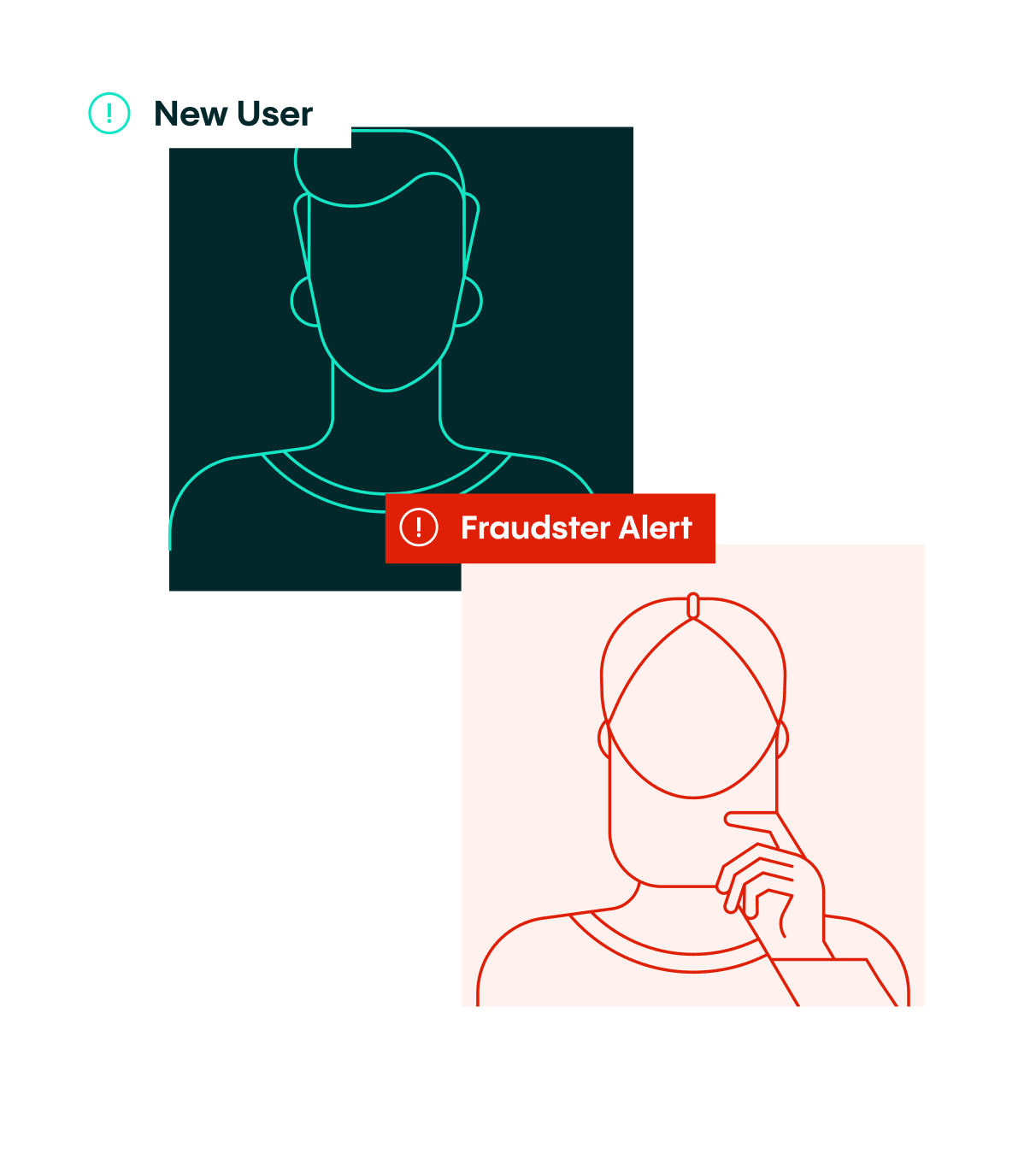
Gambling organizations face a complex regulatory environment, particularly if they operate across nations and regions. It’s important to work with a provider who understands the legal environment around the world and can support your organization in its continued growth.
Ira Bondar, Senior Fraud Group Manager, Veriff
How Veriff is helping return trust to the iGaming and gambling industry
Part 3
We had a backlog of hundreds of thousands of identity documents that were awaiting verification. Some customers were waiting weeks. Since then, with Veriff’s help, we’ve been able to deal with that backlog. Veriff is so much faster than our manual in-house solution. It would be embarrassing to share how much faster it is!
Dan Richardson, Chief Product Officer at Easy.go

Verifying customer age and residency at speed and scale can be a major challenge for online casinos and online gaming companies. Veriff’s partnership with Easygo and Stake, however, shows it is possible to expedite checks without impacting customer experience.
Easygo is a global software development startup which focuses on disruptive technology within the online gaming sector. The company is renowned for the cutting-edge design of its casino games, crypto platforms, and sportsbooks, all built on Easygo’s “provably fair” algorithms. The founders of Easygo are the brains behind Stake.us and Stake.com, the world’s biggest online cryptocurrency casino.
Prior to Easygo’s partnership with Veriff, its subsidiary Stake.us, like many online casinos, carried out manual in-house KYC screening. This process involved an ID verification team, based in Serbia, looking at thousands of individual customer documents and using a point-by-point checklist to determine if they were compliant.
Needless to say, this analogue approach was incredibly labor intensive, costly and caused a huge bottleneck in the customer-onboarding process. Thousands of customers had to routinely wait a week or longer before their ID was verified and they could meaningfully participate on Stake.us.
Fraudsters were also bombarding the website with fake ID documents, slowing down Stake.us’ entire verification system and seriously impacting the experience of genuine customers.
Easygo had previously worked with third parties in an attempt to develop an automated verification system, but it was unable to process the wide range of identity documents issued at US state level.
What was the immediate impact of implementing Veriff on the onboarding process?
Veriff was able to clear Stake.us’ ID verification backlog immediately and provide near-real-time validation from that point forward.
Authentic customers were also able to fully participate much earlier, while fraudsters and other bad actors were immediately identified and removed from the verification pipeline.
The speed and accuracy of Veriff’s platform meant that the Easygo team no longer needed to devote precious time and resources to the verification process. Instead, they could focus on other key goals such as improving customer experience and site profitability.
The digital identity revolution in iGaming
The digital identity revolution is transforming the iGaming industry, enabling online gaming companies to streamline their onboarding processes and enhance the customer experience. Digital identity verification solutions, such as Veriff, leverage advanced technologies like AI and machine learning to verify identities in real-time. This not only reduces the risk of fraud but also ensures compliance with regulatory requirements.
These solutions provide a seamless and secure onboarding experience, allowing customers to quickly and easily access casino games and other online gaming services. By adopting digital identity verification, online gaming companies can expand their customer base, increase revenue, and maintain a competitive edge in the market. The integration of these advanced technologies marks a significant shift in how the industry approaches identity verification, setting new standards for efficiency and security.
“Gambling has seized the opportunities of the digital domain,” said Bondar. “That presents both risks and opportunities, but with the right IDV solution, you can help your customers enjoy your products – while ensuring their safety.”
Veriff’s role in AML, KYC and beyond
In the fast-paced world of online gaming, operators are under pressure to deliver seamless user experiences while staying compliant with ever-evolving regulations. From onboarding real players to detecting and preventing fraud, the demands are high. That’s where Veriff comes in.
Conversion is everything in gaming – and nothing stalls growth like clunky verification flows. Veriff enables smooth, first-time verification for real players with a fast, user-friendly process that improves conversion rates. Our system helps ensure your players can start gaming without unnecessary delays or do-overs.
Verify players the first time
Manual data entry can lead to errors that frustrate users and slow down onboarding. Veriff reduces this risk with AI-driven data extraction, which pre-fills information from government-issued IDs. It’s fast, accurate, and helps avoid unnecessary support tickets caused by simple mistakes.
Reduce errors with smart automation
We streamline the player onboarding experience with an intuitive, inclusive flow that works across platforms, whether your users prefer iOS, Android, or web. No friction, no frustration – just an easy path to gameplay.
Make onboarding simple
Fraud in gaming is evolving, and so are we. Veriff offers a multi-layered defense that includes face and document checks, device and network diagnostics, and video-based behavior analysis. From bonus abuse to chip dumping and multi-accounting, we help you stay one step ahead.
Take a layered approach to fraud prevention

Veriff’s identity verification suite is designed to meet the high-speed, high-stakes demands of the iGaming industry. From seamless age validation that goes beyond simple document checks to advanced device and behavioral analytics that prevent underage access, Veriff helps operators stay compliant and build trust.
What the future holds
Part 4
How Veriff can help you fight the AI threat
Technology to identify manipulated images

Biometric analysis of photographs and videos
The ability to identify patterns across verifications and customers
Examination of key device attributes
Veriff’s software development kits are secure and robust by nature because we can control their interactions, making it difficult for fraudsters to digitally inject media into the stream. In effect, we build a hard wrapper around our system, ensuring that content that’s captured or uploaded is valid. We also offer a multi-dimensional approach to tackling the problems faced by financial services organizations:
Veriff’s platform is built on sophisticated models that constantly evolve, providing a multi-layered approach that combines threat-mitigation tools. We treat the absence of data as a risk factor itself and provide a robust and comprehensive check of identity documents.
Ira Bondar, Senior Fraud Group Manager, Veriff
The fraud prevention ecosystem
Veriff is building the infrastructure for trust online. We are doing this by helping digital organizations to do the following three things:
Fight ever-more sophisticated fraud
Achieve growth on a global scale
To do these three things, businesses must ask three key questions of their customers:
Is this person real at the moment of signing up for an account?
Is this person trusted - are they a potential fraud risk or are they a high-value customer?
Is this still the same real and trusted person logging in throughout the lifetime of that account?
The customer identity solution built to answer the key questions facing businesses
Human thought behind the machine learning
Preparing you for the rise of deepfakes
Veriff uses machine learning to detect patterns or anomalies that identify fraud, including those created with deepfakes. This could involve detecting inconsistencies in facial features, skin texture, or lighting conditions. But even with advanced AI, some deepfakes might be sophisticated enough to fool automated systems. Having trained professionals in our human-in-the-loop review helps us to provide an extra layer of security.
By combining these techniques with ongoing research and development, we aim to stay one step ahead of emerging fraud techniques and safeguard our systems and users against potential threats.
Veriff is uniquely placed because we have the ability to provide positive answers to the challenges facing global businesses in 2025
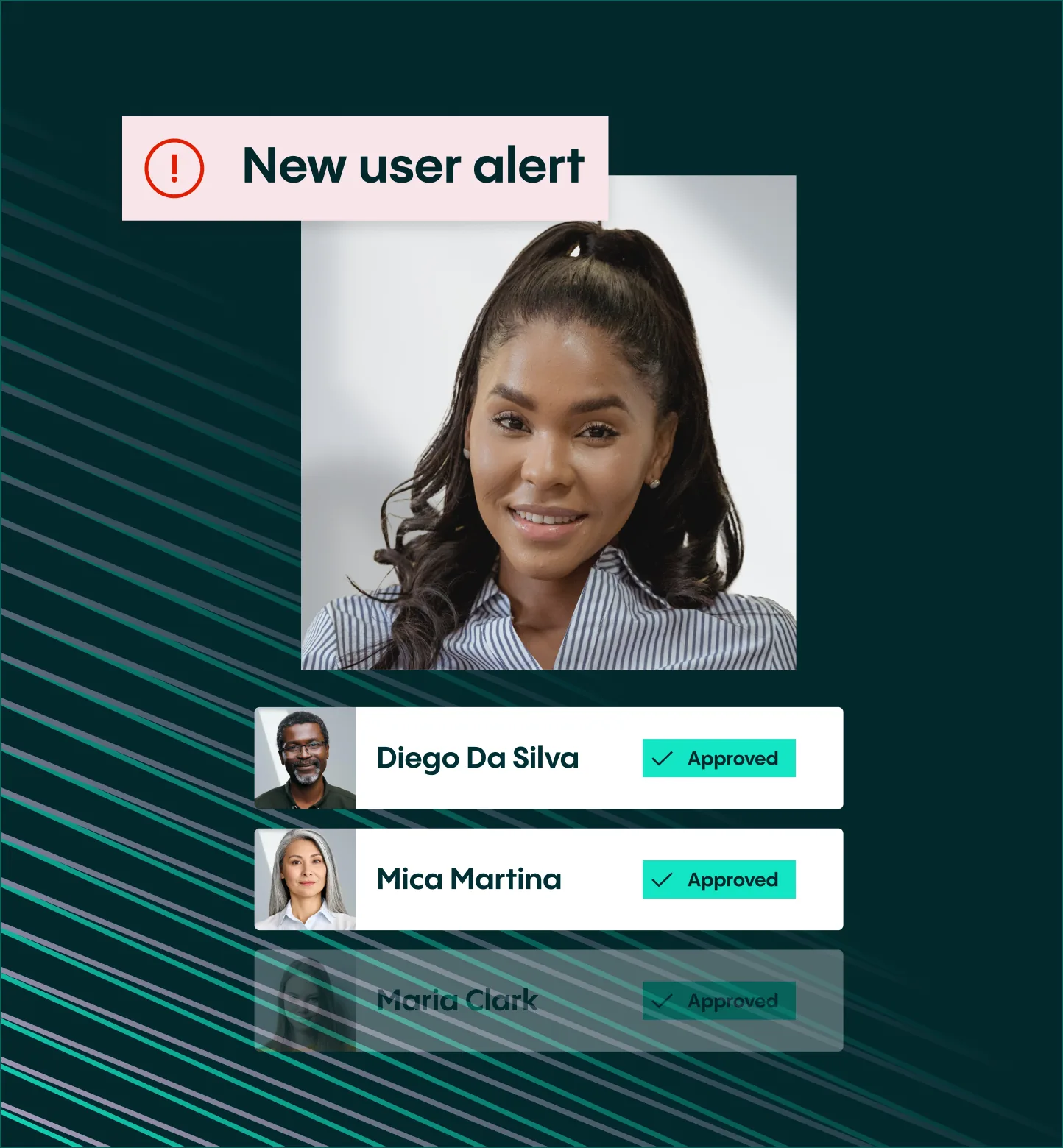
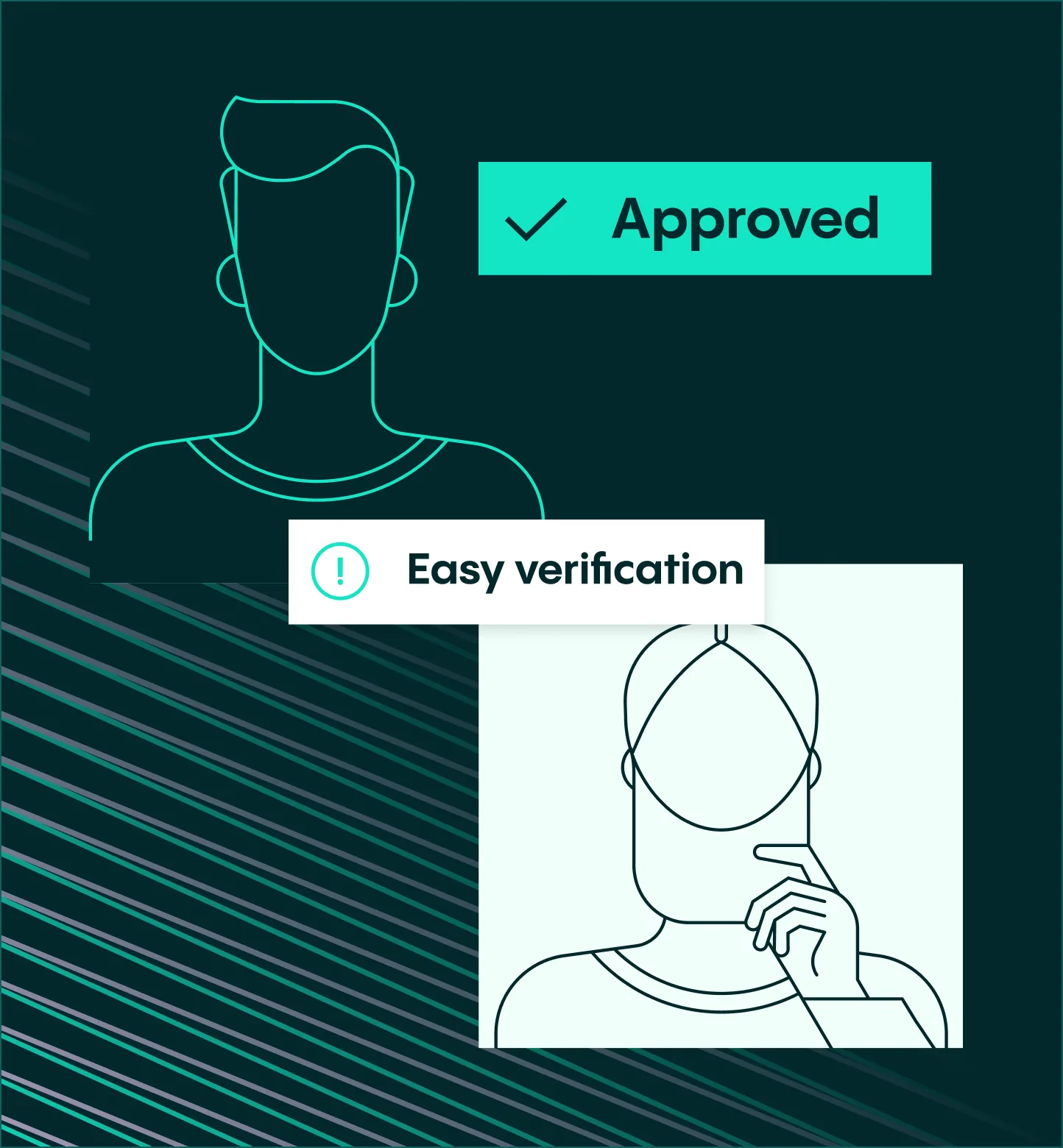
Our IDV solution verifies users at the point of sign-up to your systems, confirming they are genuine. Our cross-linking and risk scores create a powerful network effect from across our customer base that enables you to determine whether a customer is to be trusted. And our Biometric Authentication solution enables you to ensure the returning user is still the genuine owner of the account throughout that account’s lifespan.
We have been seeing deepfakes for a couple of years already in our customers’ sessions. With the recent generative AI boom, we can see more and more of these kinds of sessions coming in, where the images have been generated with AI. We take a multi-layered approach to combating deepfakes and AI-generated media.
One key strategy is implementing face liveness checks to validate the authenticity of human presence. This involves using algorithms to detect subtle facial movements and responses, ensuring that the individual interacting with our systems is indeed real.
In addition, we employ a variety of checks to validate the legitimacy of documents. This includes leveraging machine learning algorithms to analyze document features and detect anomalies or signs of manipulation, as well as our proprietary document specimen database populated by document experts.
How we do it ⬇️
Our core Document and Identity Verification solution uses advanced AI and is supported by fraud mitigation tools. We deploy machine learning-powered checks, advanced fraud network mitigation strategies, and a team of in-house counter-fraud experts to help protect organizations.
Meanwhile, our Fraud Protect solution helps to identify patterns and deliver actionable insight built on industry expertise, enabling users to approve greater numbers of genuine users and eliminate more fraud. Its elements are:

Which searches for signs of physical or digital data or structural manipulation.
This prevents individuals suspected of fraud from attempting to access your business.
Offers biometric analysis of the user’s selfie image for signs of physical or digital manipulation.
Which collects and analyzes multiple signals from the user’s device and network to identify potential risk.
CrossLinks and RiskScore techniques are something we utilize across our portfolio to build a comprehensive picture of fraud-related danger, including the risks from deepfakes (see below for more detail).
Analyzing the biometric characteristics from a submitted selfie image to ensure that the subject is real and physically present during the verification, as well as checking for signs of manipulation.
DocCheck:
FaceBlock:
FaceCheck:
DeviceCheck:
CrossLinks and RiskScore:
FaceCheck Liveness:
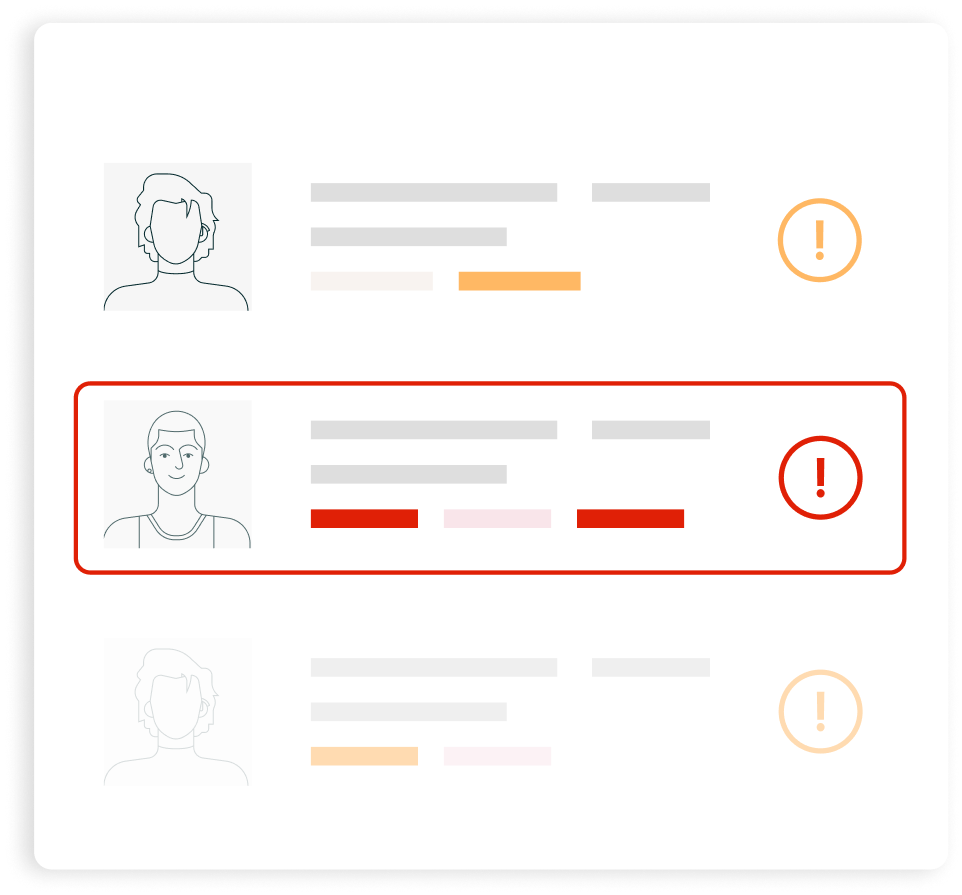


Similarly, our CrossLinks approach - where we are crosslinking multiple pieces of information to derive new insights and fraudulent patterns that are not detectable when analyzing a single session in isolation - means we can group together verifications with similar data points, helping us to identify fraudsters who might use multiple fake identities on different occasions across our network.
This capability has deepened and expanded. We have long been capable of identifying a document that shows up on multiple occasions with the same customer, or the same biometrics, IP address, or device characteristics.
With Industry CrossLinks, we can look cross-customer, within the same industry vertical - for example, looking to see if the same fraudster has been working across our financial services customers - and the fact we work globally means we can spot evolving trends that a customer working on their own would never be aware of. All of this can happen without any personally identifiable information being shared across customers.
This is effective because fraudsters will always try to reuse their tools and tactics across multiple organizations. Even as they turn to machine learning, AI, and deepfakes, they will reuse credentials, templates, and faces. Our Industry CrossLinks capability stops them in their tracks.
CrossLinks in action:
learn more
We have plenty of resources available for you to learn more about fraud, and how to protect your business.
Visit our dedicated Fraud Education Center here

Learn more about the threat of AI and deepfakes here
Discover the cost of fraud with our interactive RoI calculator here
Explore our fraud-prevention solutions here

Veriff is the preferred identity verification and authentication partner for the world’s biggest and best digital companies, including pioneers in fintech, crypto, gaming, and the mobility sectors. We provide advanced technology, deep insights, and expertise from our foundation in digital-first Estonia and honed in leading the digital identity revolution. The partner of choice for businesses who need to rapidly and effortlessly verify online users from anywhere in the world, Veriff delivers the broadest possible identity document coverage.
By supporting government-issued IDs from more than 230 issuing countries and territories and with our intelligent decision engine, which analyzes thousands of technological and behavioral variables, Veriff enables trust from the first hello.

Speak to one of our fraud experts today to discover how we can create customizable fraud protection for your business.