The Future of HR and Recuiting
How HR organizations can meet remote employee onboarding challenges








Fraud is on the rise for every industry. However, the HR and recruitment sector faces unique challenges, grappling with know your employee (KYE) requirements, evolving employee expectations, and the risk of onboarding bad actors.
The gig economy and remote working are now a complex fact of modern life, while businesses must meet a range of local labor laws depending on their location. Against this backdrop, fraudsters are growing more sophisticated, turning AI and other technologies to their own ends in order to infiltrate businesses through the hiring process and access confidential data.
At the same time, employees expect a convenient onboarding experience with a streamlined process. It’s tough to strike the balance between security and employee wellbeing, particularly as the threat continues to advance – sometimes backed by state-sponsored operatives.
In this report, we collate and analyze our extensive research into HR and recruitment fraud. The key resources in focus are the Veriff Identity Fraud Report, an analysis of our in-house data from the frontline of fighting fraud; our Fraud Industry Pulse Survey, based on responses from hundreds of fraud professionals and decision-makers from around the world; and our Fraud Index, which surveyed thousands of consumers across the US, Europe and Latin America.
Introduction
Ira Bondar, Senior Fraud Group Manager, Veriff

All of this research combines to give us a very clear picture on how HR and recruitment specialists can address the challenges of the coming years. To ensure they meet KYE demands while satisfying employee expectations, they must answer three key questions:

Is your employee real?
Is this employee of value to you or a potential cost?
Is the answer to those questions still the same on an ongoing basis?
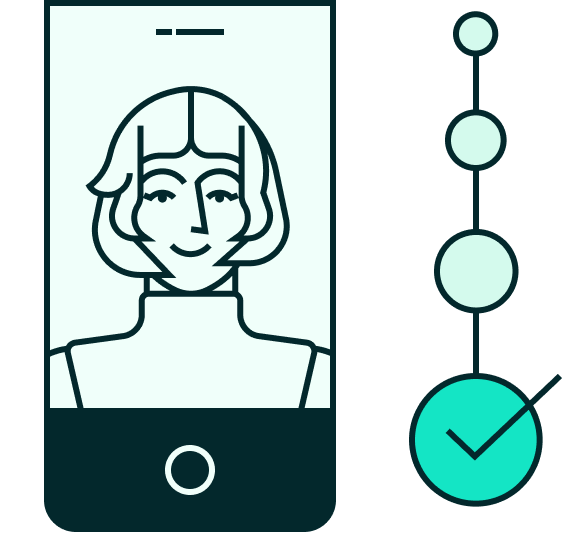
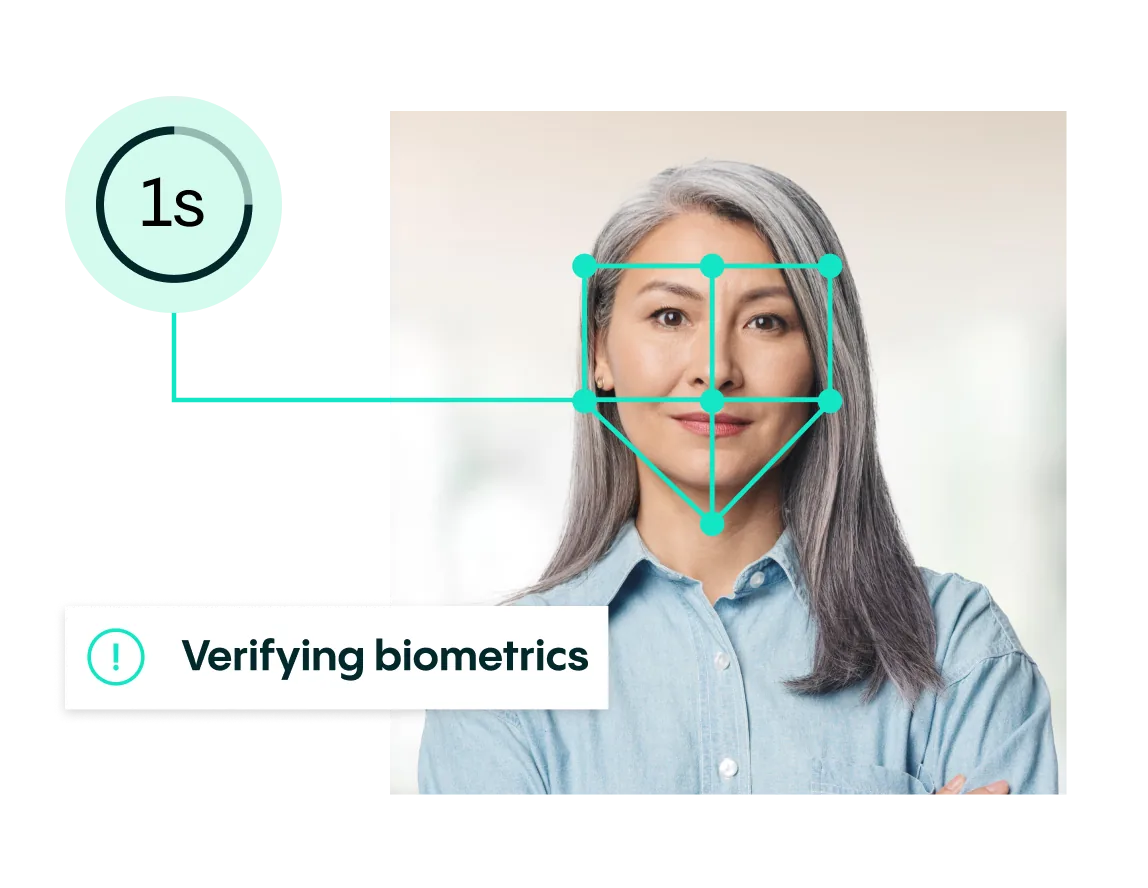
Through a photo of their government-issue ID and a simple selfie, we can tell immediately if something is wrong with an image or video. We can detect liveness and realness without asking users to move unnaturally or follow complex instructions – in other words, we can ensure they really exist and that they are who they claim to be.
We can determine at the onboarding stage if the person is a potential employee of value – or if they simply cannot be trusted and are aiming to cause harm to your business. With our cross-linking capabilities, we take huge amounts of data and search for patterns, helping us identify potential fraudsters who target certain industries. Of course, if they’re a legitimate employee, the process is smooth and safe, building security – and enhancing your company’s reputation.
Can you ensure that employees are who they say they are throughout their work with your organization? Reauthentication of employees is absolutely critical. With biometric authentication, users are promptly and securely authenticated across all stages of their user journey. We know they are who they say they are because we can quickly check the information already on file.



There’s no doubt that HR and recruitment face a challenging landscape. However, evolving technologies also present opportunities, enabling you to access a wider potential workforce while enhancing security at the same time. In this report, we show how cutting-edge IDV, AI and biometrics help organizations maintain a happy – and secure – working environment.
Key takeaways
Part 1
Fraud is on the rise in HR and recruitment
HR and recruitment organizations face unique dangers
The rise of insider threats
The IDV advantage
AI is a threat and an opportunity
Unfortunately, the danger from fraudsters seems to only be going up. We found a 21% rise in fraud between our 2024 and 2025 fraud reports.
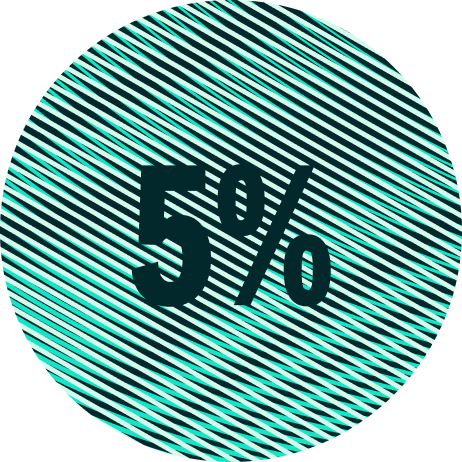
What’s more, the report showed that no fewer than 1 in 20 verification attempts in 2024 were fraudulent: someone pretending to be someone else.
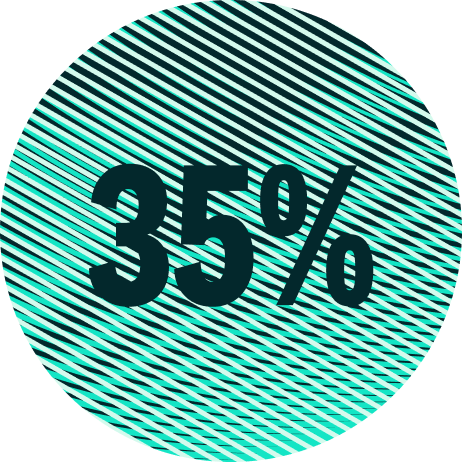
And there’s a real financial impact. For more than a third of US respondents (35%) in our Fraud Index 2024, there was at least some financial loss to fraud, with 13% of fraud decision-makers globally reporting that fraud cost their organization up to 20% of their revenue a year.
It’s even more complex for HR and recruitment than other sectors, with a huge range of financial damage possible from a rogue employee. This ‘fraud tax’ that organizations are paying is unsustainable and needs to be addressed quickly, as it is only going to get worse.
HR and recruitment specialists must navigate this challenging landscape, while also dealing with specific threats to their own industry.
Our fraud report found that the big headline for this vertical was the high frequency of document fraud attacks. At more than 30% of all fraud we identified in HR and recruiting, document fraud is far more common in the sector than in any other vector. It paints a picture of an industry that is still seen as a ripe target by relatively unsophisticated fraudsters.
Insider threats are an escalating risk for businesses, as fraudsters increasingly use fake identities to gain employment and access sensitive systems. New hires pose a risk, but existing employees can be an even worse threat. That’s particularly true during credential resets, as their broader system access makes them more vulnerable to exploitation.
The vast majority of respondents (83%) in this year’s Pulse Survey say they have already adopted some version of IDV software and/or biometrics technology into their processes.
The survey showed that 81% of respondents plan to boost their dependence on IDV and biometrics in the coming years. These forward-thinkers also reported that utilizing this technology led to a major decrease in fraud rates.
AI is a growing danger for organizations in all sectors, with 60.5% of respondents to our Pulse Survey 2025 reporting an increased use of AI in attacks.
On the other hand, fraud professionals in the HR and recruitment space also see the potential it offers to strengthen their defenses, with almost two-thirds of US respondents (64%) already using AI/machine learning in fraud prevention, with a further 20% planning to do so in the next 12 months.




The fraud threat for HR and recruitment
Part 2
Fraud is on the rise
The challenge of verifying employee identities is tougher than ever before. Remote work and the gig economy are now major elements of working life, while the threat from fraudsters is only growing more sophisticated, even involving state-sponsored actors.
Against this backdrop, HR departments are under increasing pressure to implement KYE practices for identity verification. Businesses must ensure compliance with local labor laws, prevent fraudulent employment applications, and streamline onboarding processes for staff members across the globe.
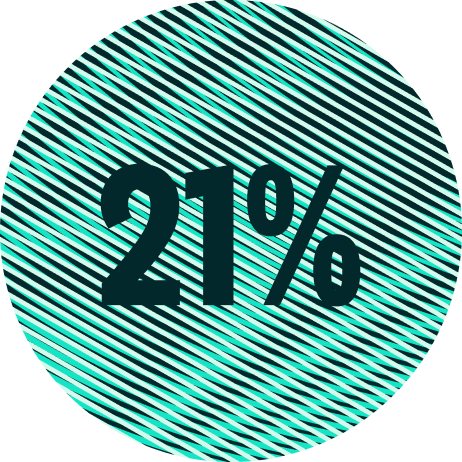
The increase in year-on-year online fraud since our 2024 report, a clear indication of the growing threat.
The percentage of all verification attempts in 2024 that we found to be fraudulent. This means that no fewer than 1 in 20 verification attempts involved someone pretending to be someone else.
First, it’s important to look at the wider context. HR and recruitment teams work in an increasingly digitized world – one where fraud is on the rise.
In our latest Fraud Report, we analyzed our global customer data from 2024, including data related to our HR and recruitment customers. The main story is sadly familiar: online fraud is on the rise.
The same old story
We’ve seen this theme again and again. In our 2024 Fraud Index, for instance, we surveyed end users on their experiences of online fraud. Two stats stood out:
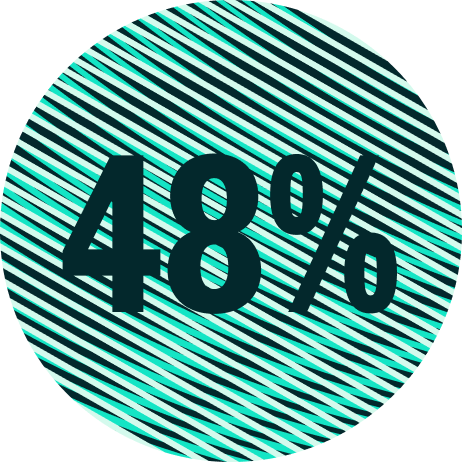
Respondents who had experienced online fraud in the preceding 12 months.
US consumers who experienced at least some financial loss from fraud, with 1% losing more than $1,000. And it’s not limited to the US – a quarter of UK respondents suffered at least some loss.
The growing danger was also highlighted in our Fraud Industry Pulse Report 2025, where we surveyed 200 fraud professionals and decision-makers in a range of sectors, including HR and recruitment. Most of our respondents (72%) said they had seen an increase in online fraud in the past 12 months, with a similar proportion (75.5%) saying fraud has hurt their revenue.
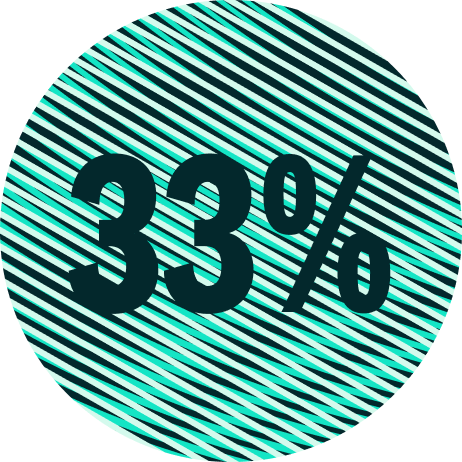
A third (32%) have suffered a 3-5% reduction – for a business with revenue of $1 million, that could mean a loss of $50k per year, just to fraudsters.
3-5% reduction
HR teams face particular dangers in the digital world
HR and recruitment specialists must navigate this challenging landscape, while also dealing with specific threats to their own industry. Our fraud report found that the big headline for this vertical was the high frequency of document fraud attacks.
Document fraud is a type of identity fraud. It’s when a document’s data has been physically altered or a counterfeit document has been fabricated from scratch. This type of attack can be used to commit impersonation fraud or to gain access to goods or services that the user would not otherwise be able to.
At more than 30% of all fraud we identified in HR and recruiting, document fraud is far more common in the sector than in any other vector.
“This is not the most sophisticated crime, but that’s no reason for complacency,” Bondar warned. “It simply means that HR and recruitment are a bigger target for a wider range of criminals.”
Insider threats
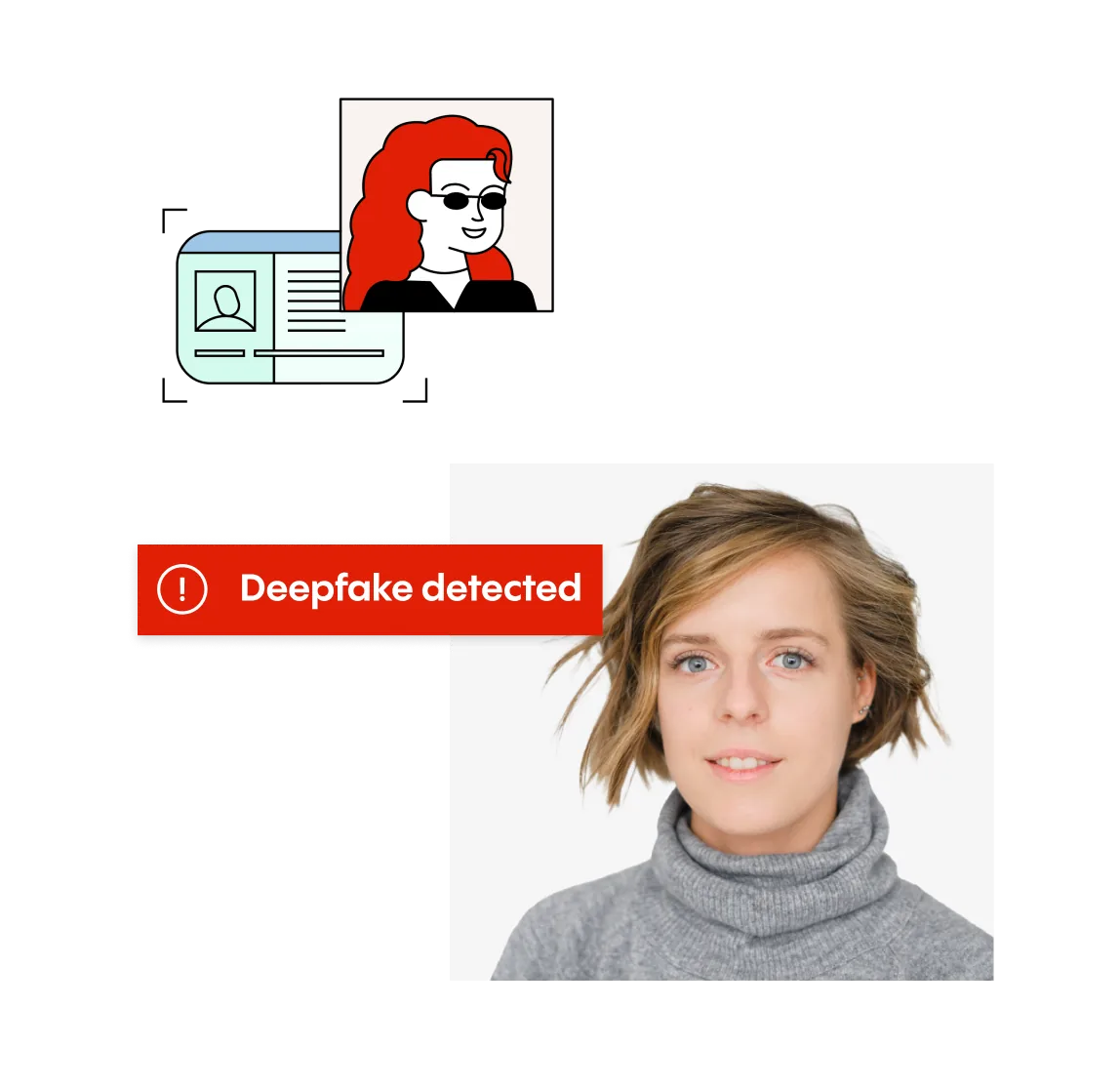
It’s clear that HR and recruitment teams face an increasingly challenging environment. Insider threats are an escalating risk for businesses, as fraudsters increasingly use fake identities to gain employment and access sensitive systems. Without proper identity verification measures to ensure robust KYE, companies face serious dangers, such as intellectual property theft, data breaches, malware installation, and reputational damage – often resulting in financial losses worth billions.
New hires pose a risk, but existing employees can represent an even greater threat, particularly during credential resets, as their broader system access makes them more vulnerable to exploitation.
One of the most alarming risks stems from state-sponsored operatives. Certain nation states employ advanced cyber strategies to infiltrate high-value targets by placing insiders or manipulating employees to gain access to confidential information.
These actors are highly resourced and skilled, often executing Advanced Persistent Threat (APT) attacks: meticulously planned, multi-stage attacks involving various techniques designed to bypass conventional security measures. Unlike opportunistic attacks, APTs target specific organizations and are carried out over prolonged periods, making them particularly dangerous.
“Of course, the risk from nation states and sophisticated criminals depends on the company involved,” said Bondar. “But the risk is severe, and HR and recruitment teams need to pay attention.”
Secure hiring at a high-risk global internet company
Such risks are clearly amplified depending on the size and resources of the company in question. It’s vital that such organizations adopt cutting-edge measures to defend themselves from potential employee-based threats.
For example, take Veriff’s work with one of the world’s most sophisticated digital businesses. For security purposes, the name of the company has been anonymized.
This organization faces continuous threats from sophisticated fraudsters, including state-sponsored attackers. Its high profile as a multinational tech company has made it a prime target, with billions of dollars at risk if security fails.
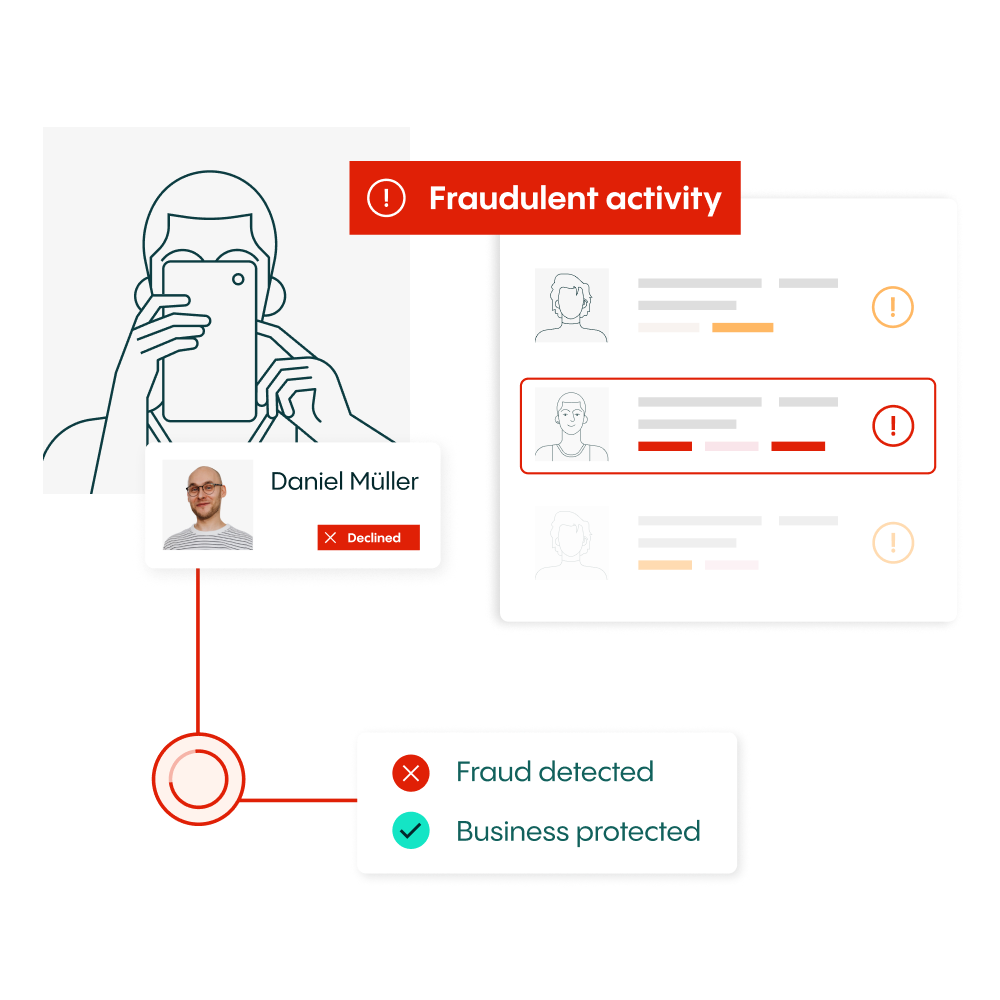
Due to its large user base, valuable intellectual property, and global influence, the company attracts interest not only from cybercriminals but also from government-affiliated threat actors.
Background: the rising threat of employee-focused cyberattacks
Due to its large user base, valuable intellectual property, and global influence, the company attracts interest not only from cybercriminals but also from government-affiliated threat actors. For this reason, protecting internal operations has become as critical as safeguarding customer data.
The company required a solution for onboarding, for both employees and contractors, and employee verification and credential resets that go beyond standard procedures, given the stakes involved.
Robust KYE, no matter the sector
Part 3
Recognizing the potential vulnerabilities in employee onboarding, this global enterprise engaged Veriff to implement a KYE system. The goal was to deploy a secure and comprehensive verification process for each new hire, alongside credential resets for existing employees.
Veriff’s KYE service is designed to help organizations confirm the identity and integrity of employees in a way that minimizes exposure to insider threats and data breaches. Through robust AI-based verification, Veriff assists this company in thoroughly vetting each individual who is hired.
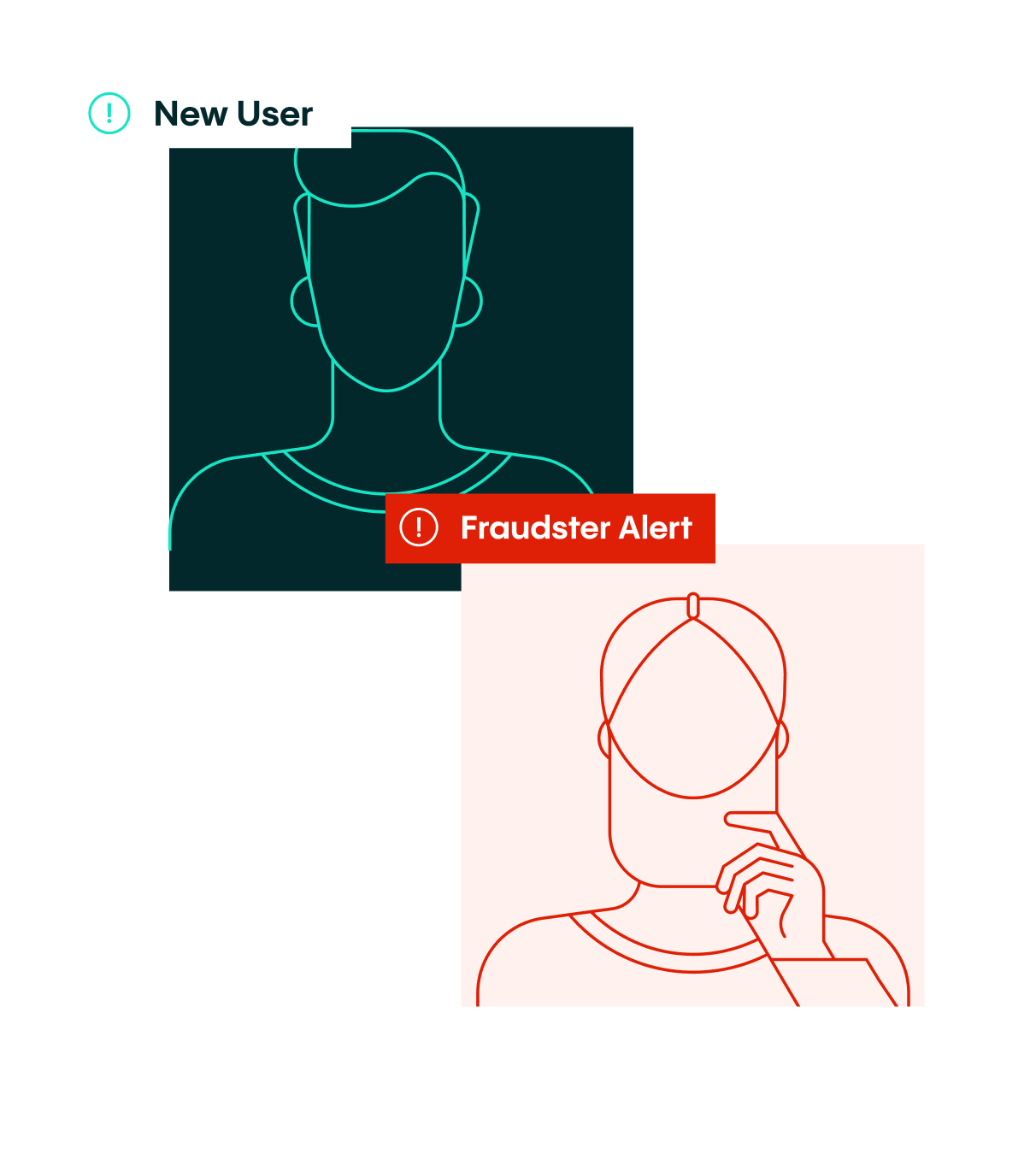
The onboarding system employs a range of biometric and document verification steps to authenticate identities, then employs cross-linking to ensure the identity has not been used for fraudulent attempts in the past to create a network effect that ensures the employee is genuine. This rigorous approach ensures that each individual meets the necessary security requirements to access sensitive company resources.
By leveraging Veriff’s sophisticated KYE protocols, this company can detect inconsistencies and red flags in background information that may suggest affiliation with adversarial groups. Veriff’s connections to global verification databases and ability to assess the authenticity of identity documents across various jurisdictions give the company confidence in mitigating risks linked to nation-state infiltration.
Let’s look at how other leading organizations use Veriff to ensure robust KYE processes.
Scaling global hiring with secure verification
Deel, a global HR and payroll platform, enables businesses to hire and pay international talent with ease. With a vast network of remote workers and contractors, Deel needed a way to verify identities quickly and securely while ensuring compliance with regional labor laws.
By integrating Veriff’s AI-powered identity verification technology, Deel streamlined its onboarding process. New hires could verify their identities within seconds, reducing manual document reviews and accelerating global workforce expansion.
The impact:
- Faster onboarding: Reduced verification times from days to minutes.
- Enhanced security: AI-powered fraud detection minimized risk.
- Regulatory compliance: Veriff’s solution helped Deel comply with diverse hiring regulations worldwide.

Verifying the best global talent
Working with Veriff enabled us to not only improve the accuracy of our KYC checks, but also to shift it earlier in our process, improving the integrity that our entire product depends on.
Andrew Allen, VP of Marketing at Crossover

Crossover specializes in hiring top-tier professionals worldwide. As the company manages a competitive talent marketplace, it needed a robust solution to verify candidates’ identities, ensuring that only qualified and legitimate professionals were onboarded.
Veriff’s identity verification technology provided Crossover with automated identity checks, facial recognition, and document verification. This helped confirm that applicants were genuine and met their rigorous hiring criteria.
The impact:
- Increased hiring trust: Guaranteed the authenticity of top-tier professionals.
- Improved fraud prevention: Reduced identity fraud attempts.
- Seamless integration: Enhanced the hiring experience for applicants and HR teams.

Companies are hiring staff members across borders, requiring compliance with complex KYE regulations and jurisdiction-specific labor laws. Proper workforce verification ensures legitimate hires and reduces onboarding risks.
Remote hiring & global expansion

Protecting against employment identity fraud has become a top priority, as fraudulent job applications can lead to compliance risks, insider threats, and reputational damage. Implementing KYE solutions strengthens security.
Fraud prevention

It’s vital to get the right mix between protecting companies and employees on one hand with ensuring employees retain the right support, including regarding their privacy.
Balancing robust security with employee privacy laws
Businesses are integrating KYE-driven automated IDV to simplify and accelerate the hiring process, ensuring only verified employees enter the workforce.
Automated onboarding

Staying aligned with evolving labor laws, KYE requirements, and Know Your Customer (KYC) standards ensures businesses operate within legal frameworks while reducing the risk of fraudulent hires.
Regulatory compliance

KYE trends shaping HR practices today
Robust KYE can be achieved through a relatively simple – but highly secure – process. We see it occurring over 7 steps.
Step 1:
Implement advanced digital identity verification tools
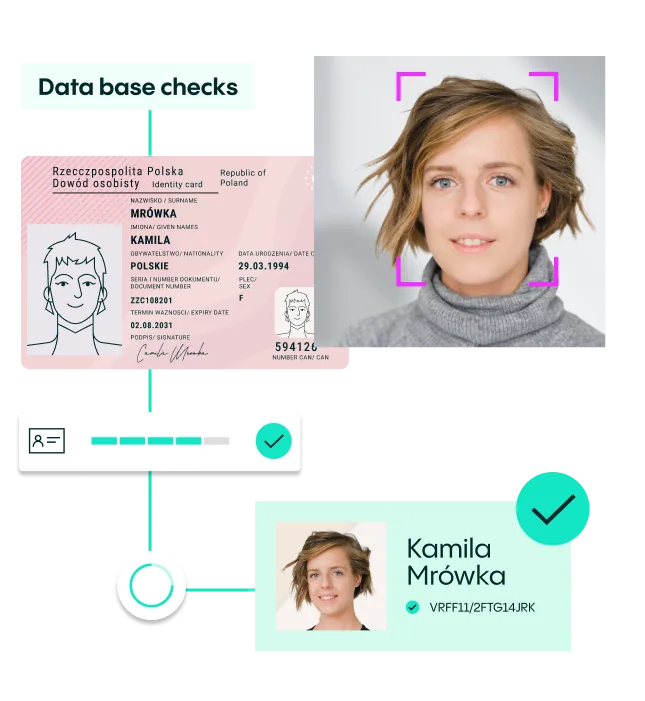
Verifying a candidate’s identity is no longer limited to in-person meetings. Sophisticated tools such as Veriff use artificial intelligence to confirm identities remotely with efficiency and accuracy.
How it works:
- Employees upload a government-issued ID and take a selfie.
- AI-powered technology validates the authenticity of the ID and matches it with the selfie.
- Cross-check photos against official databases for additional security.
- Additional tip: Incorporate geolocation-based verification to confirm where the candidate is physically located. This adds an extra layer of security, especially for international hires.
Step 2:
Adopt secure and integrated HR platforms
Managing onboarding programs requires tools that streamline workflows and secure sensitive data. Here are some key features to prioritize:
- Automated background checks integrated with the platform.
- Encrypted storage for sensitive employee data.
- Compliance tools to ensure your business adheres to local labor laws.
Step 3:
Conduct virtual face-to-face interviews
While technology can verify documents, human interaction goes a long way in confirming someone’s authenticity. Video calls allow you to assess a candidate's behavior, tone, and overall alignment with your organization.
Enhanced verification tip: During the virtual interview, ask candidates to hold up their ID for confirmation. This immediate check can help spot inconsistencies early in the process.
Pro tip: Record interviews (with the candidate’s consent) for future reference. Having documentation can be helpful in verifying disputes or clarifications later.
Step 4:
Include cybersecurity training as part of onboarding
No onboarding plan is complete without equipping employees to handle cyber risks. Many remote workers use personal devices, which can be more vulnerable to attacks. Set them up for success by providing cybersecurity training that ensures they’re prepared to protect sensitive company data from day one.
Step 5:
Set up clear channels of communication and policies
New team members can feel disconnected without easy access to support and resources. Providing access to secure communication tools, like Slack, Microsoft Teams, or Zoom, ensures they can collaborate seamlessly while reducing security vulnerabilities.
Step 6:
Digitally sign contracts for secure onboarding
Gone are the days of printing, signing, and scanning documents. Digital signing tools like DocuSign and Adobe Sign allow remote hires to sign contracts securely, with tamper-proof encryption that meets global compliance standards.
Step 7:
How Veriff elevates remote onboarding
Veriff’s AI-driven platform ensures that onboarding remote employees is seamless, compliant, and secure. Its advanced verification methods reduce fraud risks while delivering a smooth onboarding experience.
‘You need the right balance between security and convenience – it’s no good building the tightest possible controls if it makes potential employees grow impatient and look elsewhere,’ warned Bondar. ‘By utilizing technologies like AI and biometrics, we can ensure that employees and employers are both safe, while they also enjoy a convenient onboarding experience.’
Remote control
Of course, remote workers are now a key consideration for any company – and a particular challenge in cybersecurity and KYE. Here are some advanced tips for onboarding remote workers:

- Invest in continuous employee engagement. Onboarding doesn’t end once an employee starts working. Host regular virtual check-ins, offer professional development courses, and build a sense of community for your remote team.
- Implement a well-structured onboarding program. An effective onboarding program is crucial for new hires. It enhances employee retention and productivity by providing necessary training, resources, and a thorough introduction to company culture, policies, and co-workers. In a post-pandemic work environment, consider the challenges and considerations related to remote onboarding to ensure a smooth transition for new employees.
- Regularly audit your process. Cyber threats evolve, so your onboarding framework should too. Perform periodic audits of your tools, policies, and technologies to ensure compliance with industry standards.
- Biometric authentication. Biometrics ensures that the individual collecting company equipment and accessing systems is the same verified person who was hired, adding an extra layer of security to the onboarding process.
- Use multi-factor authentication (MFA). Require MFA on all systems and tools. Even if a login credential is compromised, MFA adds a second layer of security that’s difficult to bypass.
AI as a threat …
AI is a growing danger for HR and recruitment. The proliferation of these tools, and the fact that it is relatively cheap to develop them and deploy them at scale, has led to fraud-as-a-service becoming one of the major growth industries of the last 12 months.
Respondents to our Pulse Survey 2025 who reported an increased use of AI in attacks.
60.5%
While there is a significant problem in the UK, it appears to be worse in the US. Our Fraud Index found that while in the UK, 62.8% of consumers say they haven’t been targeted by this type of fraud, the same figure in the US is less than half of respondents (47.5%). In the US, almost a third (31.94%) have been targeted by AI or deepfake fraud, while a striking 19.56% say they don’t know.
And AI as an opportunity…
So, we know that technology is a growing threat, but it can also work to our advantage. Ecommerce and online marketplace organizations can now fight back using powerful AI-driven identity verification solutions.
There is clear evidence that fraud professionals see the potential benefits these solutions offer in boosting their defenses. Almost two-thirds of US respondents (64%) to the Pulse Survey are already using AI/machine learning in fraud prevention, with a further 20% planning to do so in the next 12 months.
It is a similar story around the world, according to our global Pulse Survey. In the UK, 60% of decision-makers utilize AI/ML in fraud prevention, with a further 25% planning to do so in the next year. In Brazil, 69.5% are using the technology, while 16.5% plan to do so in the coming 12 months.
There are lots of ways it can help. We asked ecommerce fraud professionals in our Pulse Survey to outline how AI helps their organizations fight fraud. The answers covered a range of vital areas:
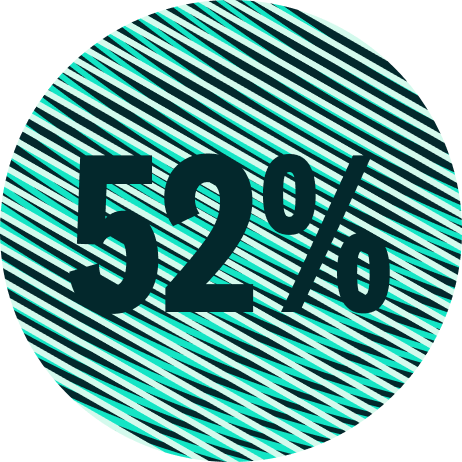
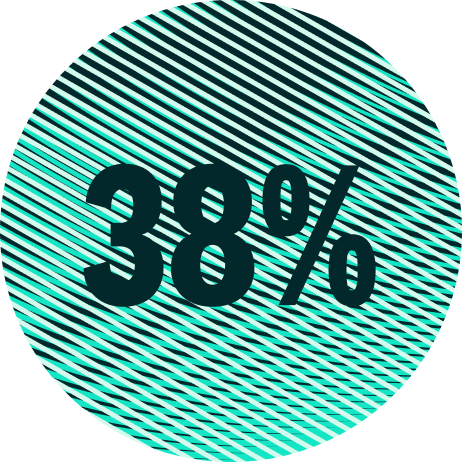
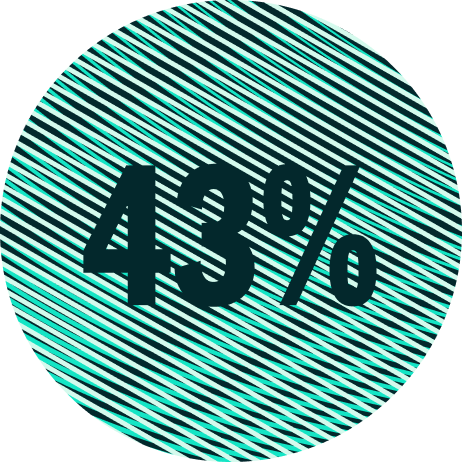
Identifying fraud patterns and potential risk factors
Accelerating the identification of sophisticated fraud attempts.
Automating employee verification.
Analyzing analyze customer behavior patterns over time to identify unusual activity.
Fraud professionals clearly see the benefits of IDV software and biometrics when building their risk-based/step-up authentication systems. The vast majority of respondents (83%) to the Pulse Survey 2025 say they have already adopted some version of the technology into their processes.
And the same survey showed that 81% of respondents plan to boost their dependence on IDV and biometrics in the coming year, a clear recognition of the security benefits they’ve already seen and their expectations for future advantages, particularly when blended with the power of AI.
Ongoing security
Robust online protection is vital for ecommerce businesses to remain secure and to protect their business, employees and customers. However, it’s also a key business imperative if they’re to enhance their reputations and secure future growth.
In our Fraud Index, we asked consumers to rate the importance of security measures when signing up for an online marketplace (showing an ID and taking a selfie). Customer demand for IDV was clear.
Three quarters of respondents (75.72%) said this was important when signing up to an online marketplace, a figure that remained consistent across the countries and by gender and age group. There was little difference overall between respondents in the US and UK, with 77.8% of UK consumers saying it was important and 73.65% of US respondents.
This has wide significance, as Bondar noted. “Online marketplaces are a dominant feature of the digital economy, so if consumers believe security is important here, it highlights the importance they place on such measures across their online lives.”

What the future holds
Part 4
How Veriff can help you fight the AI threat
Technology to identify manipulated images

Biometric analysis of photographs and videos
The ability to identify patterns across verifications and customers
Examination of key device attributes
Veriff’s software development kits are secure and robust by nature because we can control their interactions, making it difficult for fraudsters to digitally inject media into the stream. In effect, we build a hard wrapper around our system, ensuring that content that’s captured or uploaded is valid. We also offer a multi-dimensional approach to tackling the problems faced by financial services organizations:
Veriff’s platform is built on sophisticated models that constantly evolve, providing a multi-layered approach that combines threat-mitigation tools. We treat the absence of data as a risk factor itself and provide a robust and comprehensive check of identity documents.
Ira Bondar, Senior Fraud Group Manager, Veriff


The fraud prevention ecosystem
Veriff is building the infrastructure for trust online. We are doing this by helping digital organizations to do the following three things:
Fight ever-more sophisticated fraud
Achieve growth on a global scale
To do these three things, businesses must ask three key questions of their customers:
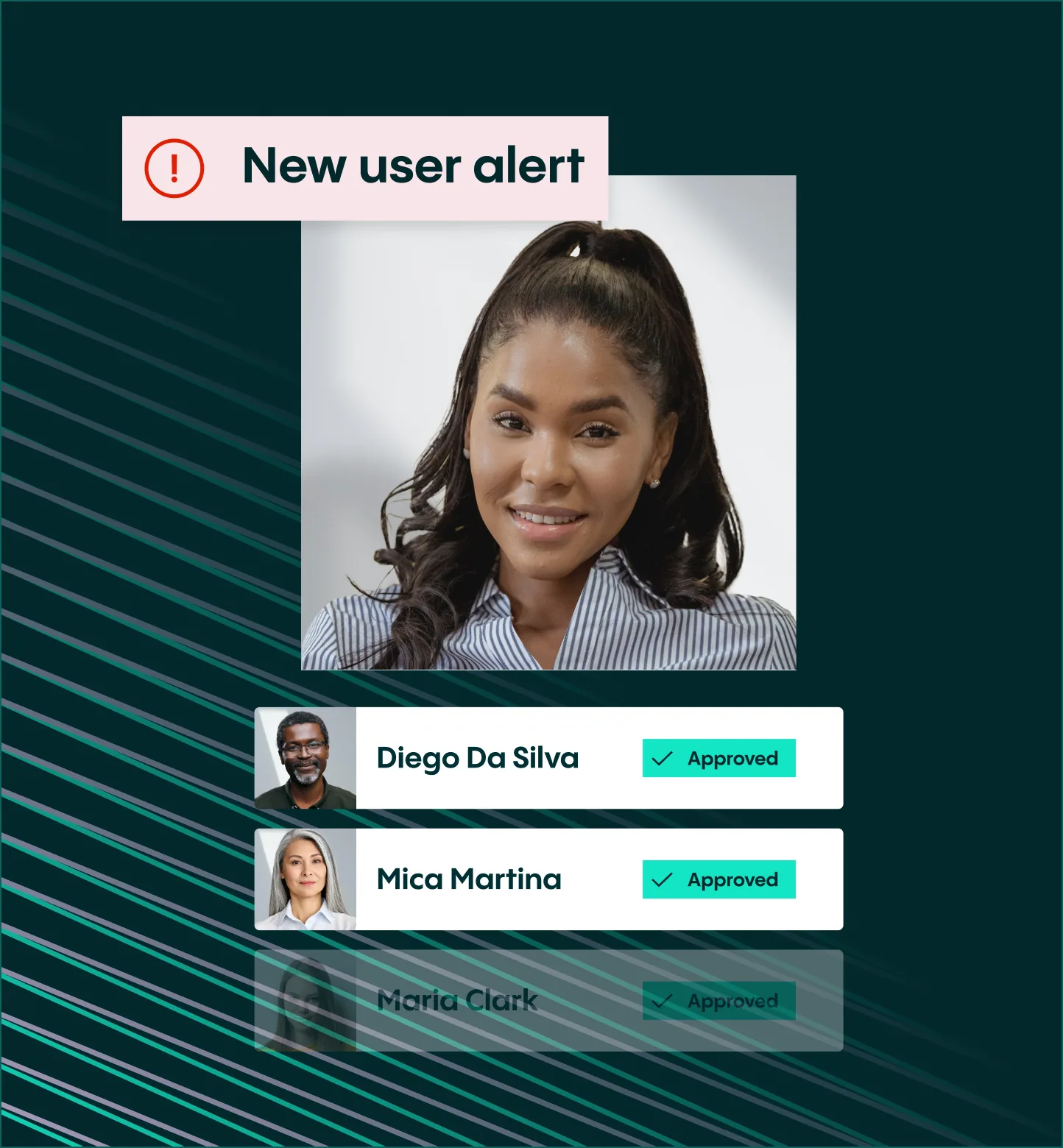
Is this person real at the moment of signing up for an account?
Is this person trusted - are they a potential fraud risk or are they a high-value customer?
Is this still the same real and trusted person logging in throughout the lifetime of that account?
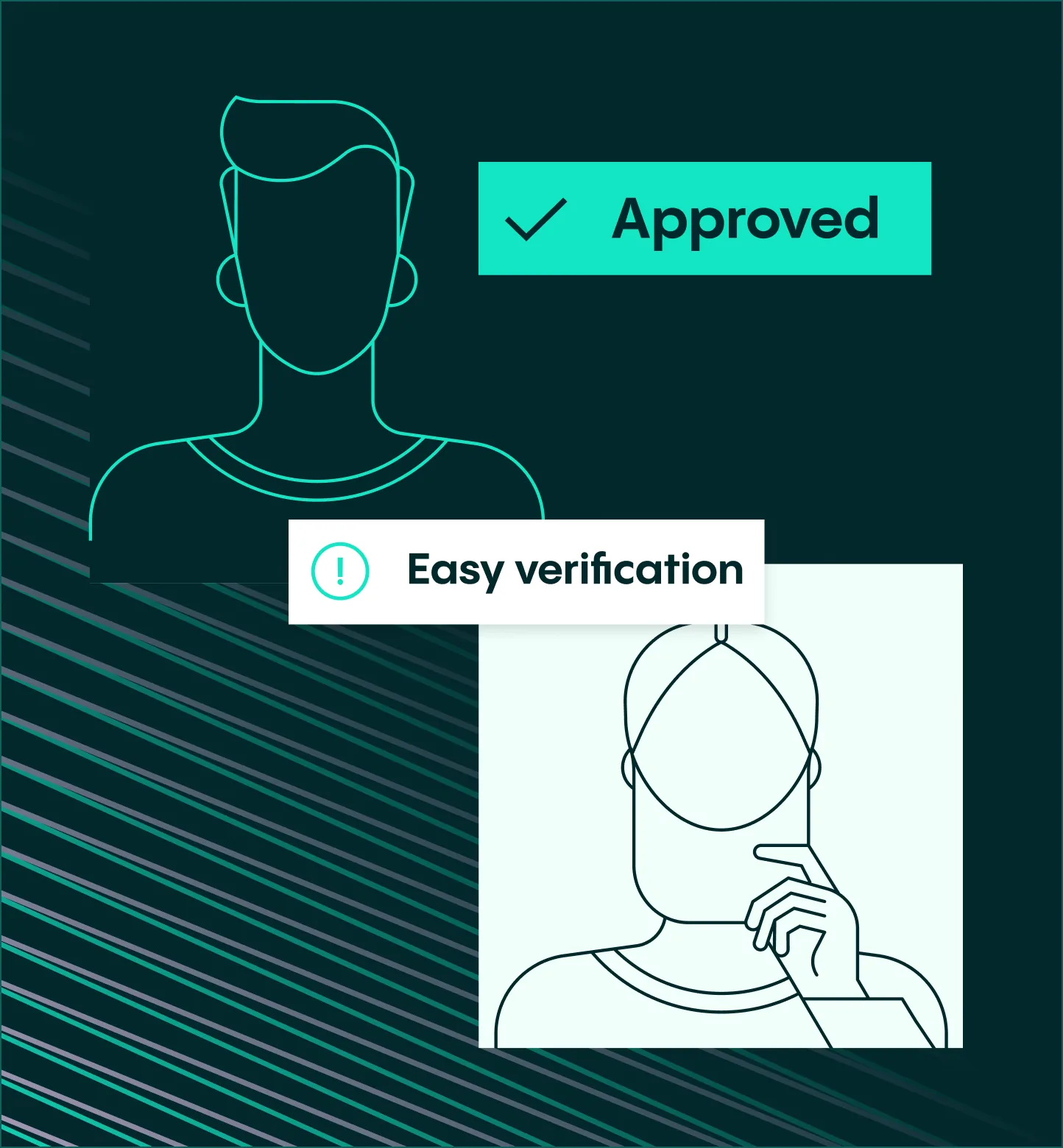

The customer identity solution built to answer the key questions facing businesses
Human thought behind the machine learning
Preparing you for the rise of deepfakes
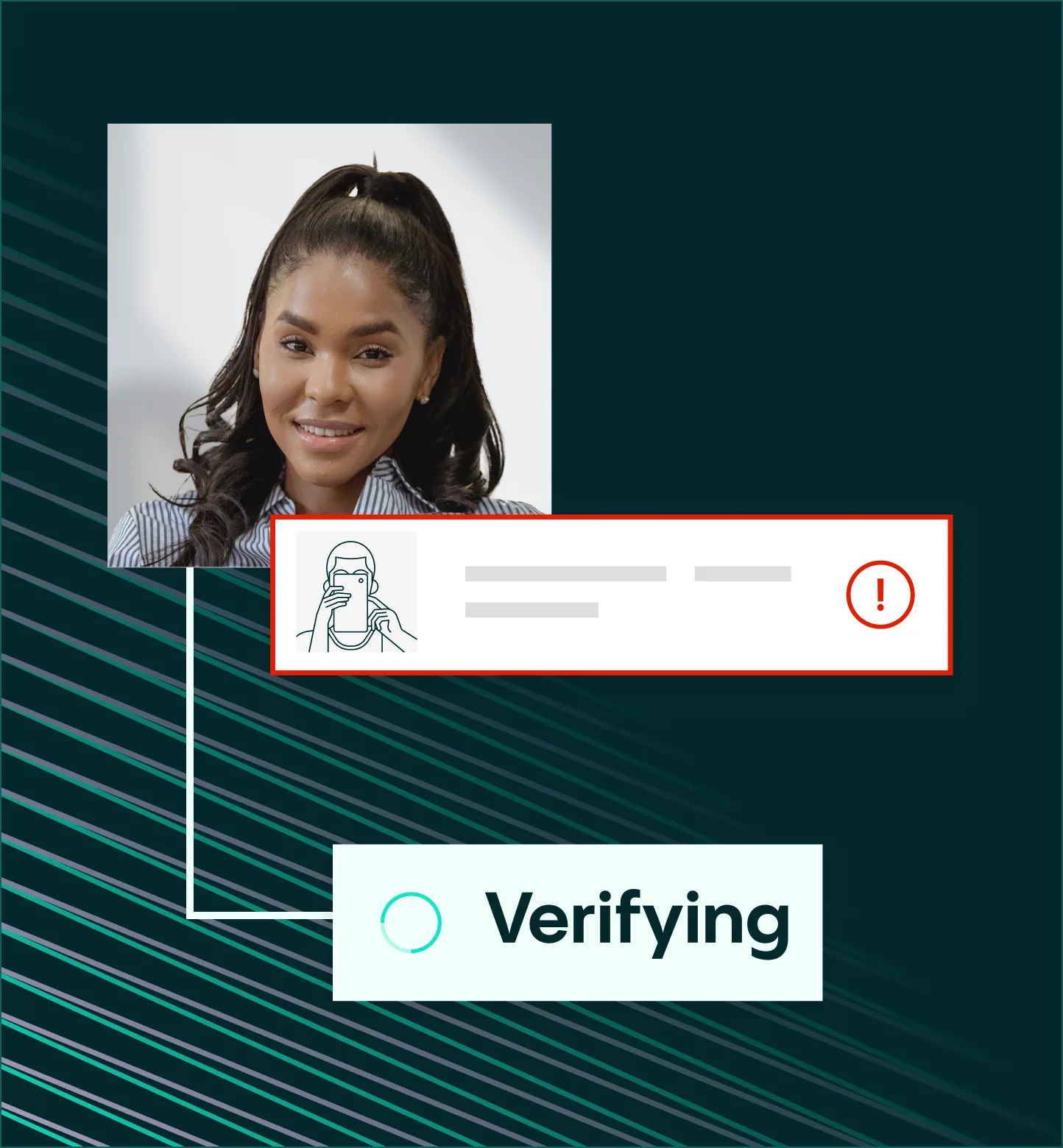
Veriff uses machine learning to detect patterns or anomalies that identify fraud, including those created with deepfakes. This could involve detecting inconsistencies in facial features, skin texture, or lighting conditions. But even with advanced AI, some deepfakes might be sophisticated enough to fool automated systems. Having trained professionals in our human-in-the-loop review helps us to provide an extra layer of security.
By combining these techniques with ongoing research and development, we aim to stay one step ahead of emerging fraud techniques and safeguard our systems and users against potential threats.
Veriff is uniquely placed because we have the ability to provide positive answers to the challenges facing global businesses in 2025
Our IDV solution verifies users at the point of sign-up to your systems, confirming they are genuine. Our cross-linking and risk scores create a powerful network effect from across our customer base that enables you to determine whether a customer is to be trusted. And our Biometric Authentication solution enables you to ensure the returning user is still the genuine owner of the account throughout that account’s lifespan.
We have been seeing deepfakes for a couple of years already in our customers’ sessions. With the recent generative AI boom, we can see more and more of these kinds of sessions coming in, where the images have been generated with AI. We take a multi-layered approach to combating deepfakes and AI-generated media.
One key strategy is implementing face liveness checks to validate the authenticity of human presence. This involves using algorithms to detect subtle facial movements and responses, ensuring that the individual interacting with our systems is indeed real.
In addition, we employ a variety of checks to validate the legitimacy of documents. This includes leveraging machine learning algorithms to analyze document features and detect anomalies or signs of manipulation, as well as our proprietary document specimen database populated by document experts.
How we do it ⬇️
Our core Document and Identity Verification solution uses advanced AI and is supported by fraud mitigation tools. We deploy machine learning-powered checks, advanced fraud network mitigation strategies, and a team of in-house counter-fraud experts to help protect organizations.
Meanwhile, our Fraud Protect solution helps to identify patterns and deliver actionable insight built on industry expertise, enabling users to approve greater numbers of genuine users and eliminate more fraud. Its elements are:

Which searches for signs of physical or digital data or structural manipulation.
This prevents individuals suspected of fraud from attempting to access your business.
Offers biometric analysis of the user’s selfie image for signs of physical or digital manipulation.
Which collects and analyzes multiple signals from the user’s device and network to identify potential risk.
CrossLinks and RiskScore techniques are something we utilize across our portfolio to build a comprehensive picture of fraud-related danger, including the risks from deepfakes (see below for more detail).
Analyzing the biometric characteristics from a submitted selfie image to ensure that the subject is real and physically present during the verification, as well as checking for signs of manipulation.
DocCheck:
FaceBlock:
FaceCheck:
DeviceCheck:
CrossLinks and RiskScore:
FaceCheck Liveness:
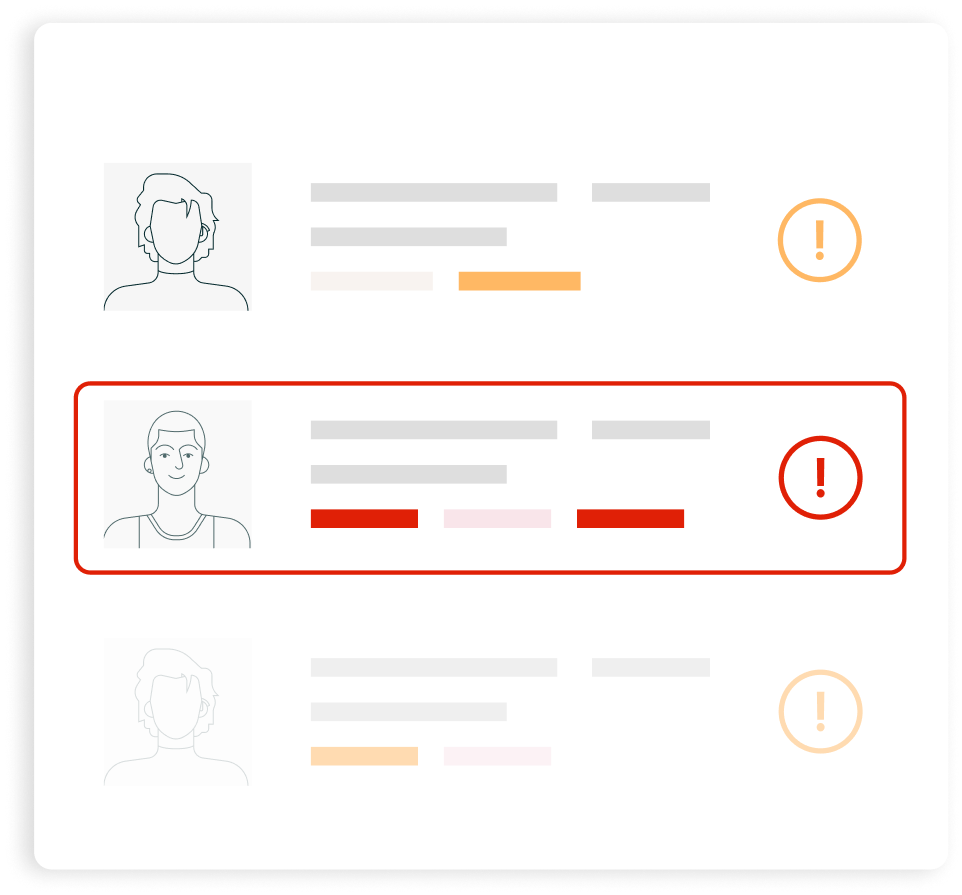


Similarly, our CrossLinks approach - where we are crosslinking multiple pieces of information to derive new insights and fraudulent patterns that are not detectable when analyzing a single session in isolation - means we can group together verifications with similar data points, helping us to identify fraudsters who might use multiple fake identities on different occasions across our network.
This capability has deepened and expanded. We have long been capable of identifying a document that shows up on multiple occasions with the same customer, or the same biometrics, IP address, or device characteristics.
With Industry CrossLinks, we can look cross-customer, within the same industry vertical - for example, looking to see if the same fraudster has been working across our financial services customers - and the fact we work globally means we can spot evolving trends that a customer working on their own would never be aware of. All of this can happen without any personally identifiable information being shared across customers.
This is effective because fraudsters will always try to reuse their tools and tactics across multiple organizations. Even as they turn to machine learning, AI, and deepfakes, they will reuse credentials, templates, and faces. Our Industry CrossLinks capability stops them in their tracks.
CrossLinks in action:
learn more
We have plenty of resources available for you to learn more about fraud, and how to protect your business.
Visit our dedicated Fraud Education Center here

Learn more about the threat of AI and deepfakes here
Discover the cost of fraud with our interactive RoI calculator here
Explore our fraud-prevention solutions here

Veriff is the preferred identity verification and authentication partner for the world’s biggest and best digital companies, including pioneers in fintech, crypto, gaming, and the mobility sectors. We provide advanced technology, deep insights, and expertise from our foundation in digital-first Estonia and honed in leading the digital identity revolution. The partner of choice for businesses who need to rapidly and effortlessly verify online users from anywhere in the world, Veriff delivers the broadest possible identity document coverage.
By supporting government-issued IDs from more than 230 issuing countries and territories and with our intelligent decision engine, which analyzes thousands of technological and behavioral variables, Veriff enables trust from the first hello.


Speak to one of our fraud experts today to discover how we can create customizable fraud protection for your business.