
The Future of Finance
How financial services organizations can adapt to a changing digital world







Financial services organizations are natural targets for sophisticated fraudsters. But by embracing technological evolution in AI, biometrics, and identity verification (IDV), financial services leaders can protect their companies and their customers – and seize the opportunities the ever-evolving digital world will bring.
As we look at the future of the financial services landscape, the challenges are clear. Financial services face an evermore complex regulatory landscape, from GDPR in Europe to the Bank Secrecy Act in the US. Meanwhile, fraudsters are deploying AI, deepfakes and other advanced technologies to defraud their customers, with AI-powered authorized fraud a significant concern for the future.
In this report, we collate and analyze our extensive research into financial services fraud. The three key resources in focus are the Veriff Identity Fraud Report, an analysis of our in-house data from the frontline of fighting fraud; our Fraud Industry Pulse Survey, based on responses from hundreds of finance fraud professionals and decision-makers from around the world; and our Fraud Index, which surveyed thousands of consumers across the US, Europe and Latin America.
Introduction
Ira Bondar, Senior Fraud Group Manager, Veriff

All of this research combines to give us a very clear picture on how financial services organizations - from investors, lenders, and traditional banks, through to agile neobanks and fast-growing cryptocurrency, fintech, and payments platforms - should approach the challenges of the coming years. And these challenges largely boil down to financial services answering three questions about both their customers and employees:

Is your customer/employee real?
Is this customer/employee of value to you or a potential cost?
Is the answer to those questions still the same on an ongoing basis?
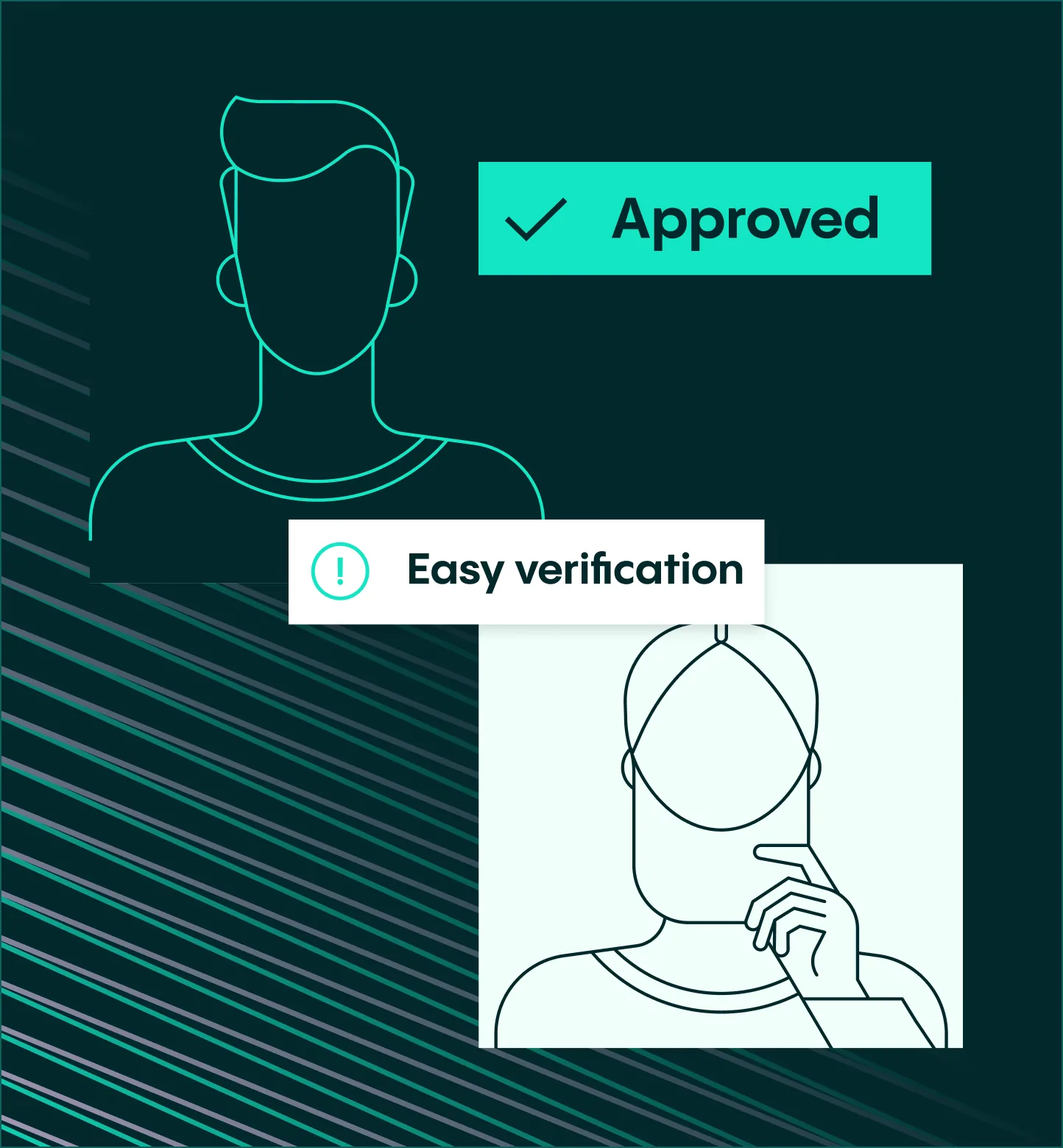
Through a photo of their government-issue ID and a simple selfie, we can tell immediately if something is wrong with an image or video. We can detect liveness and realness without asking users to move unnaturally or follow complex instructions – in other words, we can ensure they really exist and that they are who they claim to be.
We can determine at the onboarding stage if the person is a potential customer or employee of value – or if they simply cannot be trusted. With our cross-linking capabilities, we take huge amounts of data and search for patterns, helping us identify potential fraudsters who target certain industries. Of course, if they’re a legitimate customer or employee, the process is smooth and safe, building security – and your company’s reputation.
Can you ensure that users of your platform and your employees are who they say they are every time they engage with your systems? Reauthentication of customers and employees is absolutely critical. With biometric authentication, users are promptly and securely authenticated across all stage of their user journey. We know they are who they say they are because we can quickly check the information already on file.



Financial services customers, in particular, are discerning, with the ability to quickly move elsewhere. It’s vital to keep them satisfied and secure. Today’s fraudsters will happily use them as a threat vector – as well as your employees.
But with IDV, biometrics and AI, you can secure your stakeholders, answer those three crucial questions, and enjoy the opportunities of a digital future.
Key takeaways
Part 1
Fraud is on the rise in financial services
AI is a threat and an opportunity
The IDV advantage
Customers demand the strongest security in financial services
Unfortunately, the danger from fraudsters seems to only be going up. We found a 21% rise in fraud between our 2024 and 2025 fraud reports.
What’s more, the report showed that no fewer than 1 in 20 verification attempts in 2024 were fraudulent: namely someone pretending to be someone else.
And there’s a real financial impact. For more than a third of US respondents (35%) in our Fraud Index 2024, there was at least some financial loss to fraud, with 13% of fraud decision-makers globally reporting that fraud cost their organization up to 20% of their revenue a year. This ‘fraud tax’ that financial services organizations are paying is unsustainable and needs to be addressed quickly, as it is only going to get worse.
AI is a growing danger for organizations in all sectors, with 60.5% of respondents to our Pulse Survey 2025 reporting an increased use of AI in attacks.
On the other hand, fraud professionals also see the potential it offers to strengthen their defenses, with almost two-thirds of US respondents (64%) already using AI/machine learning in fraud prevention, with a further 20% planning to do so in the next 12 months.
The vast majority of respondents (83%) in this year’s Pulse Survey say they have already adopted some version of IDV software and/or biometrics technology into their processes.
The survey showed that 81% of respondents plan to boost their dependence on IDV and biometrics in the coming years. These forward-thinkers also reported that the utilizing this technology had led to a major decrease in fraud rates.
Security benefits are seen as particularly vital in financial services. We asked respondents in our Fraud Index how important security measures like verifying identity by showing an ID and taking a selfie are when signing up for a new financial service provider.
The vast majority (82.62%) say such measures are important in the area, and a similar amount stating that they would not sign up with a financial services platform if they perceived it to have anything less than the very best fraud defences.


The fraud threat in financial services
Part 2
Fraud is on the rise
The fraud threat is growing all the time, posing particular – and severe – dangers for financial services.
In our latest Fraud Report, we analyzed global customer data from throughout 2024, including data related to our financial services customers. The main story is sadly familiar: online fraud is on the rise.
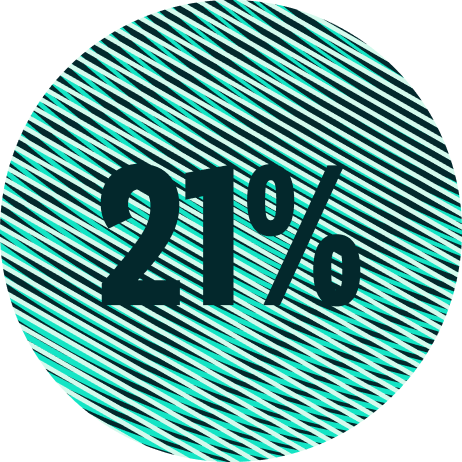

The increase in year-on-year online fraud since our 2024 report, a clear indication of the growing threat.
The percentage of all verification attempts in 2024 that we found to be fraudulent. This means that no fewer than 1 in 20 verification attempts involved someone pretending to be someone else.
The same old story
We’ve seen this theme again and again. In our 2024 Fraud Index, for instance, we surveyed end users on their experiences of online fraud, including US and UK consumers of financial services. Two stats stood out:
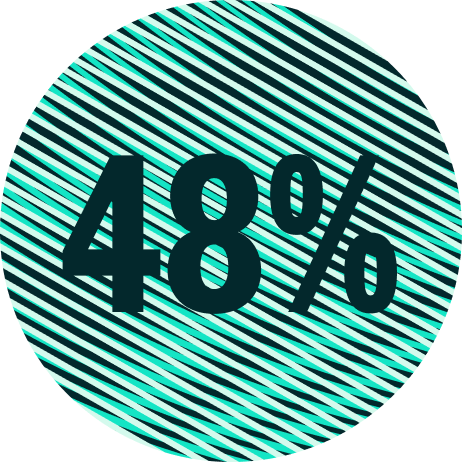
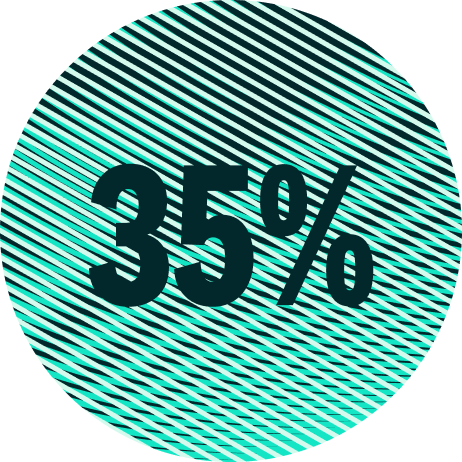
Respondents who had experienced online fraud in the preceding 12 months.
US consumers who experienced at least some financial loss from fraud, with 1% losing more than $1,000. And it’s not limited to the US – a quarter of UK respondents suffered at least some loss.
The growing danger was also highlighted in our Fraud Industry Pulse Report 2025, where we surveyed 200 fraud professionals and decision-makers in financial services. Most of our respondents (72%) said they had seen an increase in online fraud in the past 12 months, with a similar proportion (75.5%) saying fraud has hurt their revenue.
It’s clear that financial services organizations face unique dangers,” said Iryna Bondar, senior fraud operations team lead at Veriff. “Even if only a small percentage take a financial hit, it could represent millions of dollars lost to criminals.
Ira Bondar, Senior Fraud Group Manager, Veriff


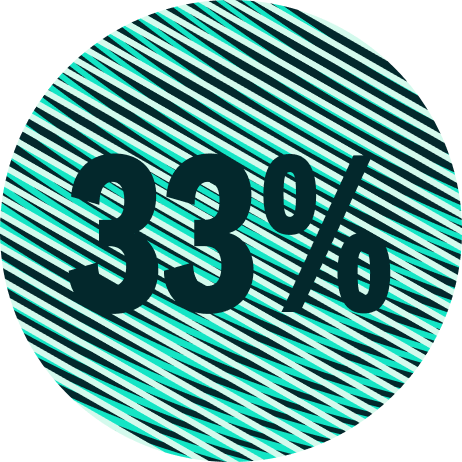
A third (32%) of fraud professionals reported suffering a 3-5% los to fraud in the last year – that means businesses could be losing $50,000 for every $1 million in revenue they make to fraudsters.
3-5% reduction
Financial services organizations face particular dangers.
To some degree, financial services organizations can be seen as victims of their own success. They are often targeted by organized crime, with such groups increasingly mass-producing fake identities so they can attack banking institutions en masse, testing the security measures deployed by digital financial services companies and significantly increasing their chances of successfully breaching those defenses.
In certain financial services' sub-verticals, such as crypto and payments platforms, the average amount of net fraud (that’s all types of fraud combined) has been nearly 2x higher than the global mean - reaching as high a value as 13.4%, our Identity Fraud Report showed.
Traditional banks have seen 3.5x more frequent attempts of people presenting tampered or forged documents compared to the global average. There is also an alarming growth in authorized fraud.
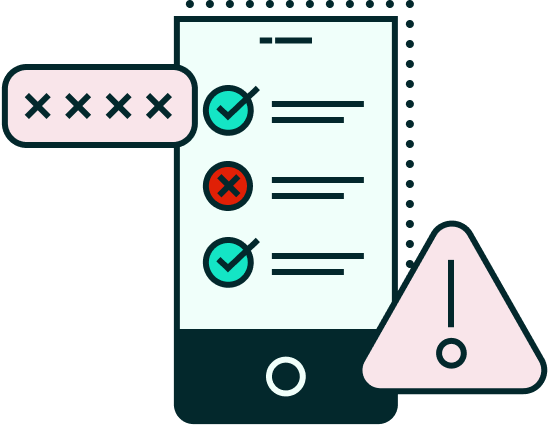
Physical adversary-in-the-middle attacks
Authorized fraud: a key threat to financial services
Digital adversary-in-the-middle attacks
This type of fraud is particularly alarming because it often relies on some form of physical coercion or forced participation. We often see this type of fraud in relation to identity farms, where individuals or groups of people are pressed into opening and accessing accounts and then those accounts are taken over for malicious purposes.
Authorized fraud is a scam where a user is tricked into performing an identity verification session: for example, when a fraudster pretends to be someone from a bank. This type of fraud has two distinct types: physical adversary-in-the-middle attacks and digital adversary-in-the-middle attacks.
This fraud type is one that has been growing hand-in-hand with the increasing sophistication of AI-powered tools. Essentially, this type of fraud is defined by a fraudster positioning themselves digitally between the account holder and a business in order to intercept the data required to access this account.
This way, fraudsters gain unauthorized access to end-users’ legitimate data and accounts. Examples of this include phishing, whereby an attacker sends a phishing email, text, or AI-generated voice message to the target asking them for log-in and password information that could help them gain access to an account. An example of this type of fraud in action can be found below.
The threat is growing
Dangers looking forward
AI as a threat
In total, authorized fraud was about 1.5% of attacks in financial services. This might sound small, but it’s significantly higher than other areas – none at all was reported in HR and Recruiting, for instance, or in iGaming/Gambling.
“The key story isn’t so much where we stand now – it’s where we could be going in authorized fraud in the future,” Bondar warned.
Perhaps unsurprisingly, financial services organizations expect to see more of the same this year when it comes to online threats, and are fearing a recurrence of the attacks they’ve already suffered. 89% of senior fraud decision-makers in financial services said they expected to see more fraud in 2025, most of it driven by developments in AI. In particular, our Pulse Survey found that malware, (55.5%), impersonation fraud (50%), authorized fraud (43%), account takeover (36%), and document fraud (34.5%) stand out as concerns for the year ahead.
“With financial services organizations already a particular target for organized crime – and for authorized fraud – those dangers are only likely to expand,” says Bondar.
AI is a growing danger for financial services organizations. The proliferation of these tools, and the fact that it is relatively cheap to develop them and deploy them at scale, has led to fraud-as-a-service becoming one of the major growth industries of the last 12 months..
Again, while there is a significant problem in the UK, it appears to be worse in the US. Our Fraud Index found that while in the UK 62.8% of consumers say they haven’t been targeted by this type of fraud, the same figure in the US is less than half of respondents (47.5%). In the US, almost a third (31.94%) have been targeted by AI or deepfake fraud, while a striking 19.56% say they don’t know.
Respondents to our Pulse Survey 2025 who reported an increased use of AI in attacks in the last year.
60%
And AI as an opportunity…
So, we know that technology is a growing threat. On the other hand, it can work to our advantage. Financial services organizations can now fight back using powerful AI-driven identity verification solutions.
There is clear evidence that fraud professionals also see the potential benefits it offers in boosting their defenses. Almost two-thirds of US respondents (64%) to the Pulse Survey are already using AI/machine learning in fraud prevention, with a further 20% planning to do so in the next 12 months.
It is a similar story around the world, according to our global Pulse Survey. In the UK, 60% of decision-makers utilize AI/ML in fraud prevention, with a further 25% planning to do so in the next year. In Brazil, 69.5% are using the technology, while 16.5% plan to do so in the coming 12 months.
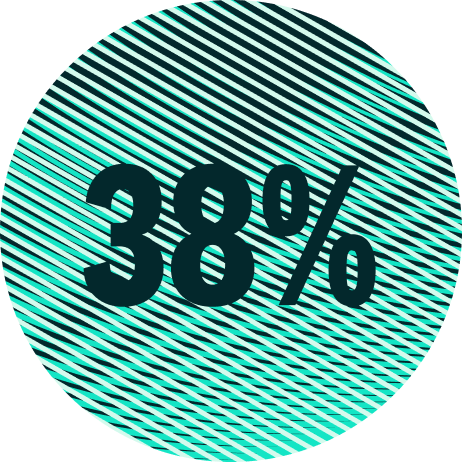
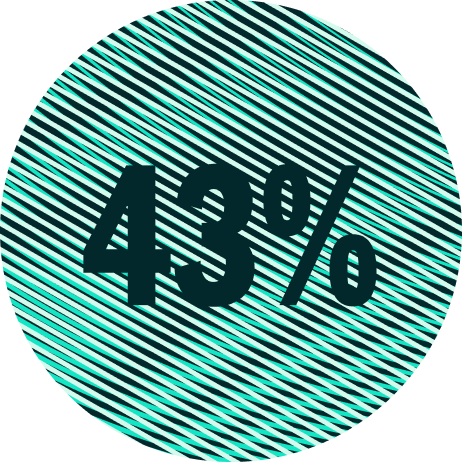
There are lots of ways it can help. We asked fraud professionals in our Pulse Survey to outline how AI helps their organizations fight fraud:
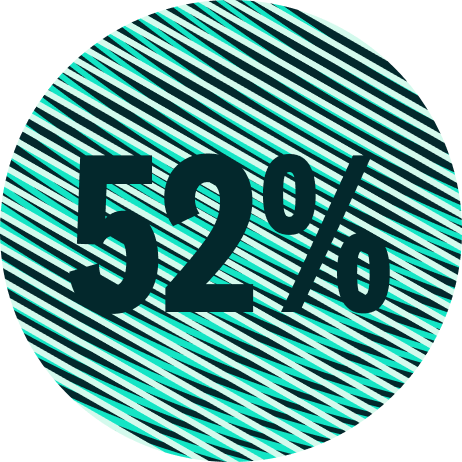
Identifying fraud patterns and potential risk factors.
Accelerating the identification of sophisticated fraud attempts.
Automating customer verification.
Analyzing analyze customer behavior patterns over time to identify unusual activity.
Fraud professionals clearly see the benefits of IDV software and biometrics when building their risk-based/step-up authentication systems. The vast majority of respondents (83%) to the Pulse Survey 2025 say they have already adopted some version of the technology into their processes.
And the same survey showed that 81% of respondents plan to boost their dependence on IDV and biometrics in the coming year, a clear recognition of the security benefits they’ve already seen and their expectations for future advantages, particularly when blended with the power of AI.
These security benefits are seen by consumers as particularly vital in financial services, perhaps unsurprisingly – they are dealing with customers’ money, after all. We asked respondents in our Fraud Index how important security measures like verifying identity by showing an ID and taking a selfie are when signing up for a new financial service provider. The vast majority (82.62%) say such measures are important in the area, a figure that holds steady across the UK and US and among different gender and age groups.
This is even higher than our result for the same question in our previous survey, where 73.3% said it was important.
And when we asked respondents which means of logging in to a financial service they thought was most secure, the growing traction of biometrics was again on display. A combined 38.07% of respondents picked biometrics as their number one choice to protect their interactions.
Among the three options (facial, fingerprint, and voice), facial was the most popular choice (17.38%). This puts it far ahead of traditional passwords (12.39%) and makes it the second-most popular individual choice, after one-time code (just ahead at 18.48%).
Embracing the digital future
As banks and other financial services organizations look to the future, they can’t turn their backs on digitization.
One crucial factor which puts financial services at a disadvantage in a digital world of remote onboarding is the trust engendered by face-to-face interactions no longer exists. Trust is one of the key pillars of financial services, and its ability to drive engagement and increase loyalty directly impacts your bottom line.
As a financial services platform, your user interface essentially is your brand. That makes effective design a vital tool to help build your relationship with a new customer. “Organizations need to get the balance right between ease-of-use and security,” Bondar notes.

Identify the problem impacting your revenue
Source a solution that works for your business
Implement a solution into your workflow
Protect your business from ongoing threats
Fraud journey
The compliance picture
Part 3
Financial services organizations must comply with a range of regulations across the globe. Here we highlight some of the key legal architectures they must keep front of mind in the fight against fraud.
dora
bank secrecy act
Regulation (EU) 2022/2554, known as the Digital Operational Resilience Act (DORA), is a comprehensive legislative framework developed by the European Union. It outlines new regulatory measures to ensure that the financial sector’s ICT infrastructure remains resilient against cyber threats, operational failures, and other ICT disruptions.
DORA applies to a wide range of institutions, including banks, payment service providers, electronic money institutions, investment organizations, and insurance and occupational pensions companies. By establishing standardized rules across Member States, DORA eliminates regulatory fragmentation and provides a uniform approach to managing ICT risk.
It has a range of implications for the financial services industry, including extended reporting obligations; ongoing monitoring; closer scrutiny of vendors; and alignment of internal processes with technical standards.
The US Bank Secrecy Act was initially passed in 1970 to combat money laundering and other financial crimes, surfacing at a time when organized crime was flourishing. It has evolved alongside financial crime, with such amendments as the USA Patriot Act, which reinforced the BSA as a landmark statute combating money laundering and terrorism financing.
The BSA and its regulations have created an enormous impact on the financial sector. They have greatly enhanced the accountability and transparency of regulated entities and therefore strengthened public trust in the financial sector.
It may be difficult for financial institutions to effectively navigate the multitude of legislative pieces without investing in technology, personnel, and training programs. However, as BSA compliance is imperative to the sound functioning of the financial system, the BSA’s rigorous requirements are the cornerstone of safeguarding regulators’ and users’ trust and ensuring the security of the processes of financial organizations.
The EU’s General Data Protection Regulation aims to protect data, a vital consideration in financial services. The principles involved also apply to the UK (a huge player in financial services) even after Brexit, with the country implementing its UK Data Protection Act 2018, which mirrors the principles of GDPR while addressing specific UK needs.
For financial services, this has particular implications in know your customer (KYC) and anti-money laundering (AML) obligations.
Lawfulness, fairness and transparency when it comes to processing data:
Data should be collected for specific, legitimate purposes, and not processed further in a way incompatible with those purposes without clear consent.
Purpose limitation:
Collect only necessary data and keep it accurate to avoid unnecessary risks.
Data minimization and accuracy:
Implement appropriate retention periods and promptly delete outdated data.
Storage limitation:
Secure data processing, protecting against unauthorized access and breaches.
Integrity and confidentiality:




California and other US data privacy laws
Recently, data protection in the US took an interesting turn. In 2018, the California Consumer Privacy Act (CCPA) was signed into law. It became effective on January 1, 2020, and it was the first comprehensive data privacy law in the United States.
It gives consumers much more control over their personal information than any of the previous privacy laws. The CCPA protects consumers on another level, setting an example for other states. Suddenly, consumers could ask about what personal data is being collected about them, receive information about data disclosures, say “no” to the sale of their personal data, or even request that their personal information be deleted, regardless of the industry of the business.
Though California remains by far the most stringent of the state data protection laws, there are several state-level data protection and privacy laws granting similarly broad protection to consumers in other states as well.
The CCPA may have set the precedent, but Virginia, Colorado, and Utah soon followed, and now more and more states are enacting their own privacy laws. For financial institutions, understanding and complying with these laws is crucial not only to avoid significant legal penalties, but also to build and strengthen relationships with clients.
With the American Privacy Rights Act (APRA) on the horizon, only time will tell whether someday there will also be a “United States General Data Protection Regulation”.
How leading financial services businesses are preparing for the future
Part 4
Financial services organizations have the tools at their disposal to protect themselves, their employees and their customers from fraud. Here’s how some of the industry’s leading players are transforming industries from banking to blockchain:
Boosting customer trust.
Through using Veriff, we have been able to provide our users with a more streamlined and secure onboarding process, allowing users to more easily upload the documents needed to start using the platform. Veriff has supported us in our growth and expansion, protecting the platform from fraudsters and bad actors.
Brendan Fuller, Chief Risk Officer, Webull


Implementing robust customer and employee identification and authentication practices can significantly enhance customer trust. For example, Webull, has implemented a clear streamlined verification process that both boosts user confidence and promotes higher conversion rates.
Webull is a leading online brokerage platform committed to empowering self-directed investors with innovative tools and cutting-edge technology, revolutionizing the way individuals approach investing.
Given the sheer volume of transactions and the levels of finance involved, fraud is a significant danger in the trading and brokerage space, while organizations must also comply with a wide range of regulations.
Webull was looking for a partner to provide a seamless user experience, with minimal friction, to onboard genuine customers faster - all while combating fraud.
Reducing fraudulent activities.
Giving people the tools they need to keep their digital assets secure is going to become more and more important as we enter this new age of digital ownership, we’re excited to be partners of Veriff, and excited to see where the internet goes over our next three years together.
The Blockchain team
Stringent verification methods are essential in combating fraud in the crypto space. For example, Blockchain.com, one of the biggest cryptocurrency platforms on the market, was able to address two key challenges: meeting regulations by verifying users, while protecting those users at the same time.
With Veriff, the ability to make cryptocurrencies safer and more accessible has led to a noticeable decline in fraudulent transactions, showing how advanced technology can secure user investments.

Speed and efficiency.
The ability to process thousands of grant applications daily was a crucial factor that made Veriff stand out from other vendors in the verification space, however, what really impressed us early on was Veriff’s ability to identify suspect documentation within seconds and escalate individual cases to its in-house fraud investigation teams. This second tier of human verification is baked into the Veriff solution, guaranteeing optimal cost efficiency and ensuring there’s no hidden costs for users.
Andy Wright, CTO, Submittable
Quick and efficient verification leads to improved customer experiences, a vital advantage in the fast-based financial services environment. For an example of how to do this well, look no further than Submittable, a leading global social impact SaaS platform that empowers organizations to launch, manage, and measure the results of large-scale social impact programs including grants, emergency relief, and corporate philanthropy.
Unfortunately, disaster relief programs supporting individuals in need routinely attract high levels of fraudulent activity.
Submittable needed to transform its anti-fraud processes to meet the exacting demands of its clients. The company needed an identity verification solution capable of processing thousands of grant applications in a customer-centric manner, in real time, with a high level of accuracy and in a cost-effective manner. The solution also had to meet clients’ strict data management protocols.

Tailored solutions.
We have been partnering with Veriff since 2020 to address identity verification and to acquire valuable additional information to integrate into our fraud controls, fraud challenges are very dynamic; new patterns arise frequently, and the existing ones change very fast, so close communication, high collaboration and effective responsiveness between Veriff and Kueski have been critical to helping us evolve and face the day-to-day challenges and maintain the great experience that we look for in our users.
Sahari Cabello, SVP of Credit Risk at Kueski
When financial services organizations understand the unique challenges of their target audiences, they can provide more effective and user-friendly verification processes. For instance, look at Kueski, the leading buy now, pay later (BNPL) and online consumer credit platform in Latin America.
Kueski’s credit approval process is completely digital and fully automated, so it is of the utmost importance to balance the best user experience – based on a simple, fast, clear, and streamlined process – with secure operation. The main challenge is to verify the identity of users seamlessly and prevent fraud cases.
Kueski has invested heavily in a strong framework to address fraud prevention and identity verification holistically, including technology developed both internally and externally provided by key partners like Veriff.

Regulatory compliance.
Our fraud detection rate increased from 10% to 90% following our implementation of Veriff’s platform, conversion rates were also boosted from 40% to 60% almost overnight and churn rates were reduced from 8% to 5%. Compliance risk was also dramatically reduced, dropping from five cases a month to just one.
Victor Alade, CEO and Co-Founder of Raenest
Ultimately, maintaining compliance with regulatory standards is crucial across all our partnerships with financial service's organiizations. It is the key to building credibility and enabling businesses to seamlessly operate across diverse markets.
A good demonstration of a business that does this well is Raenest, a global account receivable and spend management system for freelancers and businesses in Africa. Having to work across multiple jurisdictions is a daunting compliance challenge, but Raenest has seen incredible results since bringing state-of-the-art identity verification solutions into its onboarding flows.

Being able to work globally is particularly important today, with a complicated international landscape to operate in. By partnering with Veriff, you can work with a company that has deep expertise across markets and knows how to blend security and regulatory compliance with the best in customer experience.
Ira Bondar, Senior Fraud Group Manager, Veriff
What the future holds
Part 5
How Veriff can help you fight the AI threat
Technology to identify manipulated images

Biometric analysis of photographs and videos
The ability to identify patterns across verifications and customers
Examination of key device attributes
Veriff’s software development kits are secure and robust by nature because we can control their interactions, making it difficult for fraudsters to digitally inject media into the stream. In effect, we build a hard wrapper around our system, ensuring that content that’s captured or uploaded is valid. We also offer a multi-dimensional approach to tackling the problems faced by financial services organizations:
Veriff’s platform is built on sophisticated models that constantly evolve, providing a multi-layered approach that combines threat-mitigation tools. We treat the absence of data as a risk factor itself and provide a robust and comprehensive check of identity documents.
Ira Bondar, Senior Fraud Group Manager, Veriff
The fraud prevention ecosystem
Veriff is building the infrastructure for trust online. We are doing this by helping digital organizations to do the following three things:
Fight ever-more sophisticated fraud
Achieve growth on a global scale
To do these three things, businesses must ask three key questions of their customers:
Is this person real at the moment of signing up for an account?
Is this person trusted - are they a potential fraud risk or are they a high-value customer?
Is this still the same real and trusted person logging in throughout the lifetime of that account?
The customer identity solution built to answer the key questions facing businesses
Human thought behind the machine learning
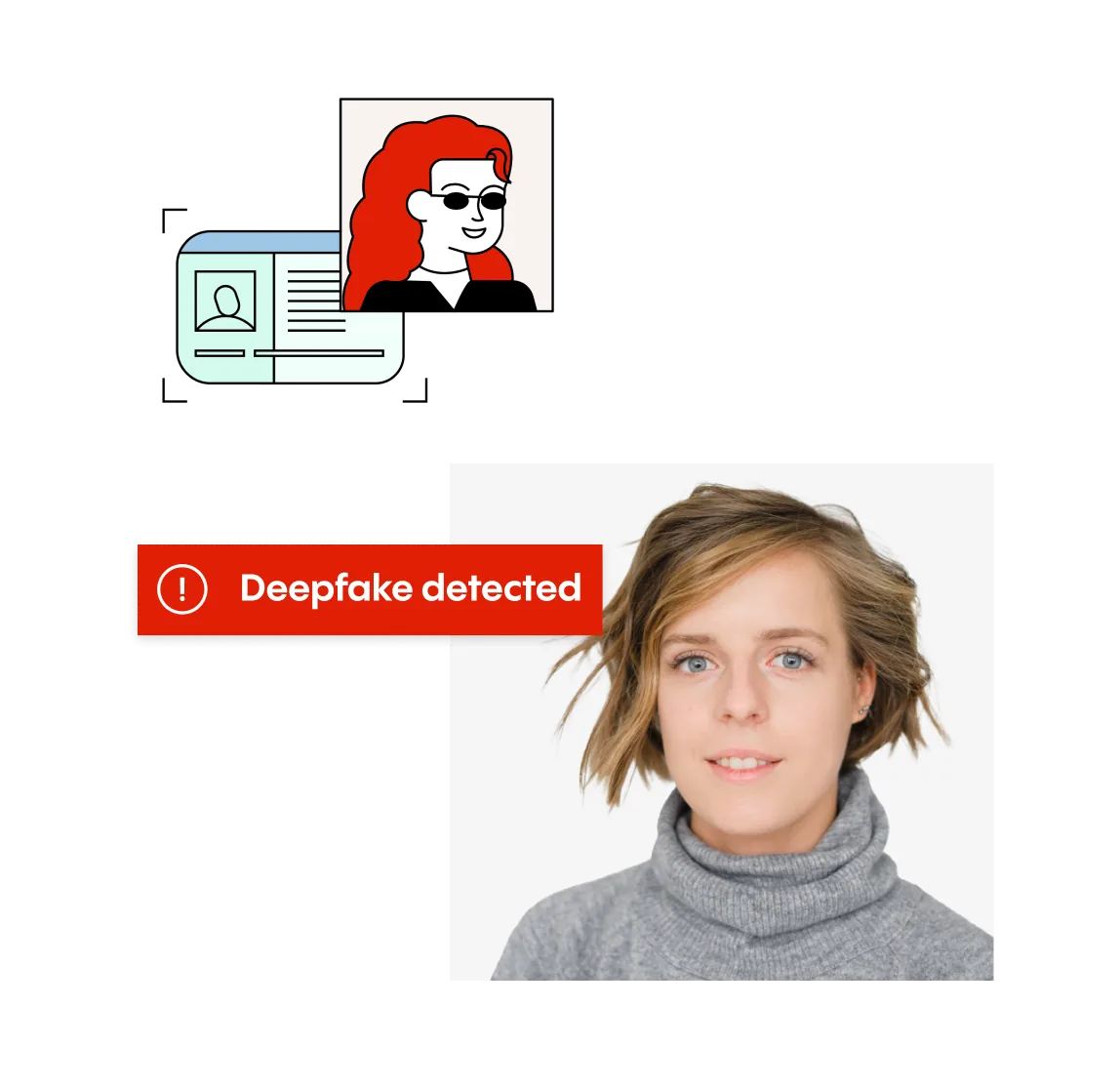
Preparing you for the rise of deepfakes
Veriff uses machine learning to detect patterns or anomalies that identify fraud, including those created with deepfakes. This could involve detecting inconsistencies in facial features, skin texture, or lighting conditions. But even with advanced AI, some deepfakes might be sophisticated enough to fool automated systems. Having trained professionals in our human-in-the-loop review helps us to provide an extra layer of security.
By combining these techniques with ongoing research and development, we aim to stay one step ahead of emerging fraud techniques and safeguard our systems and users against potential threats.
Veriff is uniquely placed because we have the ability to provide positive answers to the challenges facing global businesses in 2025
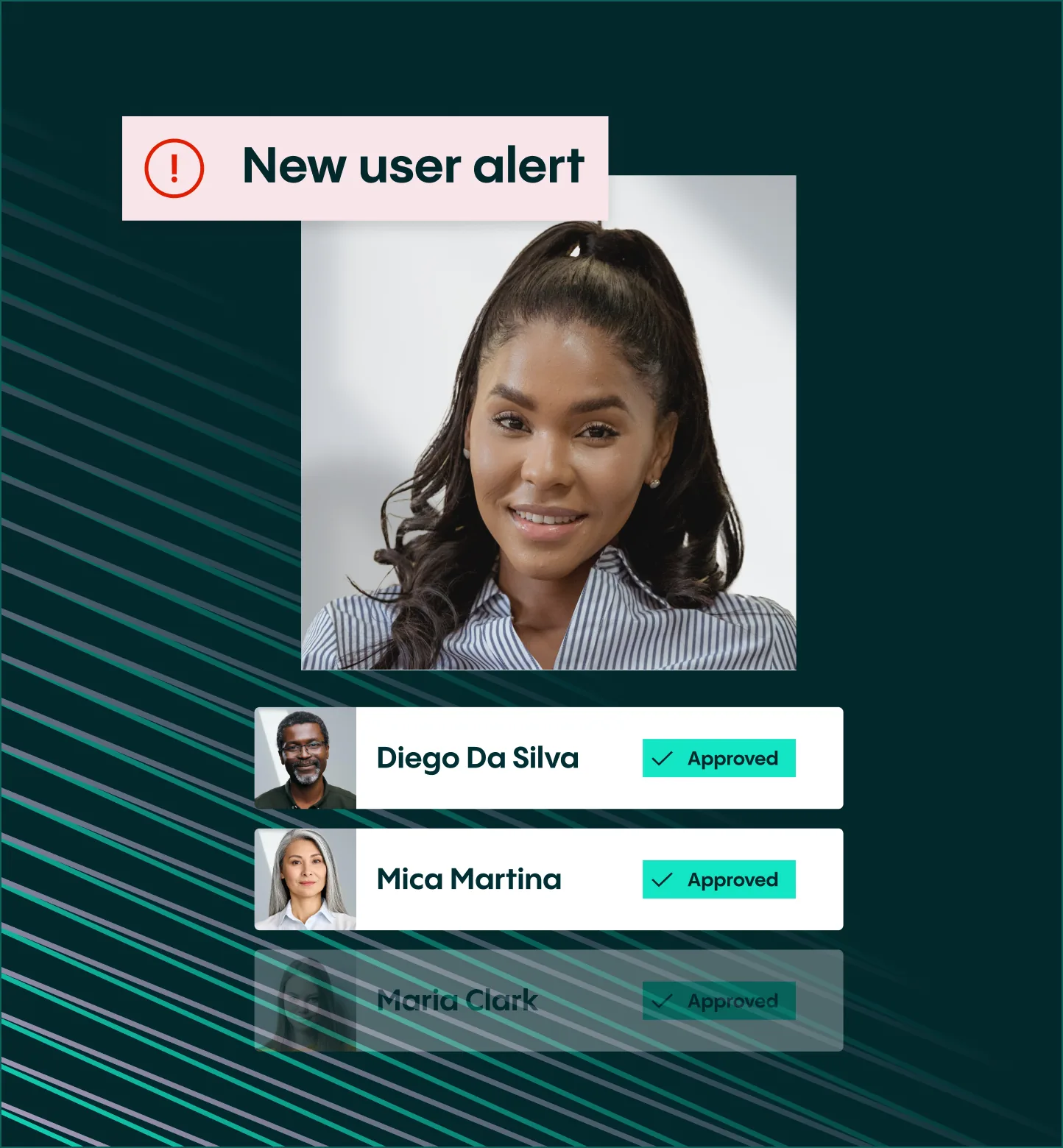
Our IDV solution verifies users at the point of sign-up to your systems, confirming they are genuine. Our cross-linking and risk scores create a powerful network effect from across our customer base that enables you to determine whether a customer is to be trusted. And our Biometric Authentication solution enables you to ensure the returning user is still the genuine owner of the account throughout that account’s lifespan.
We have been seeing deepfakes for a couple of years already in our customers’ sessions. With the recent generative AI boom, we can see more and more of these kinds of sessions coming in, where the images have been generated with AI. We take a multi-layered approach to combating deepfakes and AI-generated media.
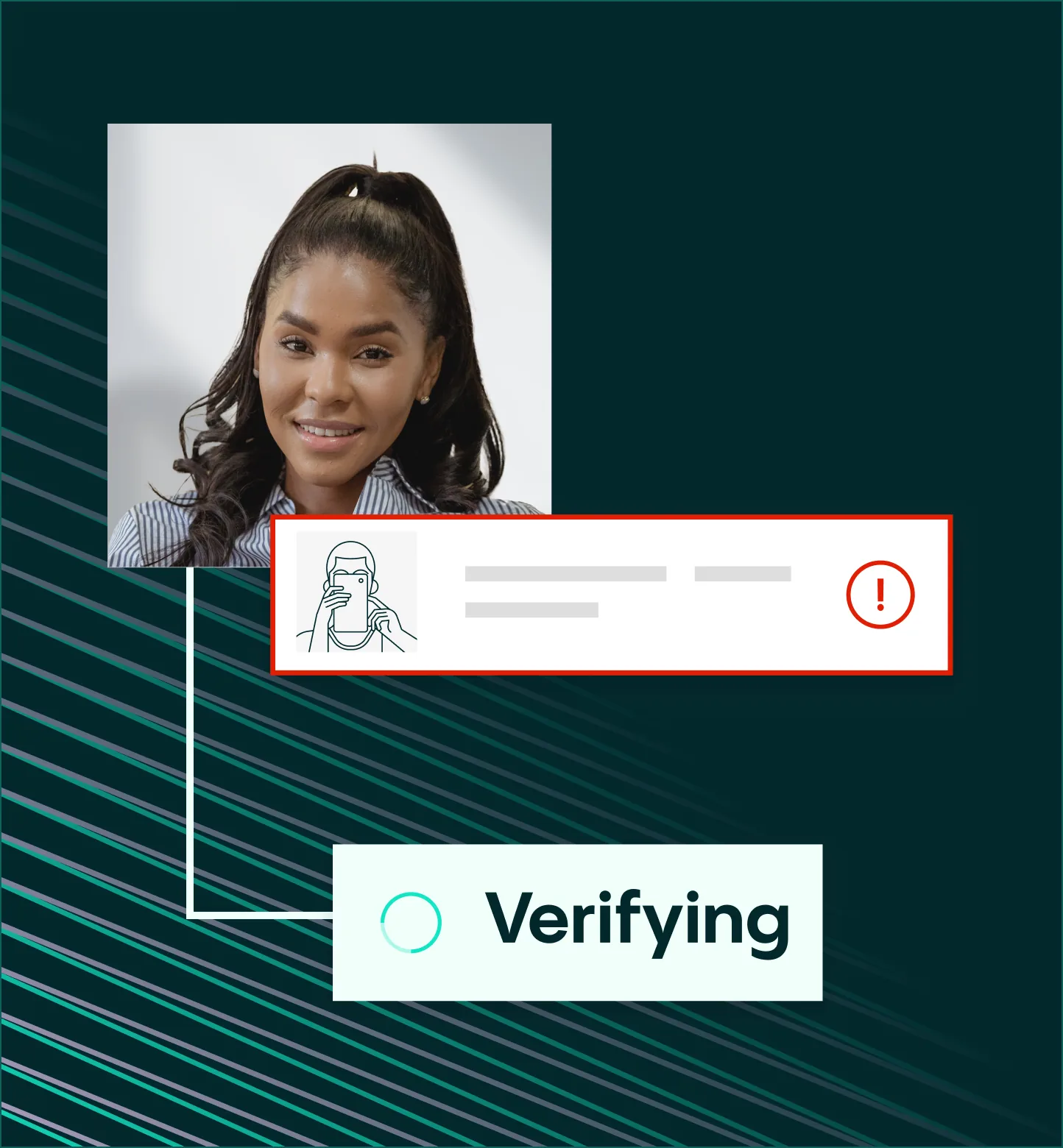
One key strategy is implementing face liveness checks to validate the authenticity of human presence. This involves using algorithms to detect subtle facial movements and responses, ensuring that the individual interacting with our systems is indeed real.
In addition, we employ a variety of checks to validate the legitimacy of documents. This includes leveraging machine learning algorithms to analyze document features and detect anomalies or signs of manipulation, as well as our proprietary document specimen database populated by document experts.
How we do it ⬇️
Our core Document and Identity Verification solution uses advanced AI and is supported by fraud mitigation tools. We deploy machine learning-powered checks, advanced fraud network mitigation strategies, and a team of in-house counter-fraud experts to help protect organizations.
Meanwhile, our Fraud Protect solution helps to identify patterns and deliver actionable insight built on industry expertise, enabling users to approve greater numbers of genuine users and eliminate more fraud. Its elements are:

Which searches for signs of physical or digital data or structural manipulation.
This prevents individuals suspected of fraud from attempting to access your business.
Offers biometric analysis of the user’s selfie image for signs of physical or digital manipulation.
Which collects and analyzes multiple signals from the user’s device and network to identify potential risk.
CrossLinks and RiskScore techniques are something we utilize across our portfolio to build a comprehensive picture of fraud-related danger, including the risks from deepfakes (see below for more detail).
Analyzing the biometric characteristics from a submitted selfie image to ensure that the subject is real and physically present during the verification, as well as checking for signs of manipulation.
DocCheck:
FaceBlock:
FaceCheck:
DeviceCheck:
CrossLinks and RiskScore:
FaceCheck Liveness:
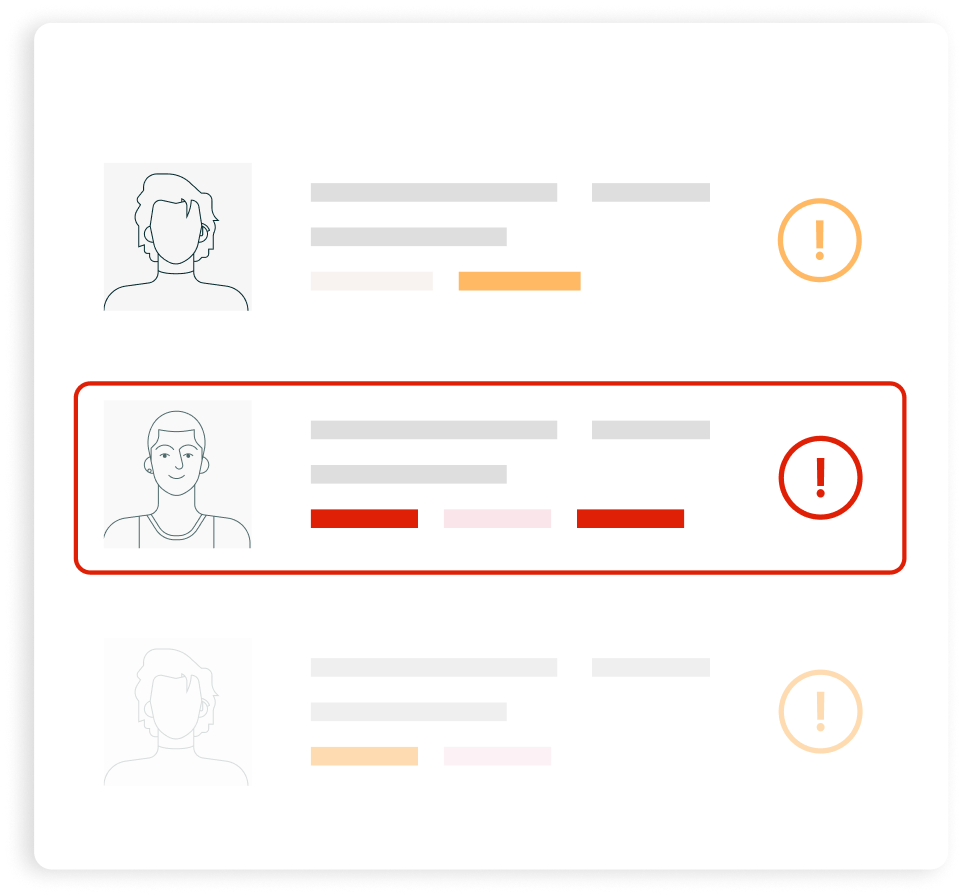

Similarly, our CrossLinks approach - where we are crosslinking multiple pieces of information to derive new insights and fraudulent patterns that are not detectable when analyzing a single session in isolation - means we can group together verifications with similar data points, helping us to identify fraudsters who might use multiple fake identities on different occasions across our network.
This capability has deepened and expanded. We have long been capable of identifying a document that shows up on multiple occasions with the same customer, or the same biometrics, IP address, or device characteristics.
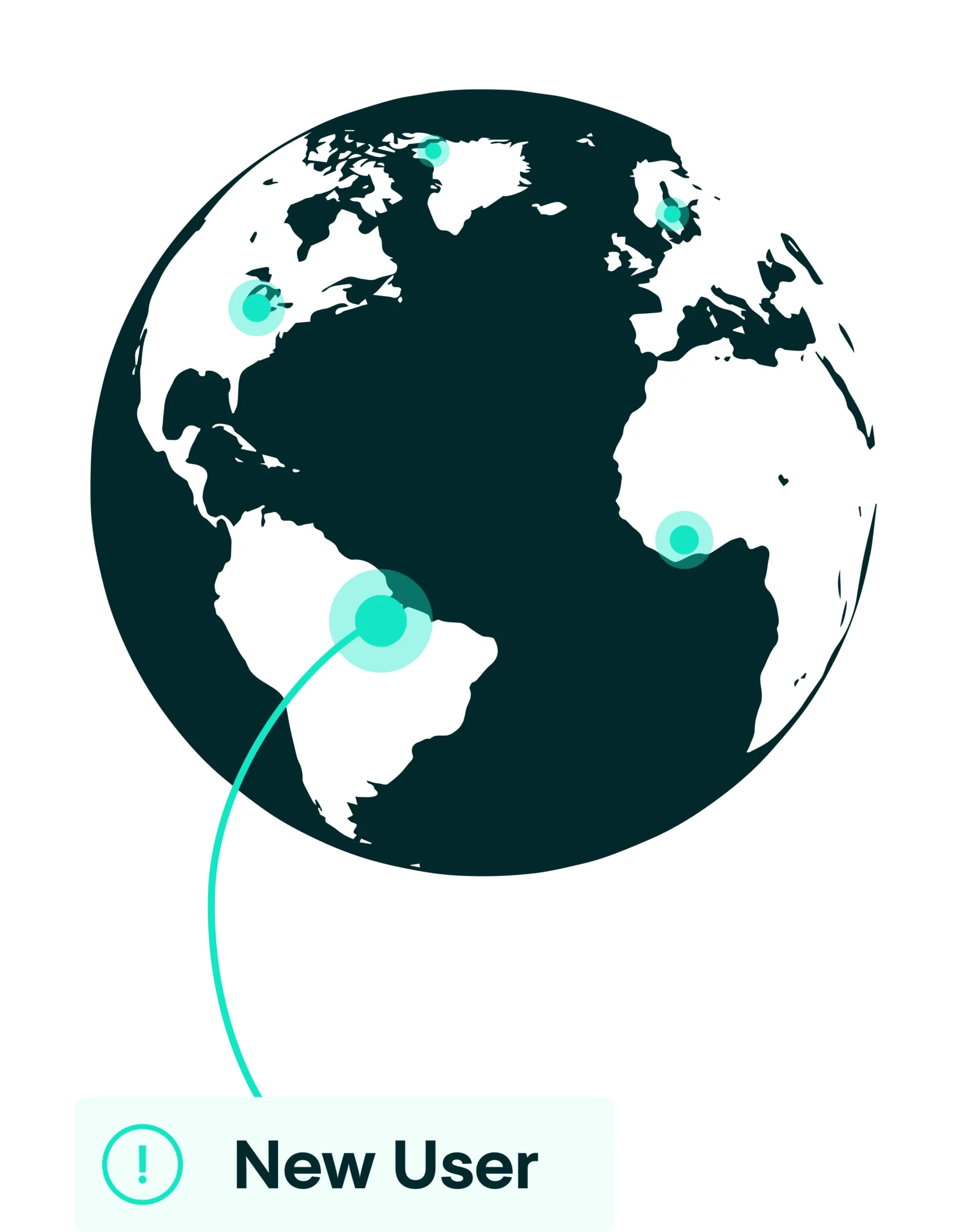
With Industry CrossLinks, we can look cross-customer, within the same industry vertical - for example, looking to see if the same fraudster has been working across our financial services customers - and the fact we work globally means we can spot evolving trends that a customer working on their own would never be aware of. All of this can happen without any personally identifiable information being shared across customers.
This is effective because fraudsters will always try to reuse their tools and tactics across multiple organizations. Even as they turn to machine learning, AI, and deepfakes, they will reuse credentials, templates, and faces. Our Industry CrossLinks capability stops them in their tracks.
CrossLinks in action:
learn more
We have plenty of resources available for you to learn more about fraud, and how to protect your business.
Visit our dedicated Fraud Education Center here

Learn more about the threat of AI and deepfakes here
Discover the cost of fraud with our interactive RoI calculator here
Explore our fraud-prevention solutions here

Veriff is the preferred identity verification and authentication partner for the world’s biggest and best digital companies, including pioneers in fintech, crypto, gaming, and the mobility sectors. We provide advanced technology, deep insights, and expertise from our foundation in digital-first Estonia and honed in leading the digital identity revolution. The partner of choice for businesses who need to rapidly and effortlessly verify online users from anywhere in the world, Veriff delivers the broadest possible identity document coverage.
By supporting government-issued IDs from more than 230 issuing countries and territories and with our intelligent decision engine, which analyzes thousands of technological and behavioral variables, Veriff enables trust from the first hello.

Speak to one of our fraud experts today to discover how we can create customizable fraud protection for your business.